Local detail
What It Costs
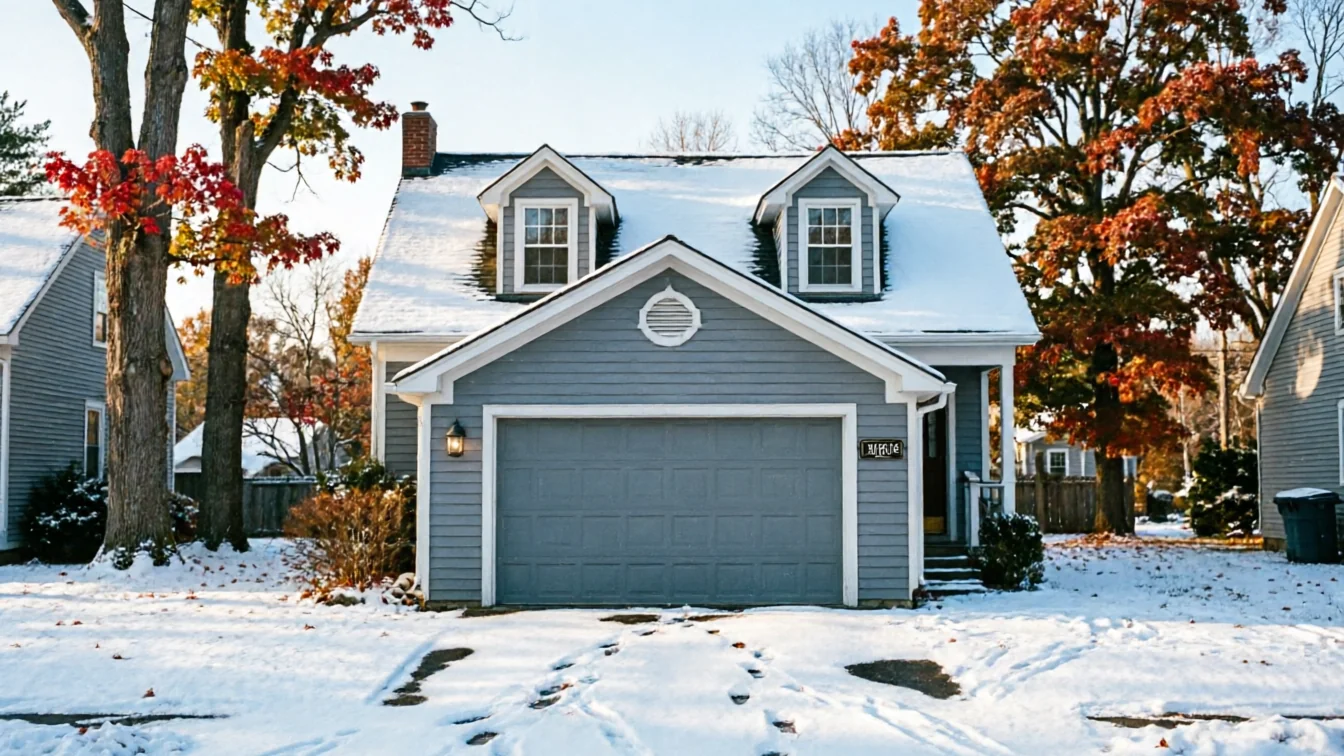
We can't give you a number without looking at the door, and we're not going to invent one here. What we can tell you is what drives the cost up or down in this area. A lot of Attleboro houses date from 1938 to 1994, with the bulk of that stock from the 1960s and '70s. Openers installed in that era, or replaced once since, usually don't have a battery backup built in - that feature only became common in newer units. Adding backup to an older opener, or swapping the whole unit for one that has it, costs more than a simple chain-drive replacement with no backup at all.
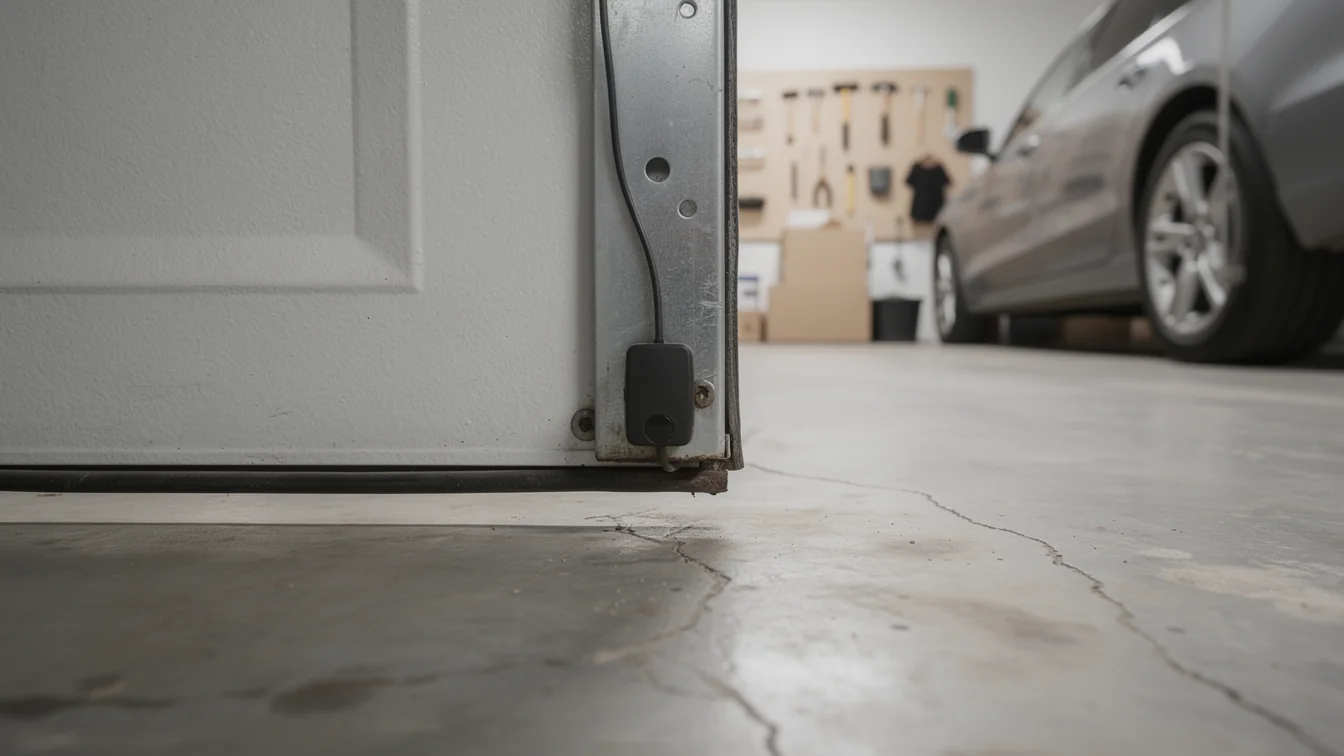
The other cost driver is the track and hardware behind the opener. If the opener quits during a cold-weather power cut and someone forces the door on the manual release without knowing how the counterbalance works, you can bend a track or snap a cable in the process. That turns a one-part job into a multi-part one. We'd rather walk you through the manual release over the phone first than have you guess at it in the driveway.
The area
The Problem
Attleboro sits in a cold climate zone with severe winter conditions, and that's the backdrop for almost every opener call we get. Openers in the 1960s-70s housing that makes up most of this area's stock were built for a mild load - chain or belt drive, a motor rated for average household use, nothing designed around hours without grid power. When a winter storm knocks out electricity, the opener goes dead along with everything else in the house, and the door is now a manual object again whether anyone planned for that or not.
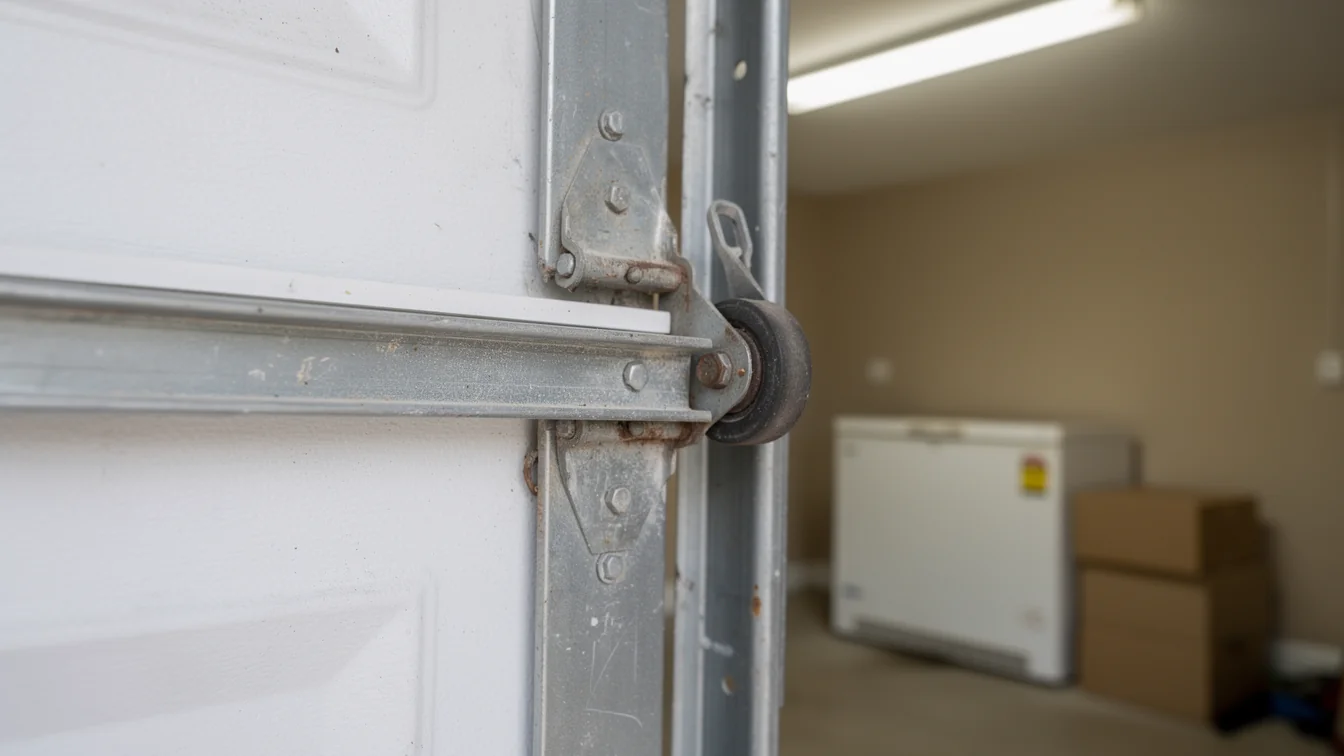
The second half of the problem is age. A door and opener system installed when a house went up in, say, 1968 has had over fifty years to accumulate wear on rollers, hinges, and the opener's drive mechanism. Cold makes every one of those parts stiffer and slower to respond, so a power cut exposes weaknesses that might not show up on a mild day with the power on.
What we find
Leaving It Alone
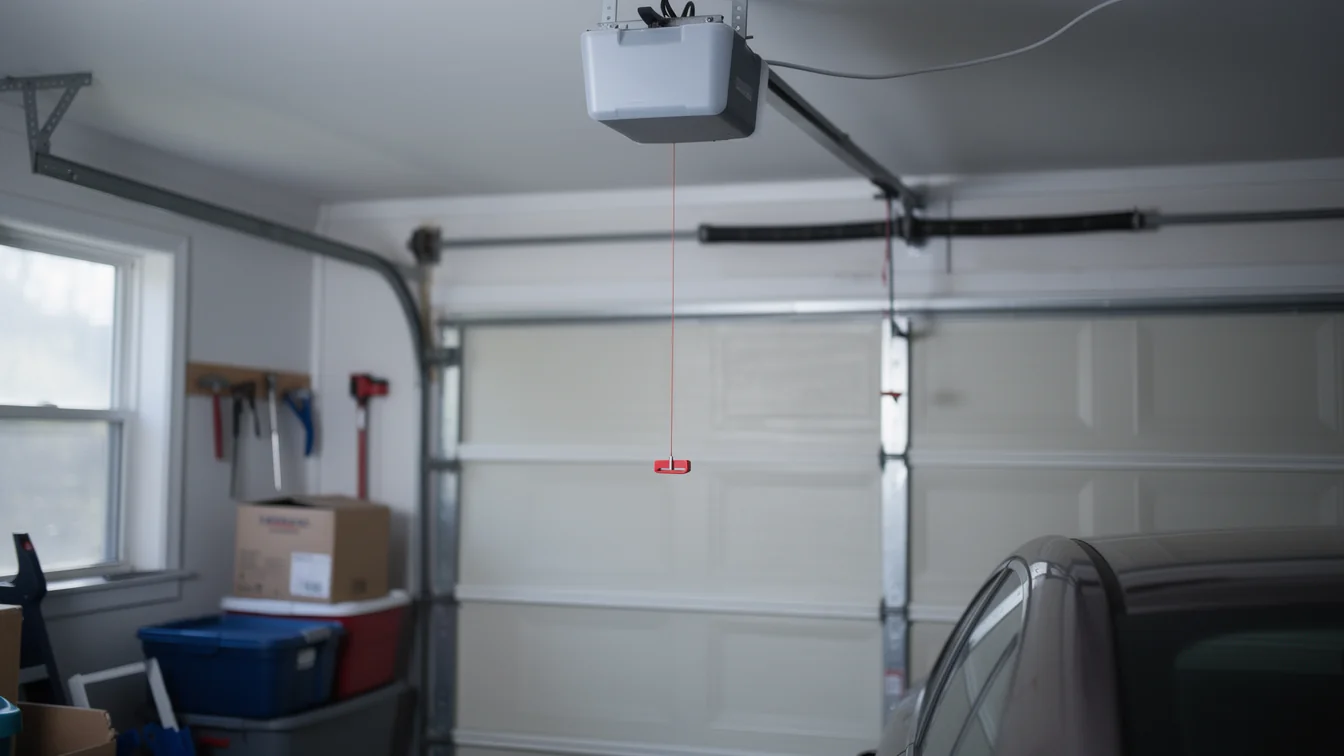
If you ignore a dead opener after a power cut and just leave the door shut until the lights come back on, that's usually fine for a day. The trouble starts when people try to force it. The manual release disconnects the trolley from the opener carriage, but it doesn't disconnect the springs - those are still under full tension and still doing the lifting. Pull on a door that's frozen or iced at the bottom seal, on an older torsion or extension setup from the 1960s-70s era, and you can strip a cable or rack up a track that was already worn.
The other quiet cost of leaving it alone is that it keeps happening. If your opener has no battery backup, every storm that cuts power for more than a few hours puts you back in the same spot - stuck door, cold garage, maybe a car you can't get out for work. That's not a one-time inconvenience in a severe-cold area, it's a recurring one until the opener itself changes.
How we work
What Local Conditions Do
Severe cold does specific, physical things to a garage door system, and Attleboro gets enough of it each winter for this to matter. Steel contracts, so panel seams and track alignment that were fine in August can bind in January. Grease that lubricates rollers and the opener's drive screw thickens in the cold, which makes the motor work harder and draws down backup batteries faster if you have them. None of that is particular to any one brand of door - it's physics acting on the housing stock this area actually has, most of it put up between 1938 and 1994.
Power cuts compound it. A storm that drops a tree limb on a line doesn't just stop your opener - it stops it at the exact moment cold has already made the mechanical parts stiffer and less forgiving of being forced by hand. That combination, not either factor alone, is what generates most of the calls we get after a winter storm.
Talk to a local pro
Garage door trouble in Attleboro?
Same-day service with honest, upfront quotes.