Local detail
What It Costs
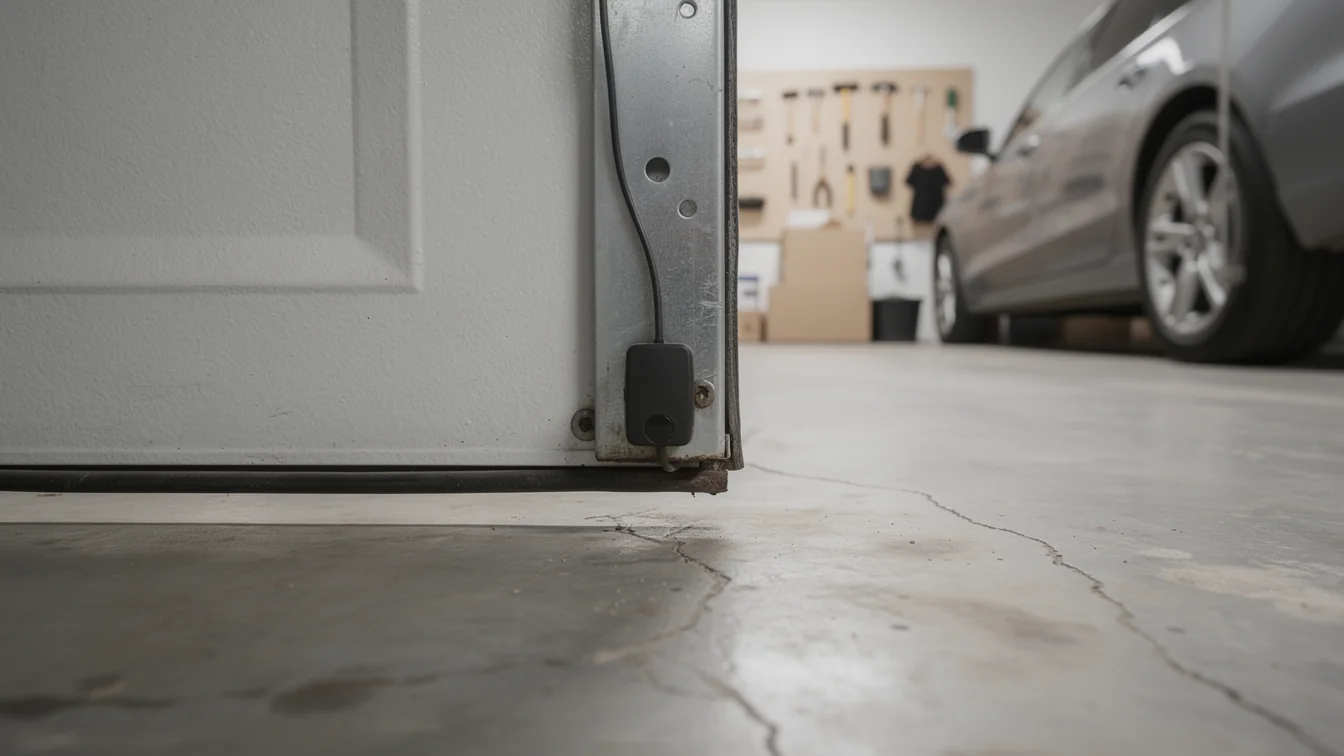
Most sensor calls aren't a parts replacement, they're a realignment and a check of the bracket that holds the sensor to the track or the slab. We can't quote a flat number without seeing whether the bracket is bent, the eye lens is fogged, or the wiring has corroded at a splice - those are three different jobs in the same visit. Attleboro's median household income runs $121,458, and we see plenty of homeowners who'd rather pay for a short service call to realign a sensor than replace a whole opener that's otherwise working fine. That's usually the right call. Where it isn't is when the bracket itself has rusted through or the mounting point in the concrete has crumbled - at that point you're paying for a new bracket and anchor anyway, and patching the old one just means we're back in six months. We'll tell you straight which one you're looking at before we touch anything.
One limit worth naming: if the opener is old enough that the sensor wiring is proprietary to a model nobody stocks anymore, we may need to wait on a part rather than finish same-day.
The area
The Problem
Attleboro's housing stock mostly went up between 1938 and 1994, with the bulk of it clustering in the 1960s and 70s across the neighborhoods we work in. Garage slabs from that era weren't poured with today's expansion joints, and over fifty-plus years they settle unevenly. Safety sensors sit six inches off the floor on brackets fastened to the track or the door frame, which means they're mounted to the part of the structure most likely to have shifted since the house was built. A quarter-inch of slab movement doesn't bend the bracket, but it's enough to tip the beam a few degrees off the receiving eye, and that's all it takes for the door to refuse to close or reverse for no visible reason. This isn't a sensor failing. It's a forty- or sixty-year-old slab and a bracket that was level when Nixon was in office. On a newer build you'd rarely see this; on the housing stock that actually exists here, it's one of the most common calls we get.
What we find
Leaving It Alone
A misaligned sensor doesn't just mean an inconvenient beep - it means the door's reversing safety feature isn't reliable, and that's the one system in the garage that exists specifically to stop a door from closing on a car, a pet, or a kid. Some homeowners work around it by holding the wall button down to force the door shut, which defeats the sensor's entire purpose and isn't something we'll do for you or recommend you do yourself. Left alone through a few more freeze-thaw cycles, a slightly tipped sensor tends to get worse, not better, as the slab keeps settling. We won't bypass or disable a sensor as a repair - if the fix is alignment, we align it; if the bracket's shot, we replace it. There isn't a version of this job where the honest answer is to wire around the safety feature so the door closes faster.
How we work
What Local Conditions Do
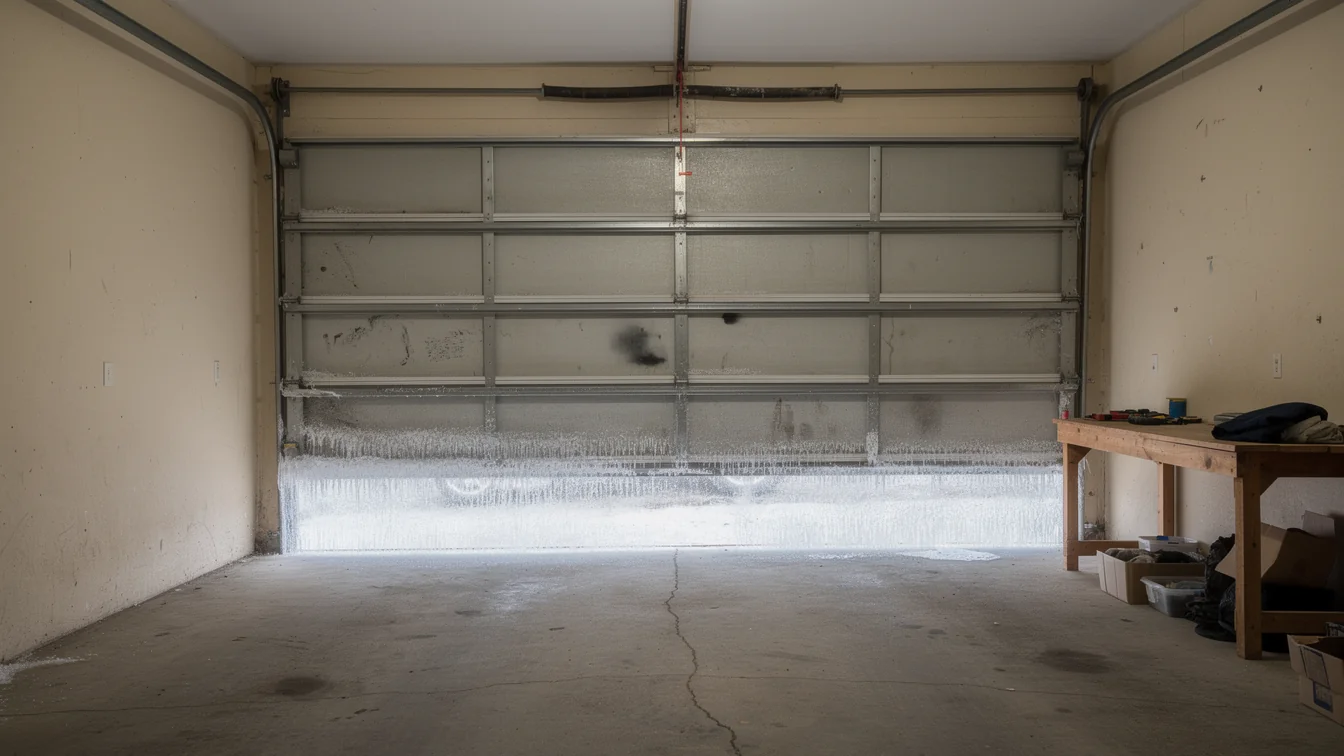
Attleboro sits in a cold-severe climate band, and that matters for sensors more than people expect. Freeze-thaw cycles move concrete slabs a little every winter, and a bracket that was dead-on in October can be a few degrees off by February. Cold also makes the metal bracket itself contract, which on an older, already-loosened mount is sometimes enough to shift the angle on its own, no slab movement required. That's why we see sensor calls spike seasonally here rather than spread evenly through the year - it's not random, it's the same slab-and-bracket cycle repeating every winter on housing stock that's been through fifty or more of these cycles already. If your door worked fine all summer and started acting up with the first hard frost, that's the pattern, not a coincidence.
Talk to a local pro
Garage door trouble in Attleboro?
Same-day service with honest, upfront quotes.