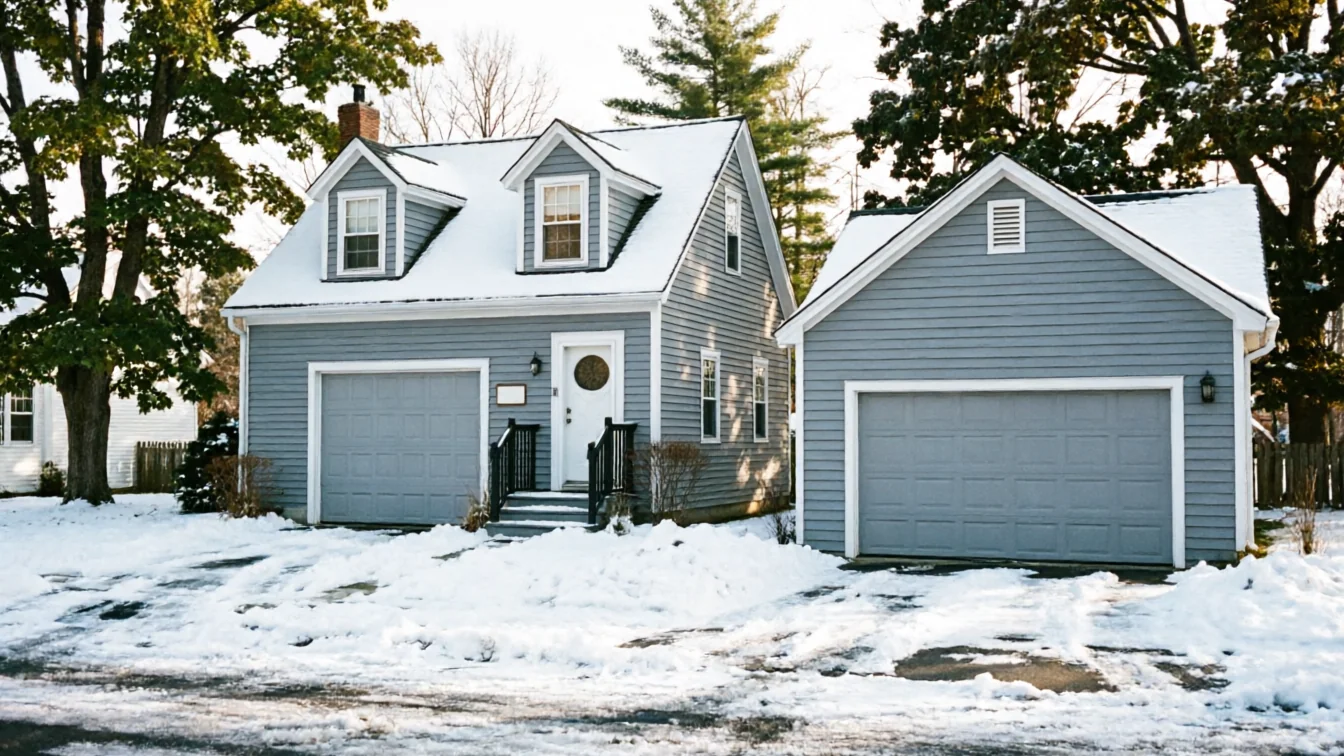
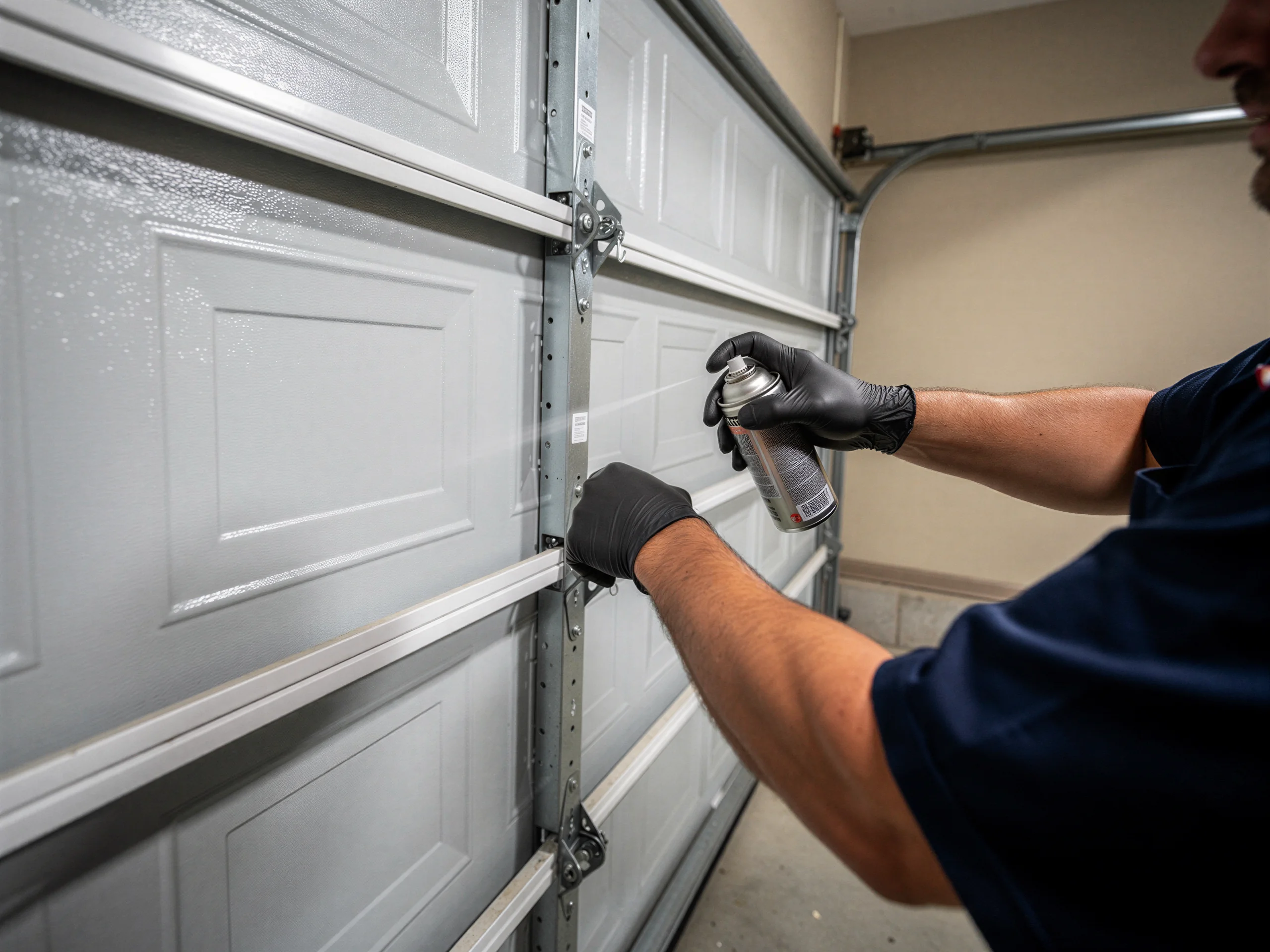
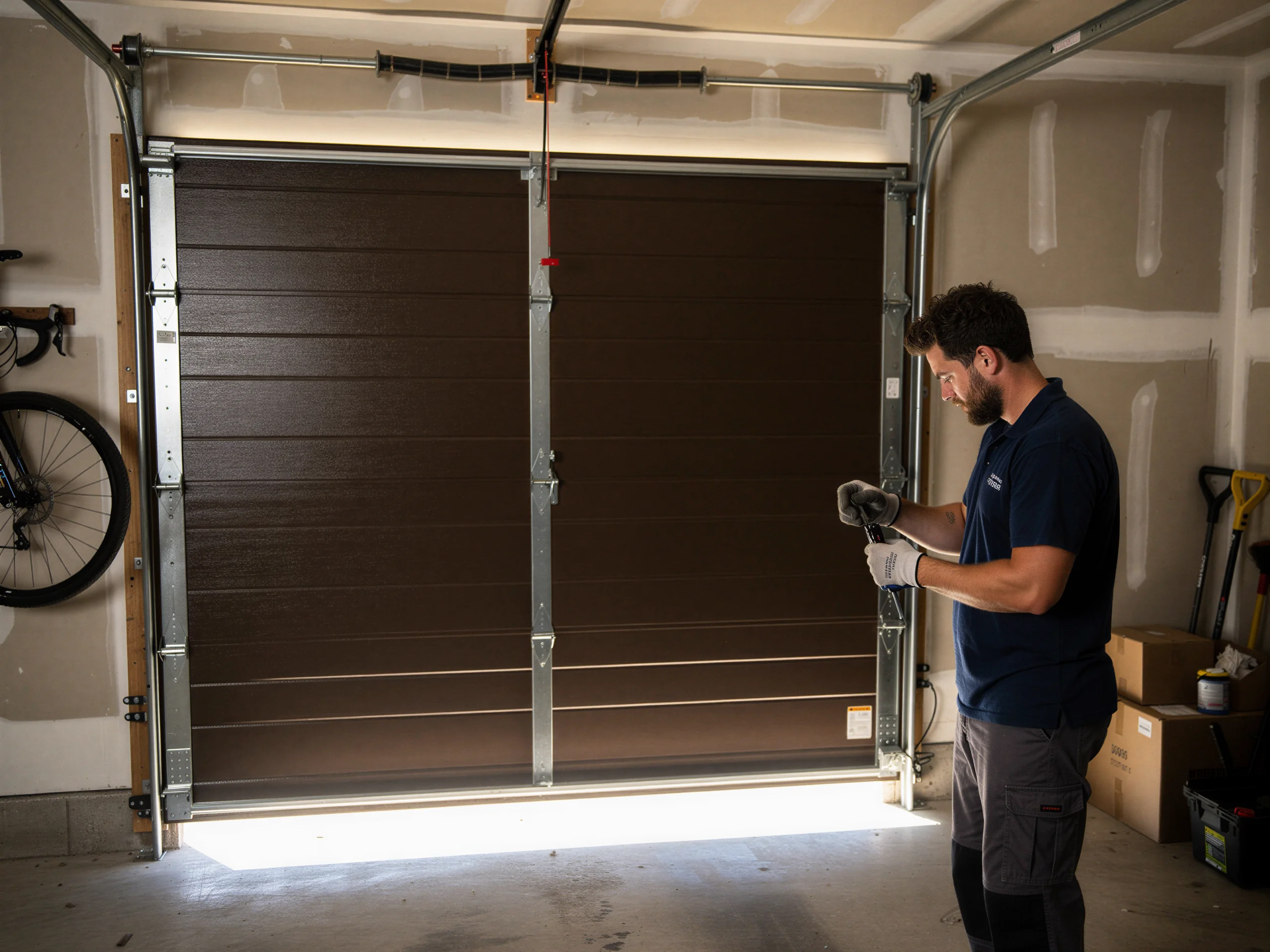
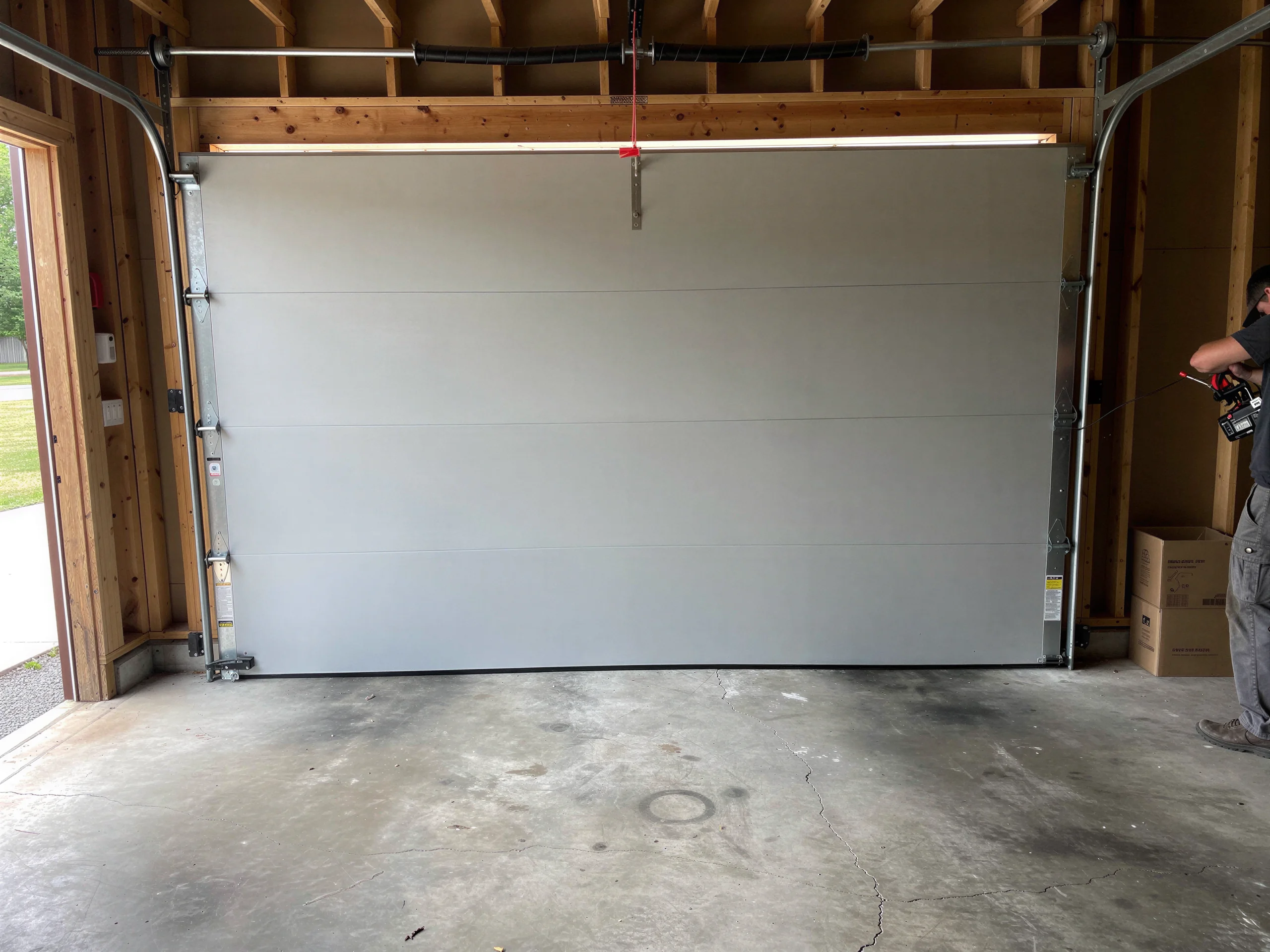
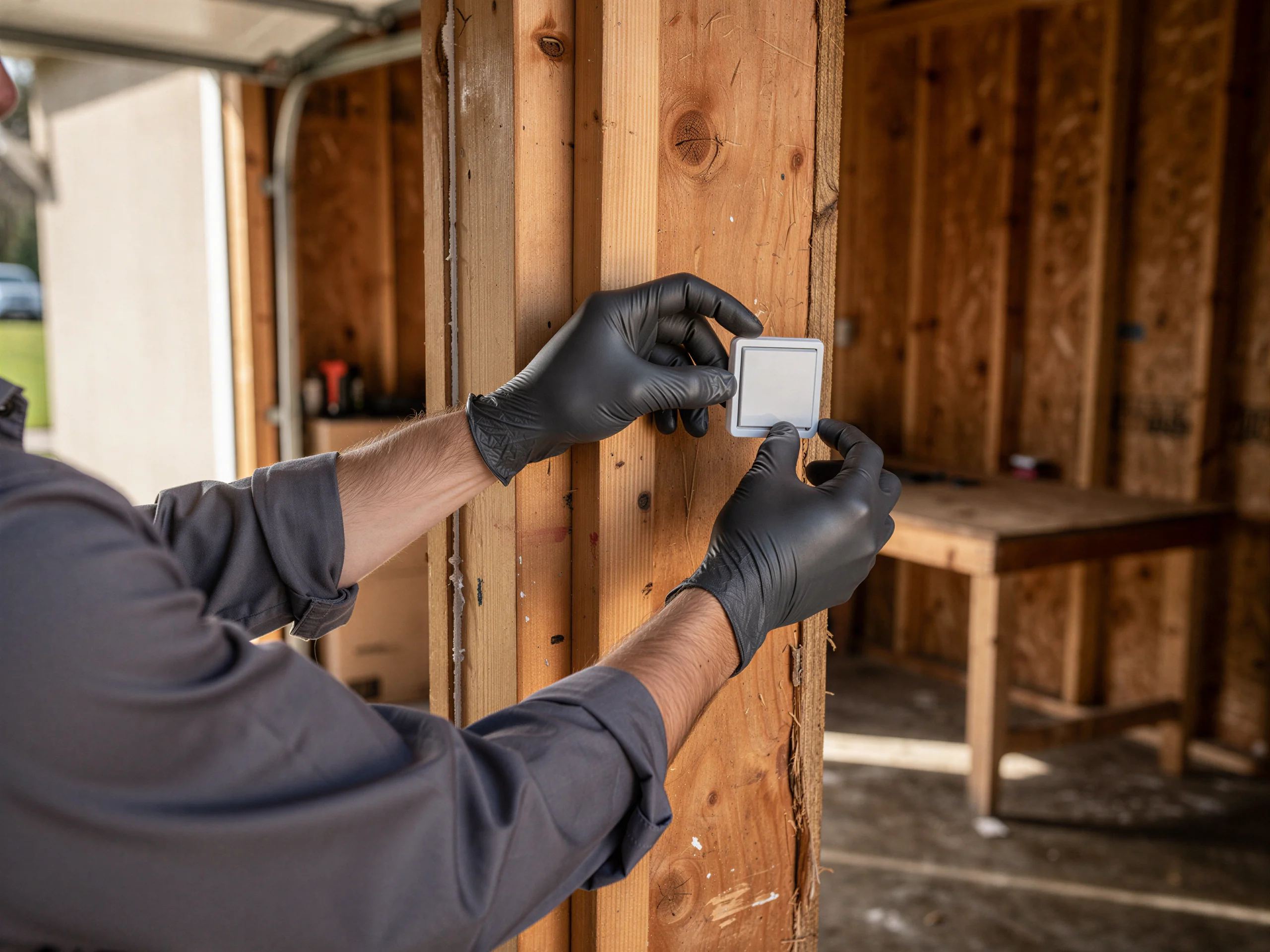
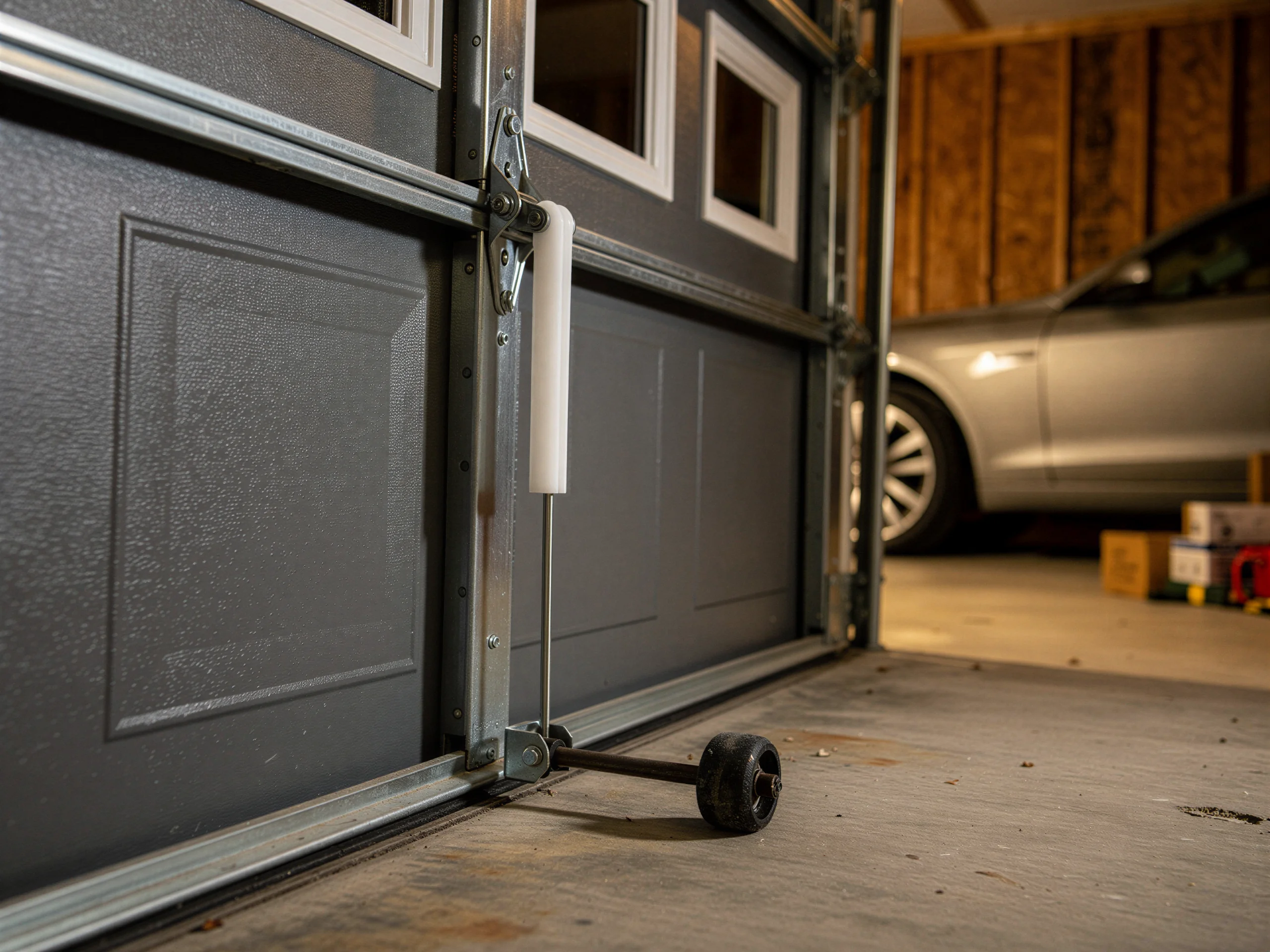
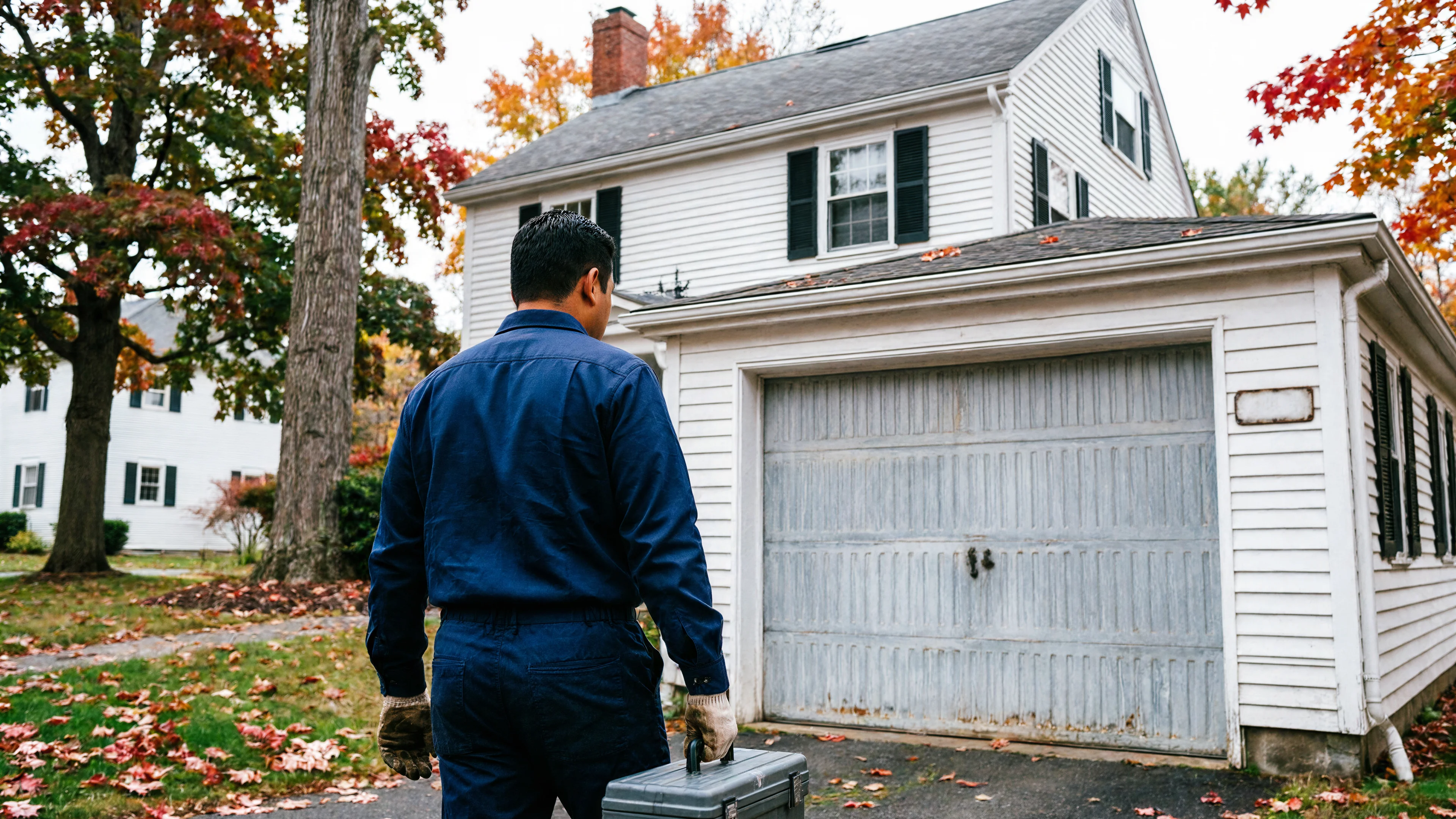
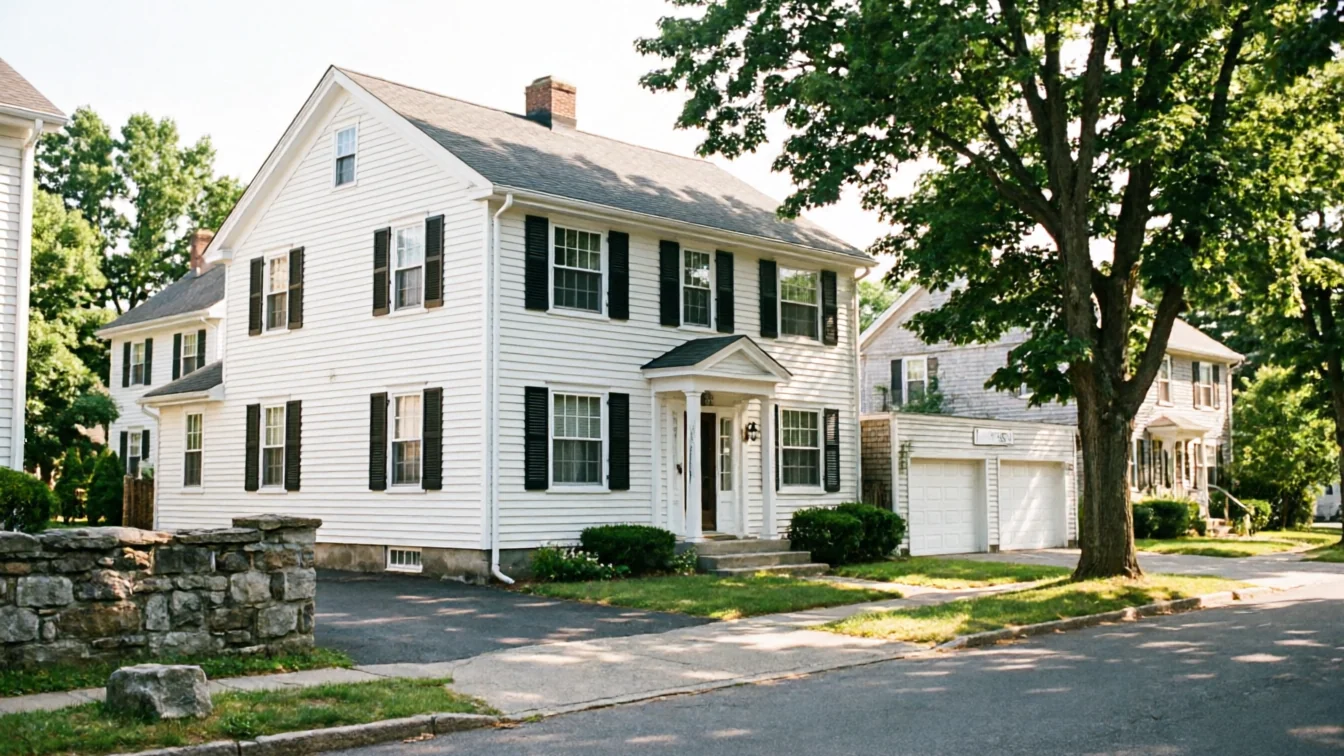
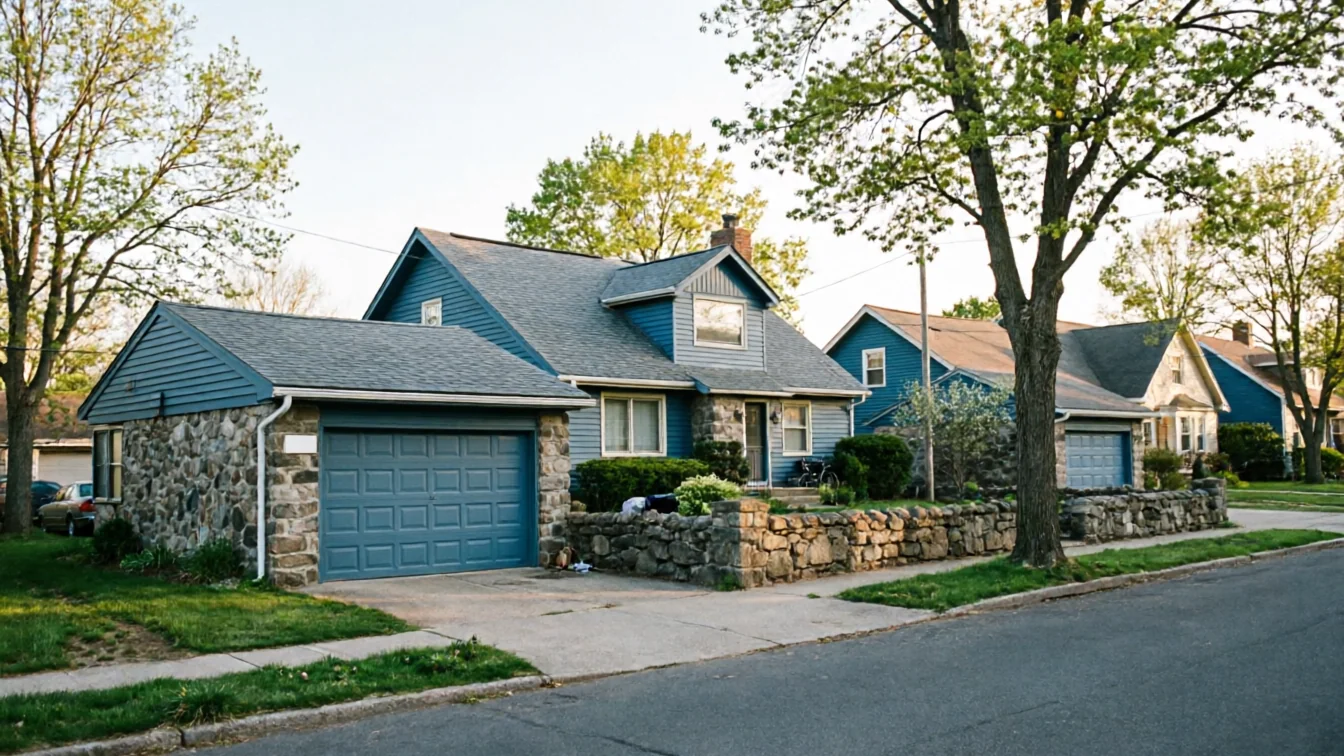
North Seekonk's houses mostly went up around 1960, which puts this pocket ahead of the broader service area's median build year of 1975. That matters more than it sounds like it should. A door and opener installed in 1960 predates auto-reverse safety sensors, predates the steel gauges used today, and in a lot of cases predates the torsion spring sizing charts manufacturers use now. When we're called to a house here, we're often looking at original hardware that's outlasted its expected life by decades, not a unit that failed early.
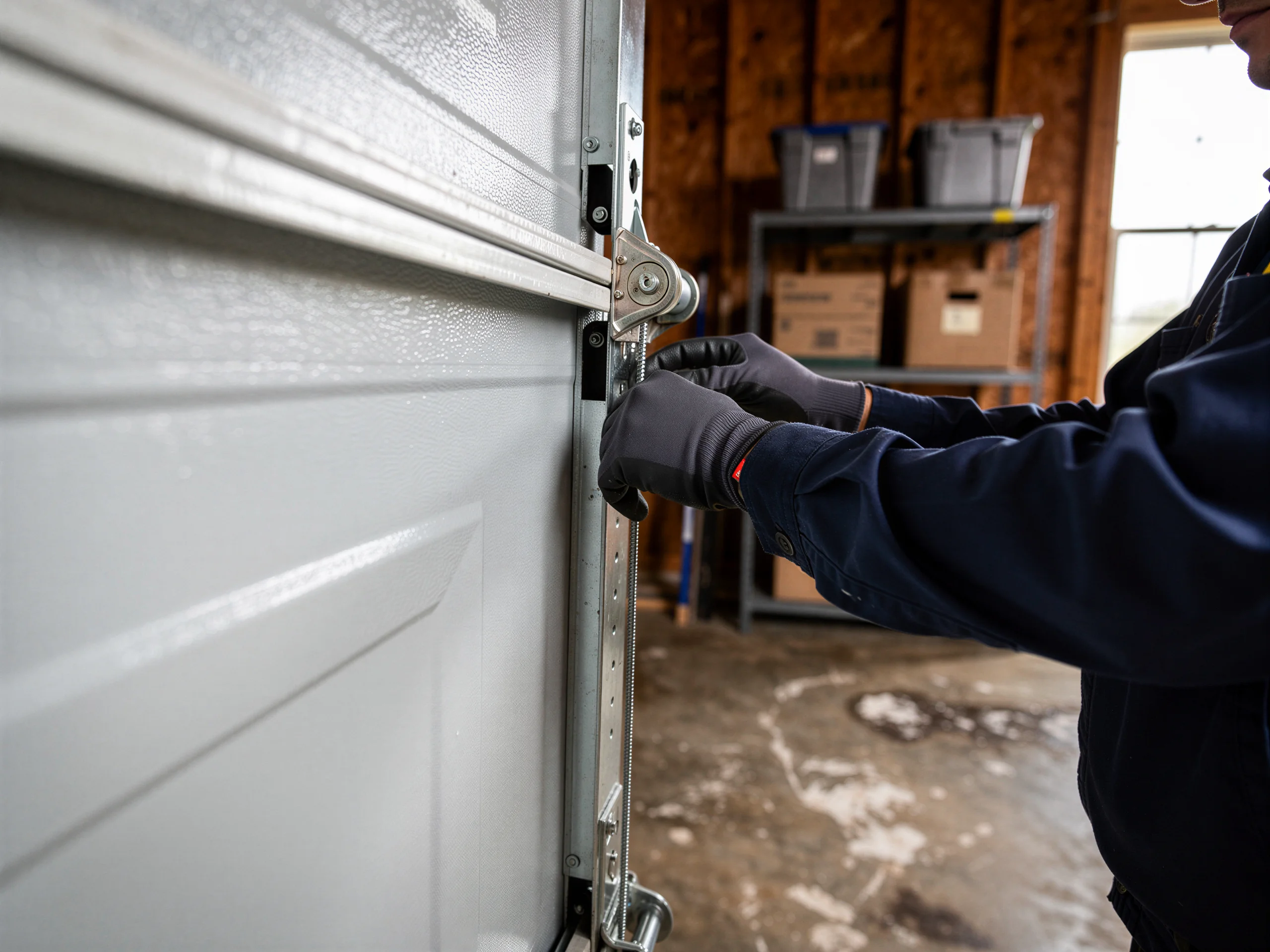
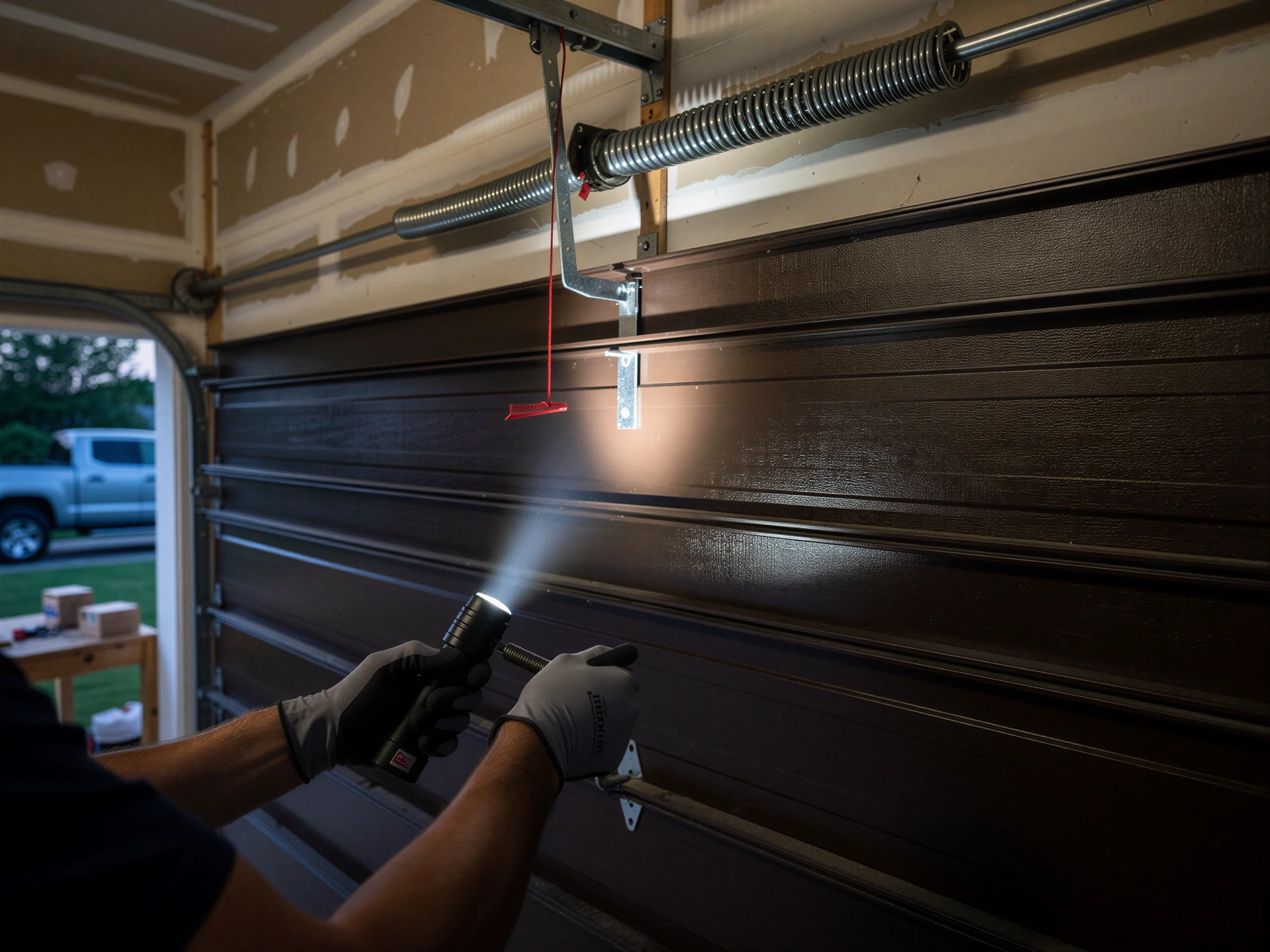
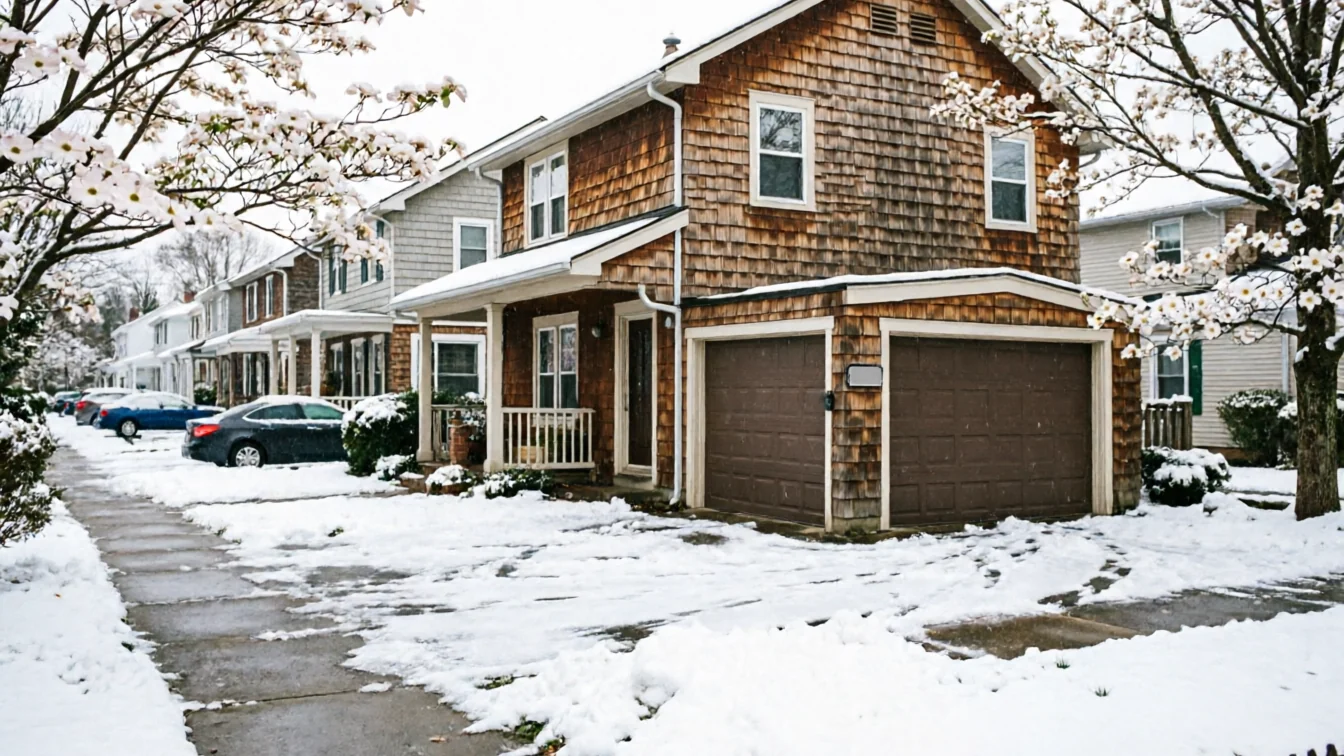
The region sits in a climate zone the federal data classes as cold and severe, and that interacts badly with old steel. Springs lose temper faster in repeated hard-cold cycles, and non-insulated panels from that era flex more than insulated steel does, which stresses hinges and rollers over time. None of that means replacement is always the answer - plenty of 1960s doors are structurally fine and just need a spring, cable, or roller job. But it does mean we come in expecting to see original parts, not assuming a newer retrofit.