
Attleboro, MA
Garage Door Repair for Attleboro's Older Housing Stock
Garage door repair for Attleboro homes built mostly between 1938 and 1994, where cold winters and original hardware combine to wear out springs and openers early.
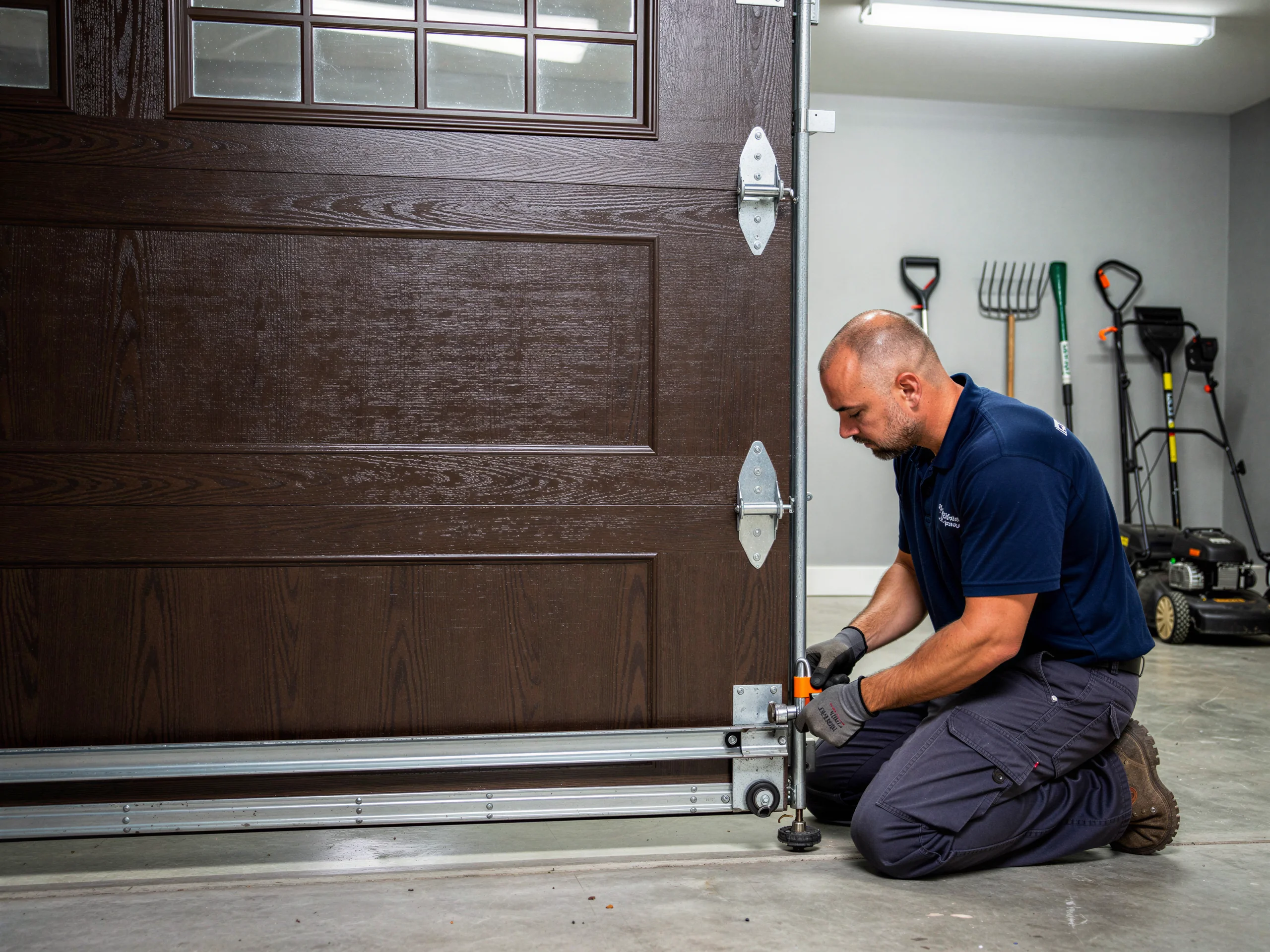
What It Costs
We don't post a flat number here because what a repair runs depends on what's actually broken and what's on the door now. A torsion spring job on a standard double door is a different call than swapping a opener that's seized up or chasing a bent track back to a bad roller.
Housing age inflates price
What we can tell you is what drives the price up in this area: a lot of Attleboro's housing dates from 1938 to 1994, with the bulk of it going up in the 1960s and 70s across the 41 named neighborhoods and villages in this service area.
Parts for older generations
That means older torsion and extension spring setups, original drums, and in some cases openers that predate the safety-reversal standards from the 1990s. Parts for that generation aren't always on the truck - sometimes we're ordering a specific drum or a longer spring than what's stocked for newer doors, and that adds a day or two.
Ordering parts before quoting
We'll always tell you up front if a part needs to be ordered rather than quote a number we can't back up. If your door and opener are both original to a house built in that 1960s-70s window, expect the conversation to include whether a repair is worth it versus replacing the whole unit.
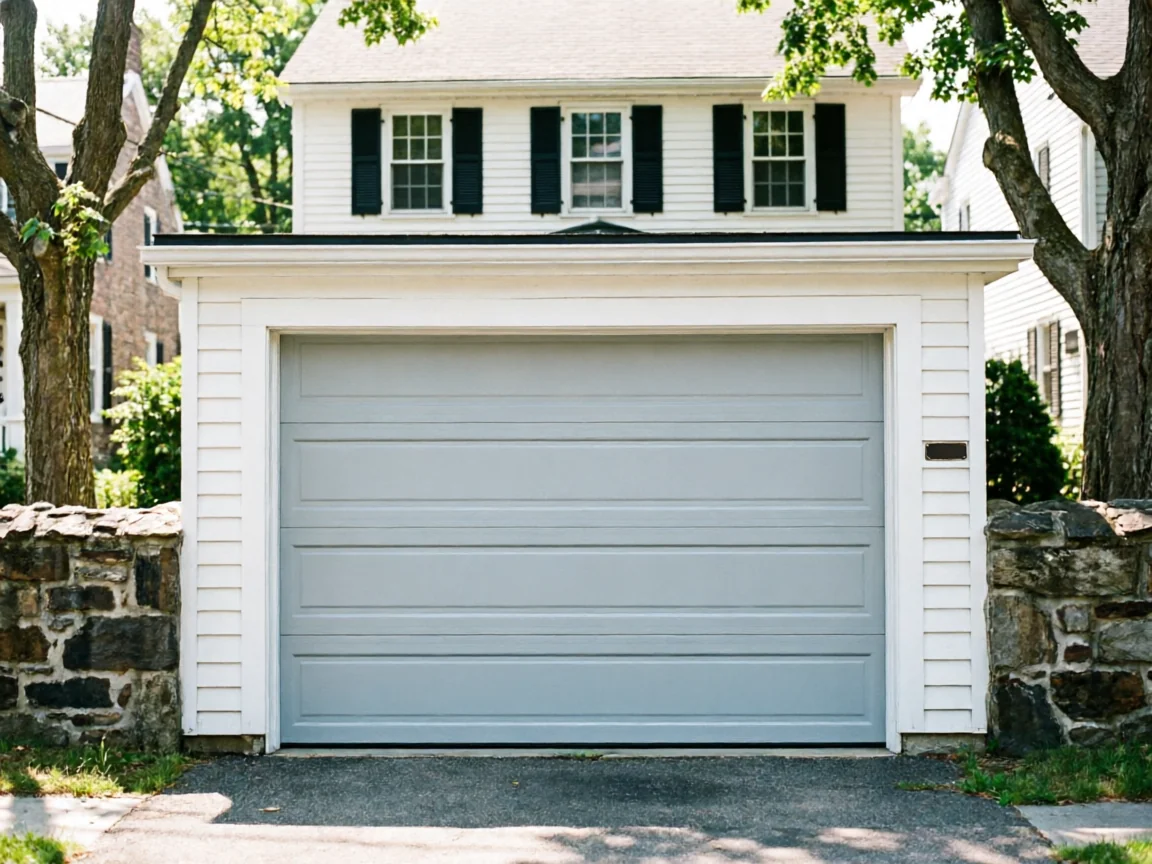
How It Shows Up
The call usually starts the same way: the door won't go up, or it goes up and then drops, or the opener runs but the door doesn't move.
Springs give out first
On original hardware from the 1960s and 70s, the spring is often the first thing to go, especially after a stretch of real cold - and this area sits in a cold, severe climate band, so winter is when we see the volume spike.
Gradual loss of tension
A spring that's been cycling for decades loses tension gradually, then one morning it just doesn't have enough left to lift the door against a cold, stiff track. Other times it's a cable that's frayed off a worn drum, or a roller that's cracked and binding in a track that was never replaced since the house was built.
Sudden overnight failures
None of these show up gradually in a way you'd notice day to day - they show up as a door that worked fine yesterday and won't move today.
What Can Go Wrong
The main risk with older torsion and extension spring setups is that they fail suddenly and under load. A spring that lets go while the door is partway up can drop the door hard, and a frayed cable under tension can snap.
Missing extension safety cable
On a lot of the original installs from the 1938-1994 era we see in Attleboro, there's no safety cable running through the extension springs at all - that was added to code well after many of these doors went in.
Openers lacking auto-reverse
We won't run a system like that without flagging it, because it's a real safety gap, not just an inconvenience. Openers from that same stretch are another issue: some predate modern auto-reverse sensors, which matters if there are kids or pets around the garage.
Retiring unsafe parts
We'll tell you plainly when a part is fixable and when the smarter move is retiring it, even if that's not the answer that gets us out the door fastest.
Why This Fails Locally
This isn't a generic wear-and-tear story - it's specific to what's on the ground here. Housing in this service area runs from 1938 to 1994 with a median around 1975, and most of what we work on across the 41 named areas is that 1960s-70s stock: original torsion hardware, side-mount setups, and openers that are one or two generations behind current safety standards. Layer on a cold, severe climate band and you get metal springs and tracks that contract hard in winter, which is exactly when old tension finally gives out. A door built for a 1970s household in a mild-stress climate just wasn't engineered for 50 winters of that kind of cycling. With roughly 100,876 owner-occupied houses among 181,329 households in the area, and a median household income of $121,458, most of our calls are homeowners who've lived with the original door since they bought the house and are now past the point where another patch job makes sense.
Questions
Common questions
Why did my spring break in the middle of winter?
Cold makes steel stiffer and less forgiving, and this area sits in a cold, severe climate band. A spring that's already near the end of its cycle life loses the last bit of give it had, and a cold morning is often what finishes it off. It's rarely the cold alone - it's decades of cycling meeting a harder, stiffer spring on a cold day.
Is my door old enough that repair isn't worth it?
If your house dates to the 1960s or 70s, which is common across this service area, and the opener and spring are both original, we'll look at the whole system before recommending a fix. Sometimes one new spring solves it. Other times the opener, track, and spring are all near the end, and replacing beats patching three things in a row.
Do you carry parts for older torsion springs on the truck?
We stock common sizes, but doors from the 1938-1994 era sometimes use a drum or spring length that isn't standard on newer installs. If that's the case, we'll tell you before we start and give you a realistic sense of how long the part takes to get.
Why doesn't my opener reverse when something's under the door?
Auto-reverse sensors became standard well after a lot of the housing in this area was built in the 1960s and 70s. If your opener predates that, it may not have the safety sensor at all. That's worth knowing if there are kids or pets using the garage.
Explore more
Explore More Services In Attleboro, MA
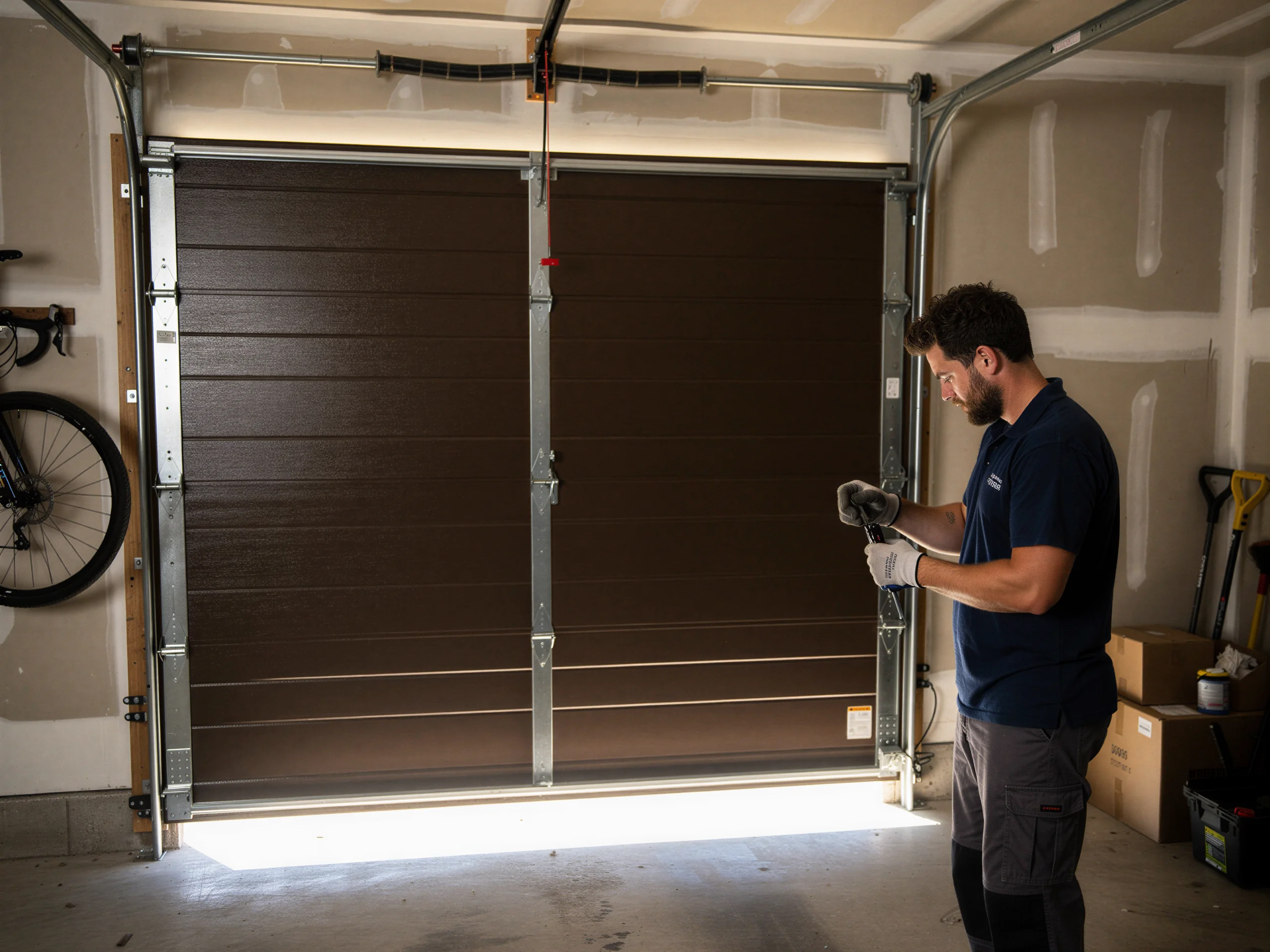
Garage Door Installation for Attleboro Homes
New garage door installation in Attleboro, MA, built around the city's 1938-1994 housing stock and the cold-climate hardware it actually needs to hold up. Learn more →
Garage Door Opener Installation for Attleboro Homes
Opener installs sized for Attleboro's 1938-1994 housing stock and cold-climate winters, from the service area's garage door opener installers. Learn more →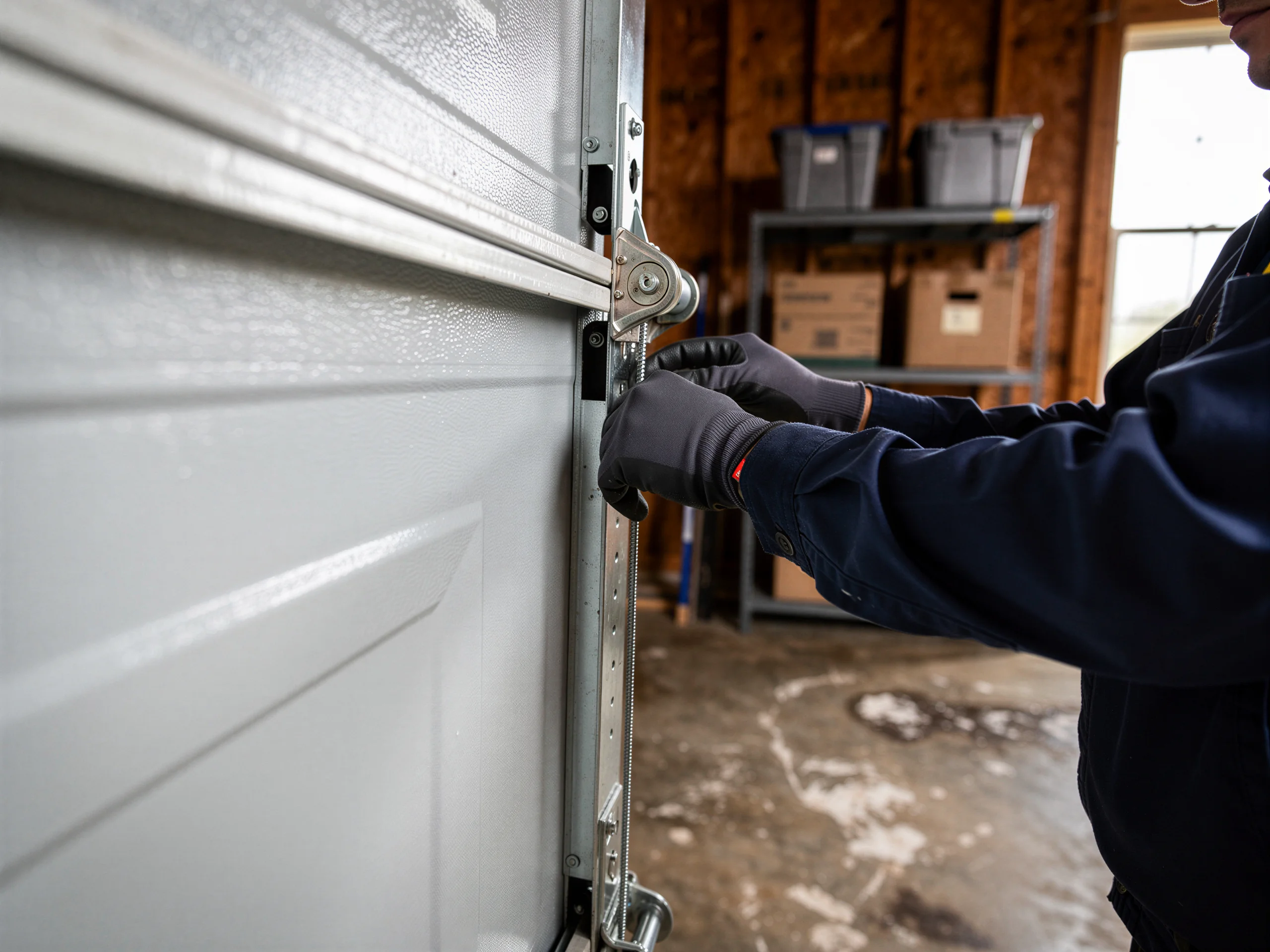
Garage Door Cable Repair for Attleboro Homes
Frayed or snapped garage door cables are common in Attleboro's 1938-1994 housing stock. Learn more →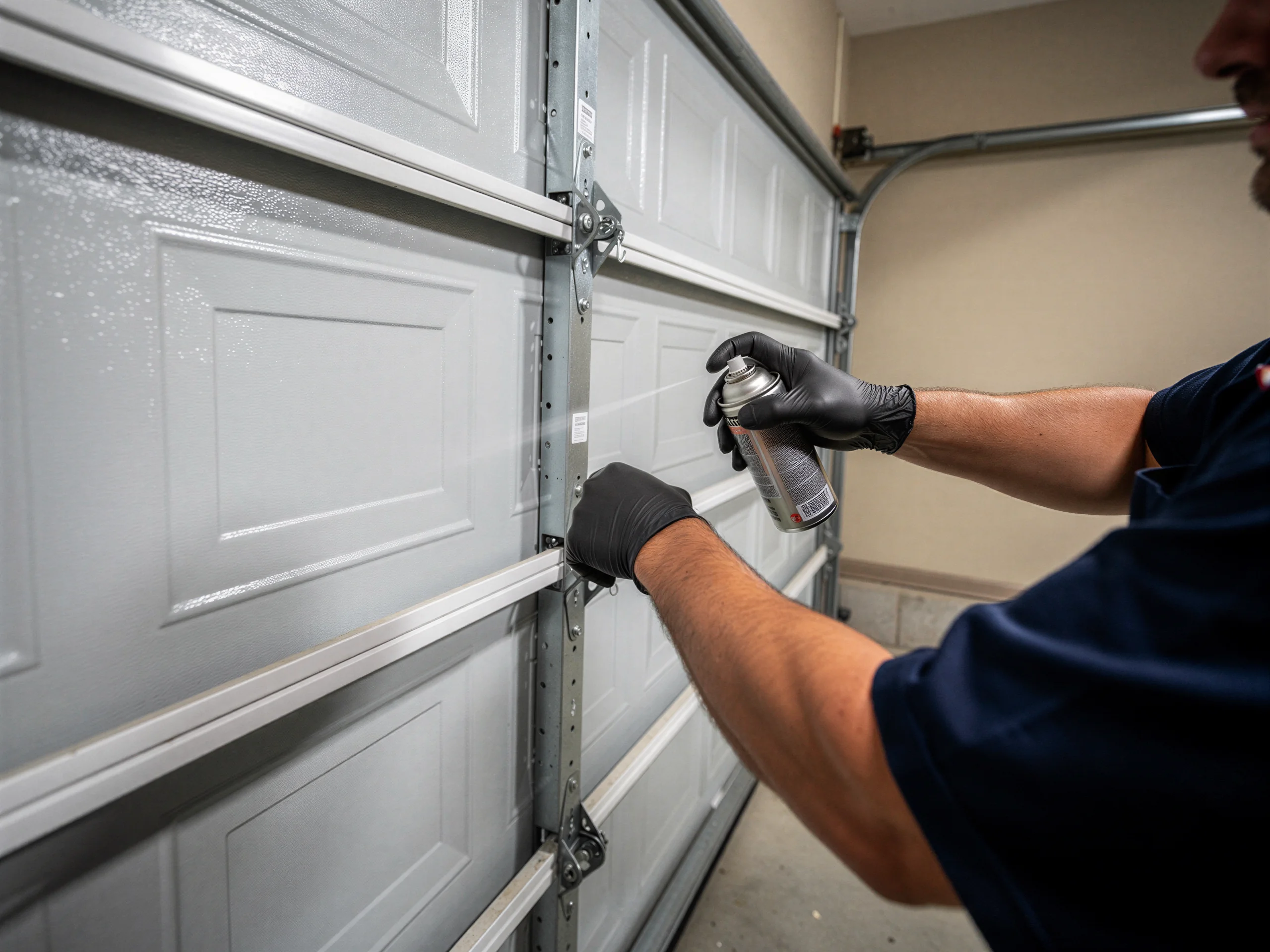
Garage Door Repairs and Tune-Ups for Attleboro Homes
Garage door service in Attleboro, MA, tuned to the area's 1960s-70s housing stock, cold winters, and the springs and openers that wear out fastest here. Learn more →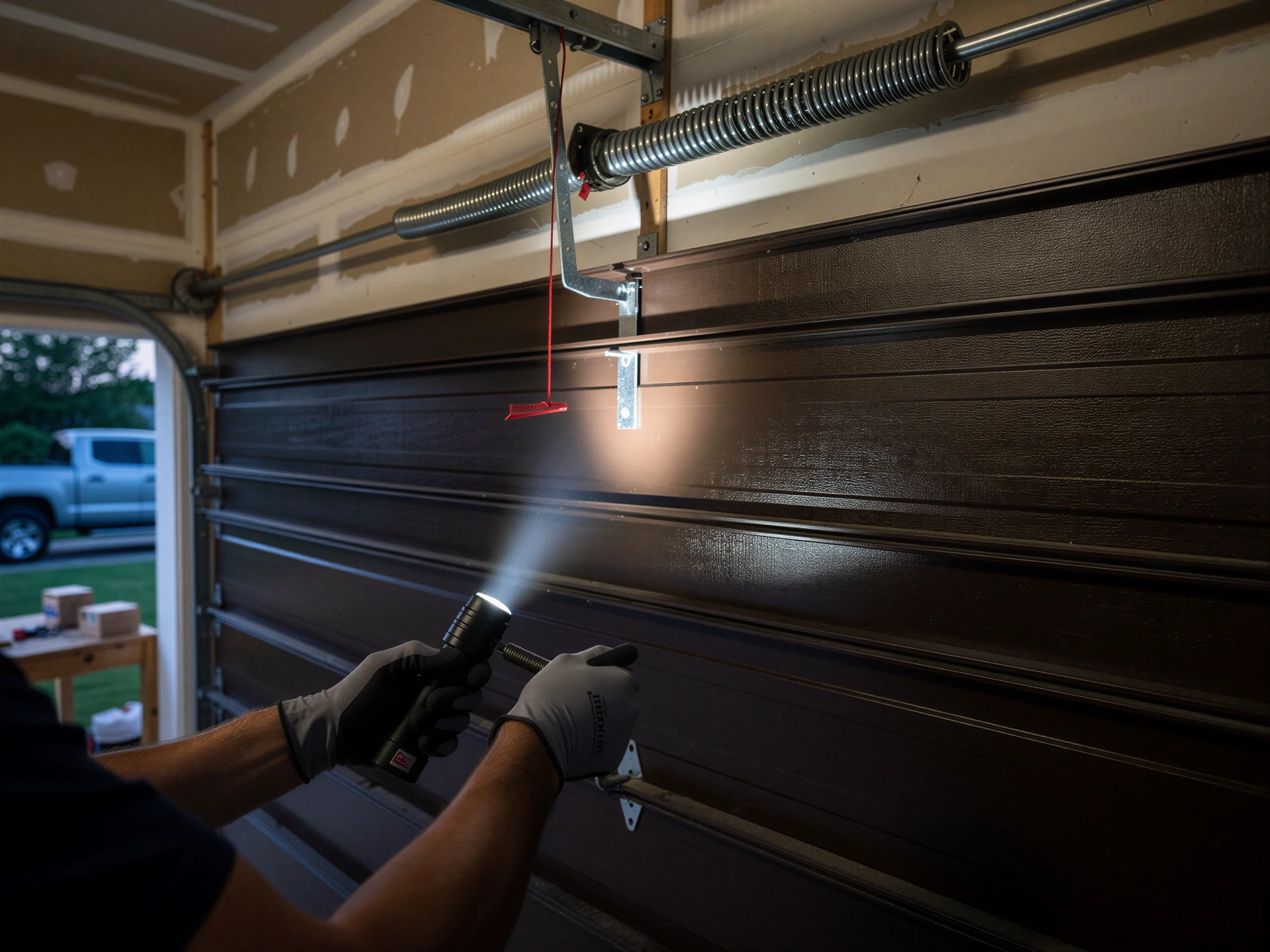
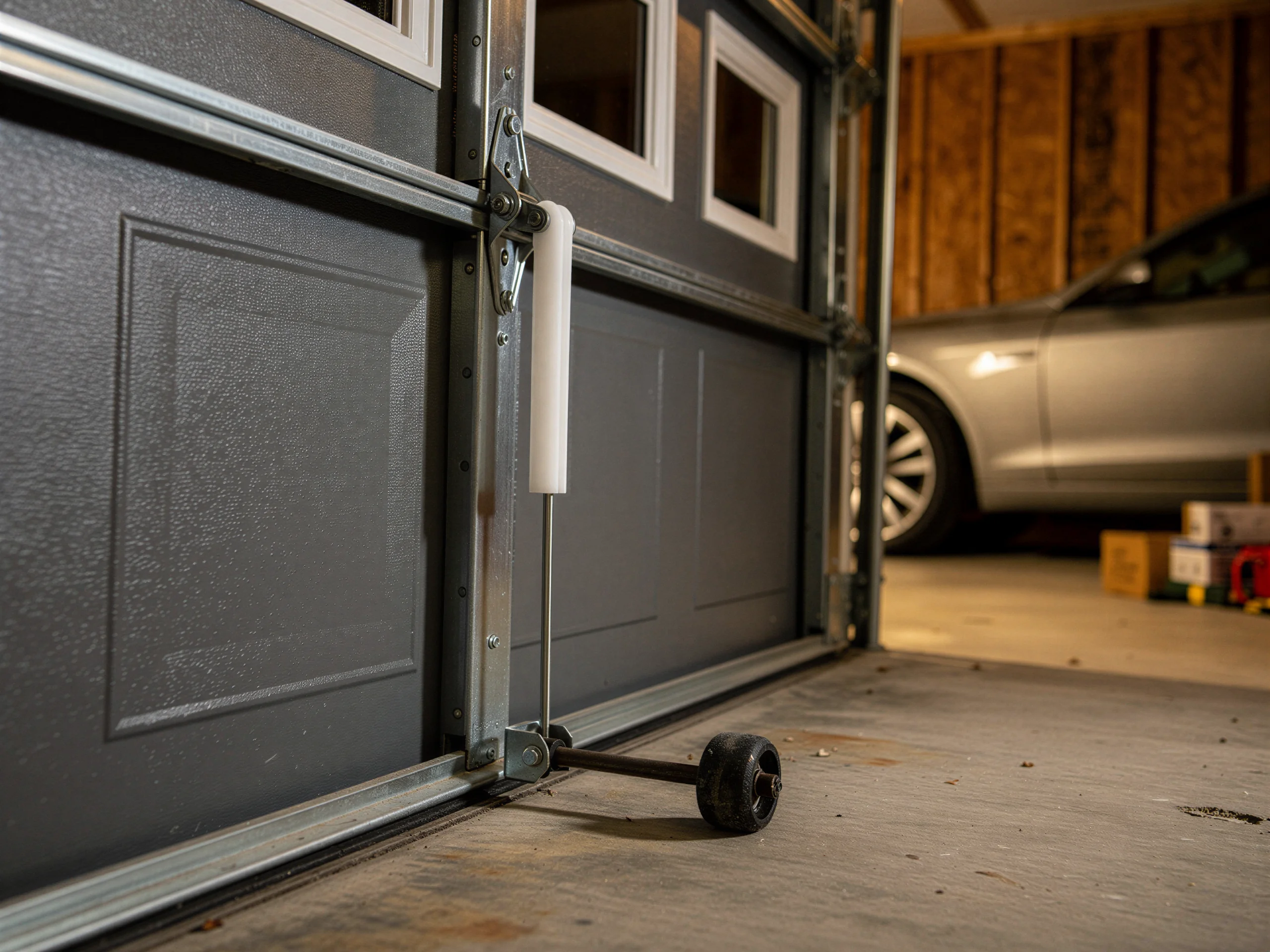
Garage Door Roller Replacement in Attleboro
Worn or broken garage door rollers in Attleboro homes built mostly in the 1960s-70s original steel track. Learn more →Ready when you are
Need a garage door sorted in Attleboro?
Attleboro Garage Door Pros repairs and installs garage doors, springs and openers in Attleboro, MA and the surrounding area.