
Attleboro, MA
Garage Door Off Track: What's Going On and What It Takes to Fix
A door off its track is common in Attleboro's older housing stock and cold winters. Here's what it costs, how it shows up, and why it happens here.
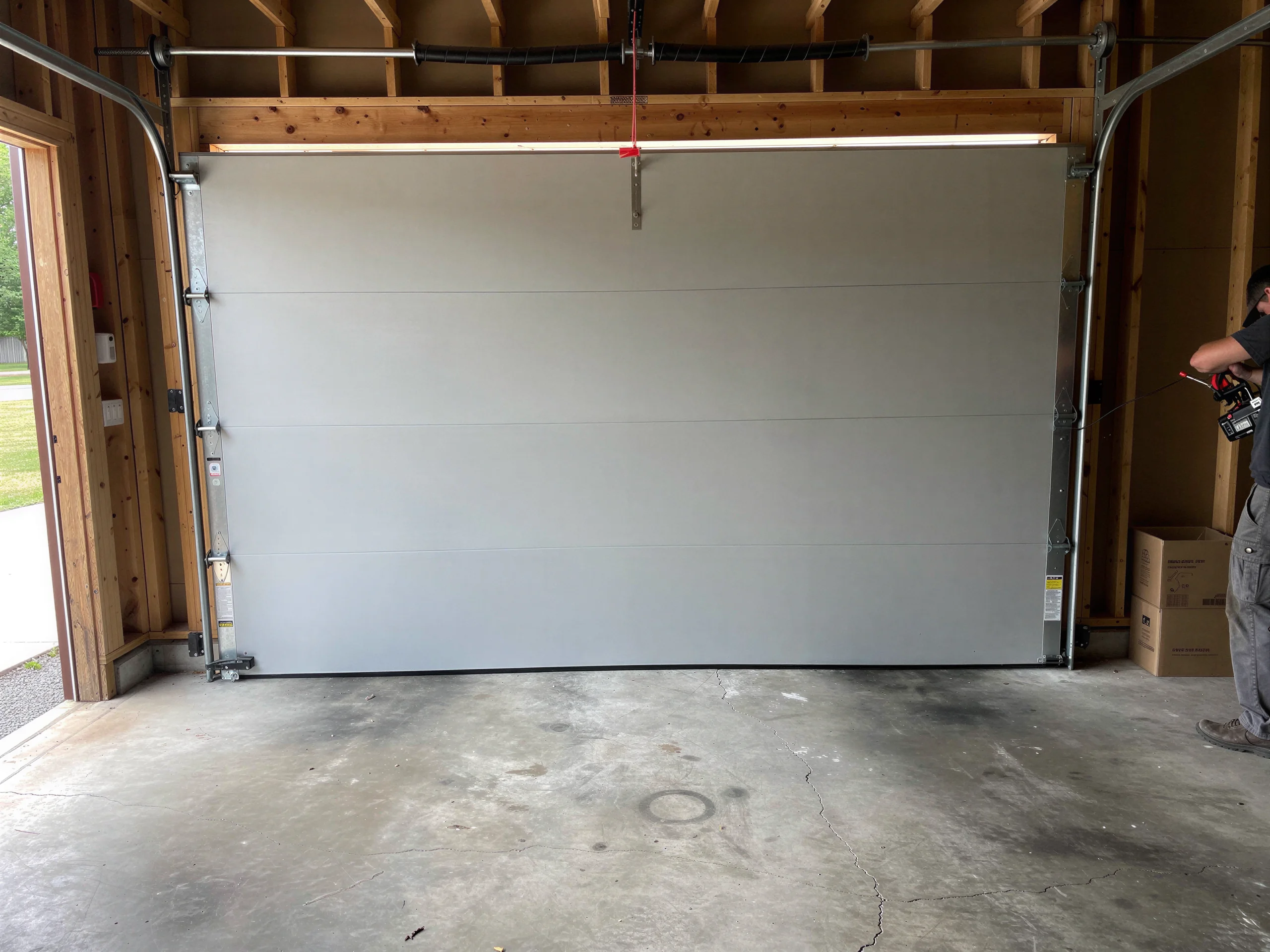
What It Costs
There's no single number for this because "off track" covers a range of causes, and the fix depends on which one you've got. A door that popped a roller out of the track on one side is a different job than a door where the track itself got bent when someone backed into it, and that's different again from a cable that jumped the drum and let the door tilt sideways.
Pricing after inspection
We don't quote a flat price over the phone for this reason - we look at the door, tell you what's bent versus what's just dislodged, and give you the number before we touch anything. What we can tell you is what drives the cost up or down.
Dislodged or bent track
If the rollers and track are intact and the door just jumped the rail, that's typically a short visit. If the track itself is bent or the bracket pulled away from the framing, that hardware has to be replaced and squared, which takes longer and costs more in parts.
Cracked panels cost more
Panels get involved if the door was forced while off track and a section cracked or dented - at that point you're pricing a panel replacement, not a track repair, and for some doors it's cheaper to replace the whole door than source a matching panel. We'll tell you straight if that's where you are instead of running up a repair bill on a door that's not worth saving.
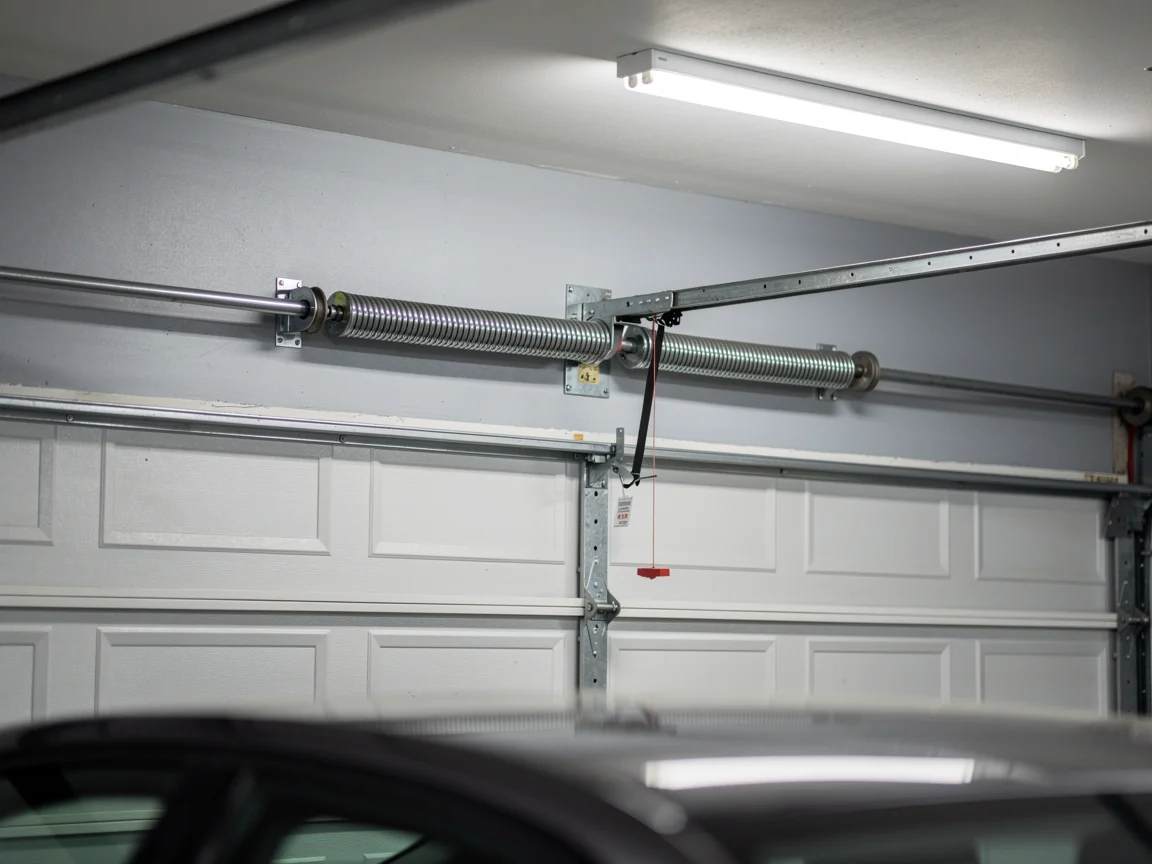
How It Shows Up
Most of the time it's not subtle. The door stops partway on the track, hangs crooked, or one corner droops lower than the other while the rest of the panel stays level.
Grinding then stalling
You hear a grinding or popping sound right before it happens, then the opener either stalls or keeps pulling on a door that isn't moving square anymore. Some owners notice it gradually - the door's been rubbing or binding on one side for weeks before it finally jumps the rail completely.
Partial derailment strains opener
A door that's only partly off track is worse to drive than one that's fully derailed, because the opener doesn't know anything's wrong and keeps applying force. That's how a bent track turns into a cracked panel or a broken cable in the space of one more cycle.
Stop using the opener
If your door is hanging crooked or grinding against the track, the right move is to stop using the opener and the manual release both, and leave it where it is until someone looks at it. Forcing it down by hand is how a rail bracket gets torn out of the framing instead of just bent.
What Can Go Wrong
The track itself can bend from an impact - a car bumper, a ladder, a kid's bike - and once it's bent, the rollers won't ride straight no matter how many times you push them back in.
Loose anchor brackets
Brackets that anchor the track to the framing can pull loose, especially on older jamb lumber that's dried out and doesn't hold a lag screw the way it used to. Rollers wear down and get loose in their stems over years of cycles, and a worn roller is more likely to jump the track edge than a new one.
Uneven drop twists door
Cables matter here too. If a cable jumps its drum or frays, one side of the door can drop faster than the other, twisting the door against the track until it binds and pops loose.
Forcing door back harms
None of these are the same repair, and trying to force a door back onto a track without knowing which of these caused it usually makes the actual problem worse - you can seat the door back on the rail and still have a bent track or a loose bracket that sends it off again the next time it cycles.
Why This Fails Locally
Housing in the Attleboro service area mostly went up between 1938 and 1994, with the bulk of it dating to the 1960s and '70s across the 41 named communities this covers. Garage framing and track brackets from that era were installed to the standards of the day, and decades of freeze-thaw cycles in this climate band - classified cold and severe - work on lag screws and jamb wood in ways that weren't accounted for when the garage was built. Wood shrinks and swells with the seasons here, and a bracket that was snug in 1975 can be loose enough today to let a track flex under load.
Cold is the other half of it. Steel track contracts in deep winter cold, hardware gets stiffer, and a roller or cable that was barely hanging on through the fall can finally let go on the first hard freeze. That combination - older bracket hardware plus a real winter - is why we see more off-track calls here than you'd expect in a warmer region with newer housing stock. It's not that doors are built worse here; it's that the housing age and the climate band both push in the same direction.
Questions
Common questions
Can I push my garage door back onto the track myself?
We'd rather you didn't. A door under spring tension that's partly off track can come down fast or swing in a way that hurts you, and if the track is bent rather than just dislodged, forcing it back can tear the bracket loose. Disconnect the opener, leave the door where it sits, and call someone to look at it.
Why does my door keep coming off track in winter?
Cold steel and dried-out jamb lumber both play a part. In this climate band, track hardware contracts and bracket screws that were already a little loose from age tend to let go right when the temperature drops hard, which is why off-track calls cluster in the coldest stretches of the year.
Is it ever cheaper to replace the whole door instead of fixing the track?
Sometimes. If the track is badly bent and a panel cracked when the door was forced while off track, pricing out a new track plus a matched panel can run close to or past the cost of a new door, especially on an older door where panels aren't easy to source. We'll tell you if you're in that range before doing the work.
How do I know if it's the track or the rollers?
If the door hangs crooked at one corner but the rail itself looks straight, it's usually a roller or cable issue. If you can see a kink or gap in the track itself, or a bracket pulled away from the wall, that's a track problem and needs different parts.
Explore more
Explore More Services In Attleboro, MA
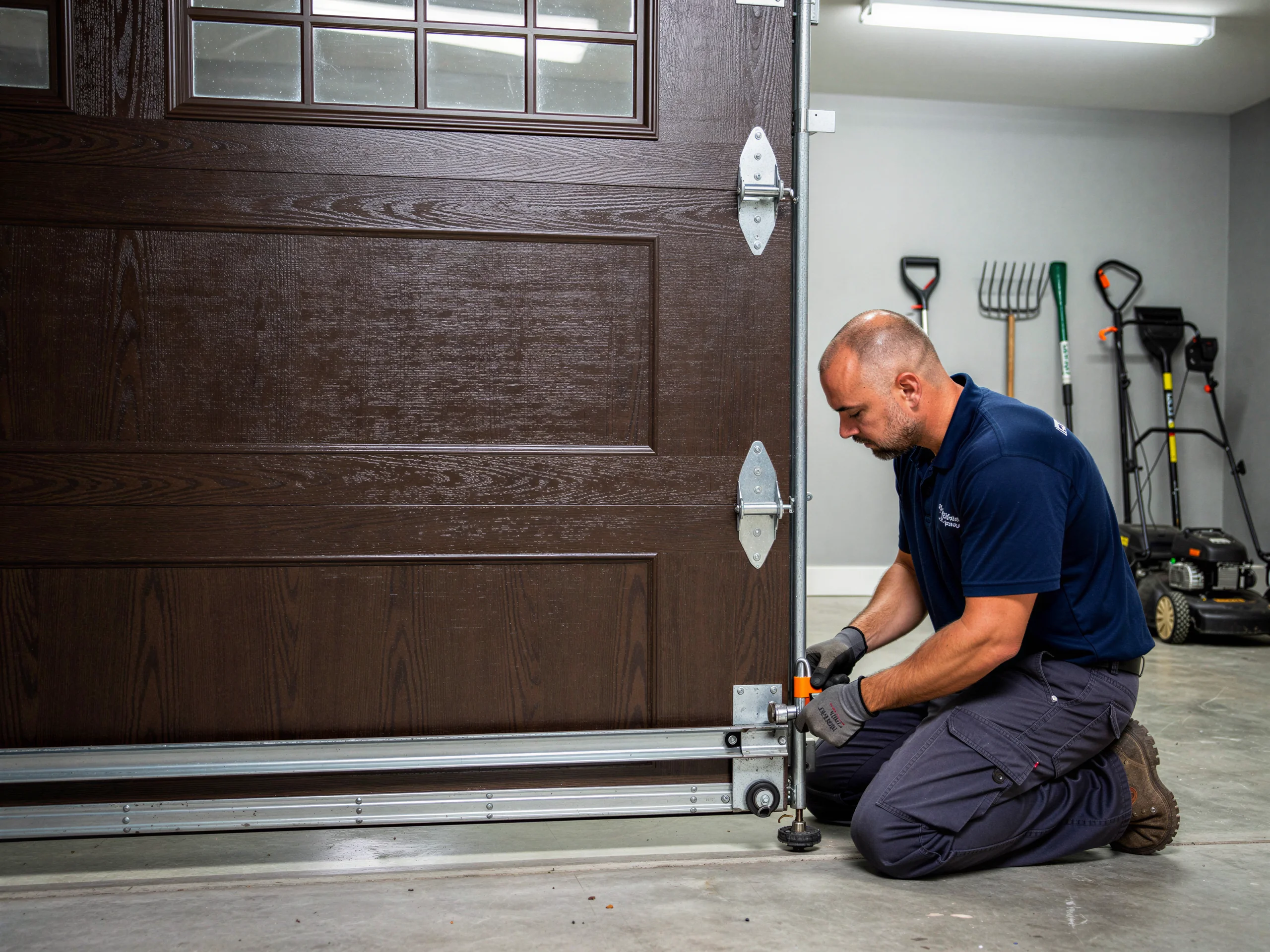
Garage Door Repair for Attleboro's Older Housing Stock
Garage door repair for Attleboro homes built mostly between 1938 and 1994, where cold winters and original hardware combine to wear out springs and openers early. Learn more →
Garage Door Opener Installation for Attleboro Homes
Opener installs sized for Attleboro's 1938-1994 housing stock and cold-climate winters, from the service area's garage door opener installers. Learn more →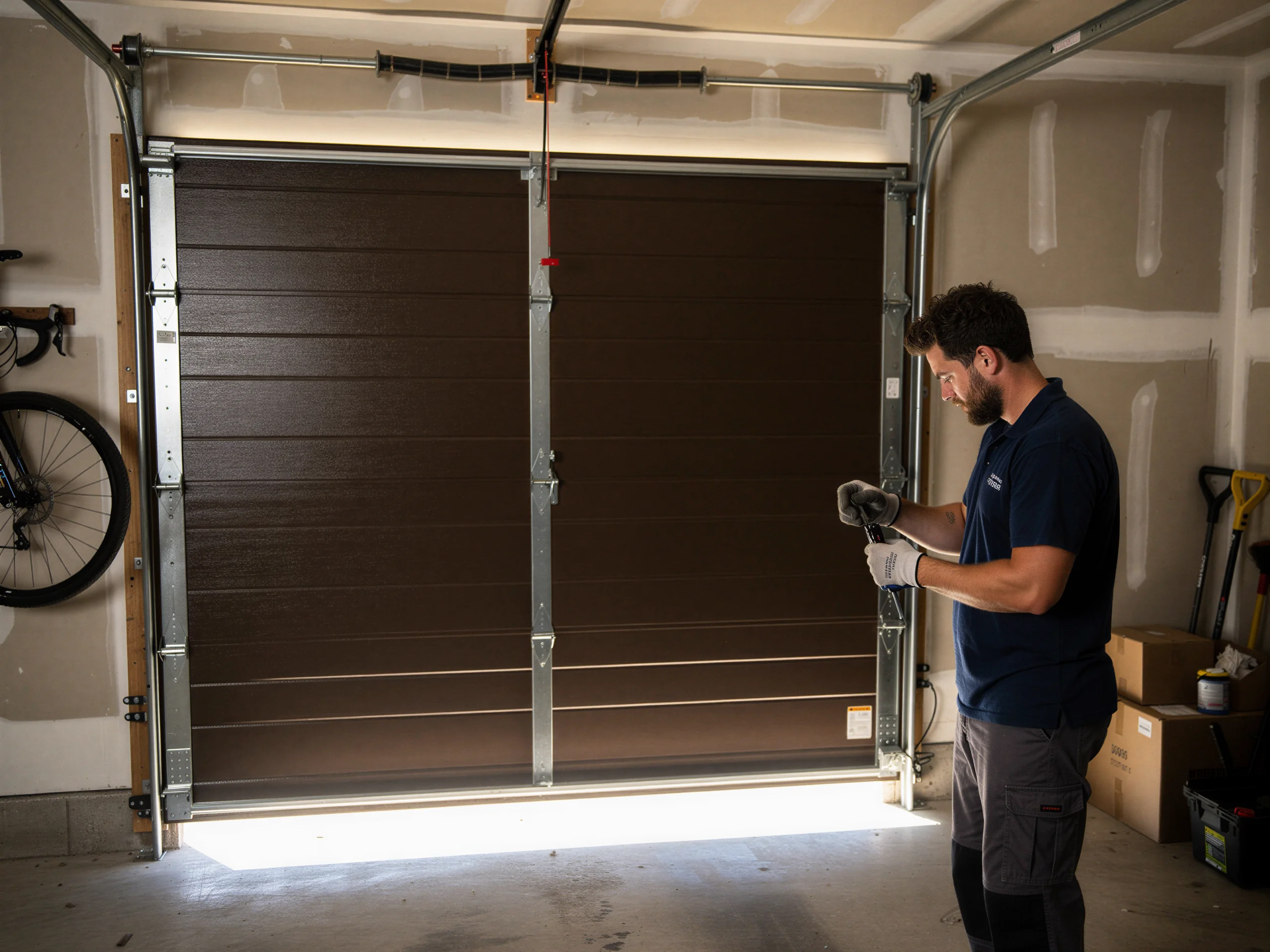
Garage Door Installation for Attleboro Homes
New garage door installation in Attleboro, MA, built around the city's 1938-1994 housing stock and the cold-climate hardware it actually needs to hold up. Learn more →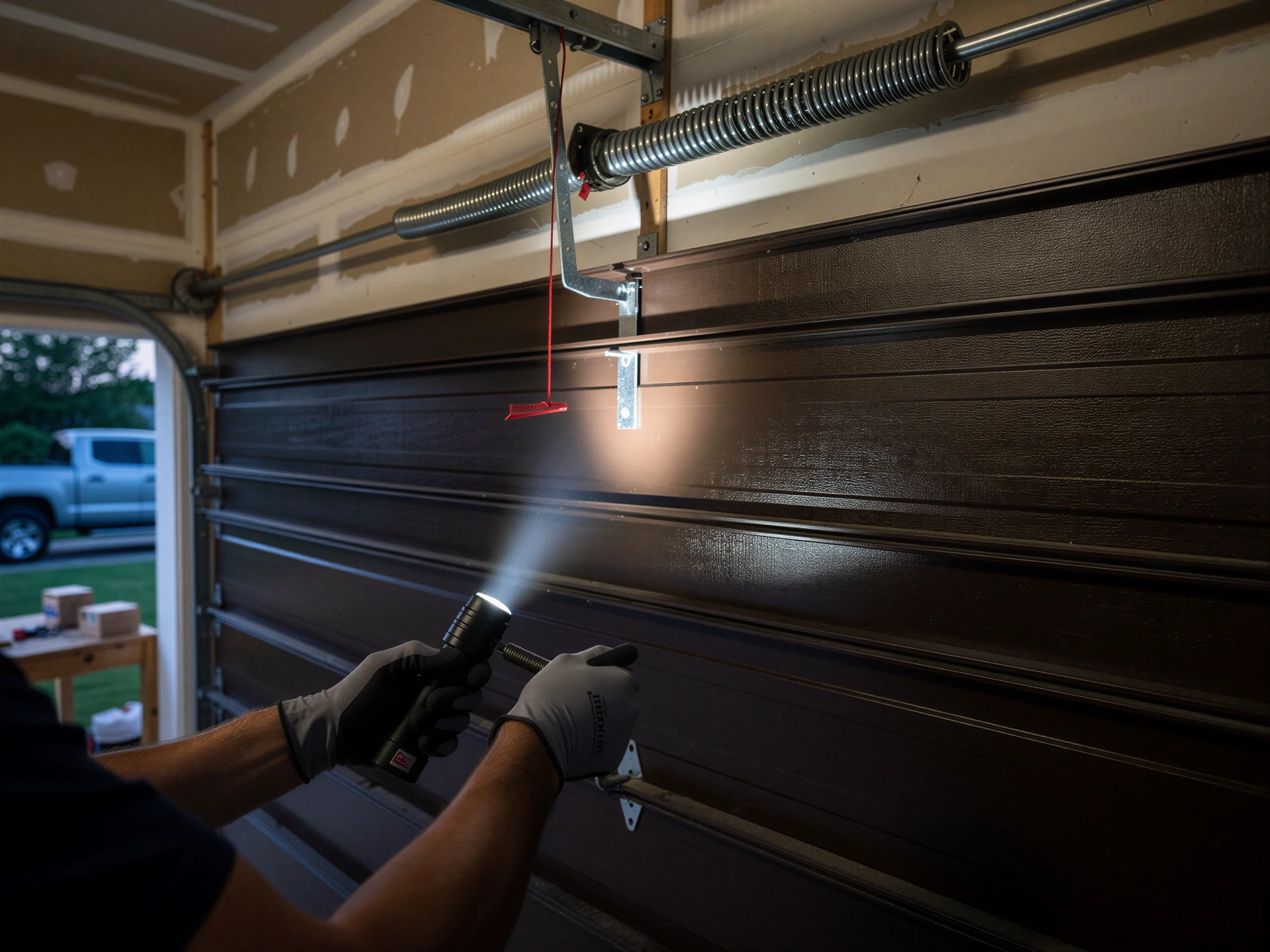
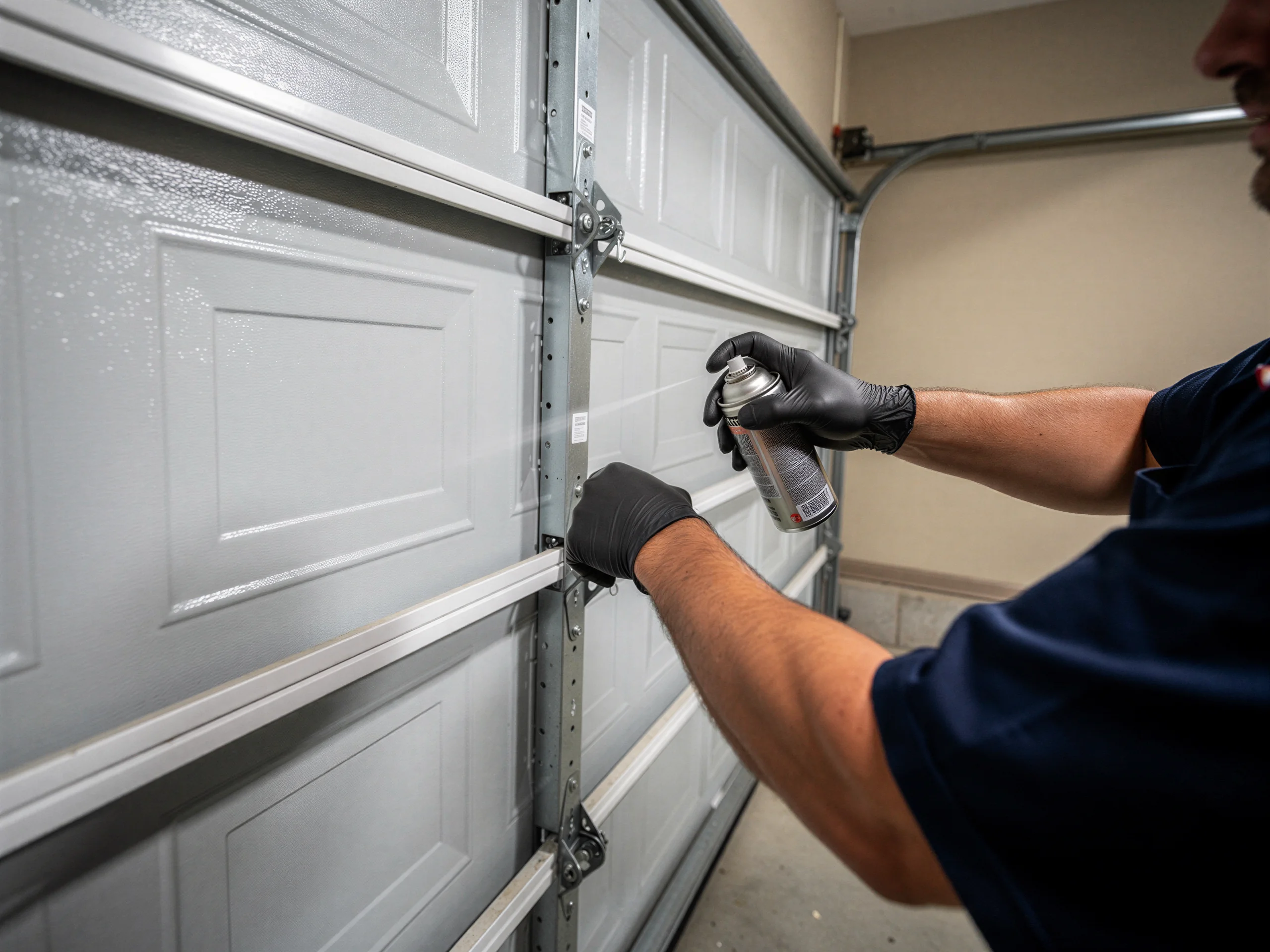
Garage Door Repairs and Tune-Ups for Attleboro Homes
Garage door service in Attleboro, MA, tuned to the area's 1960s-70s housing stock, cold winters, and the springs and openers that wear out fastest here. Learn more →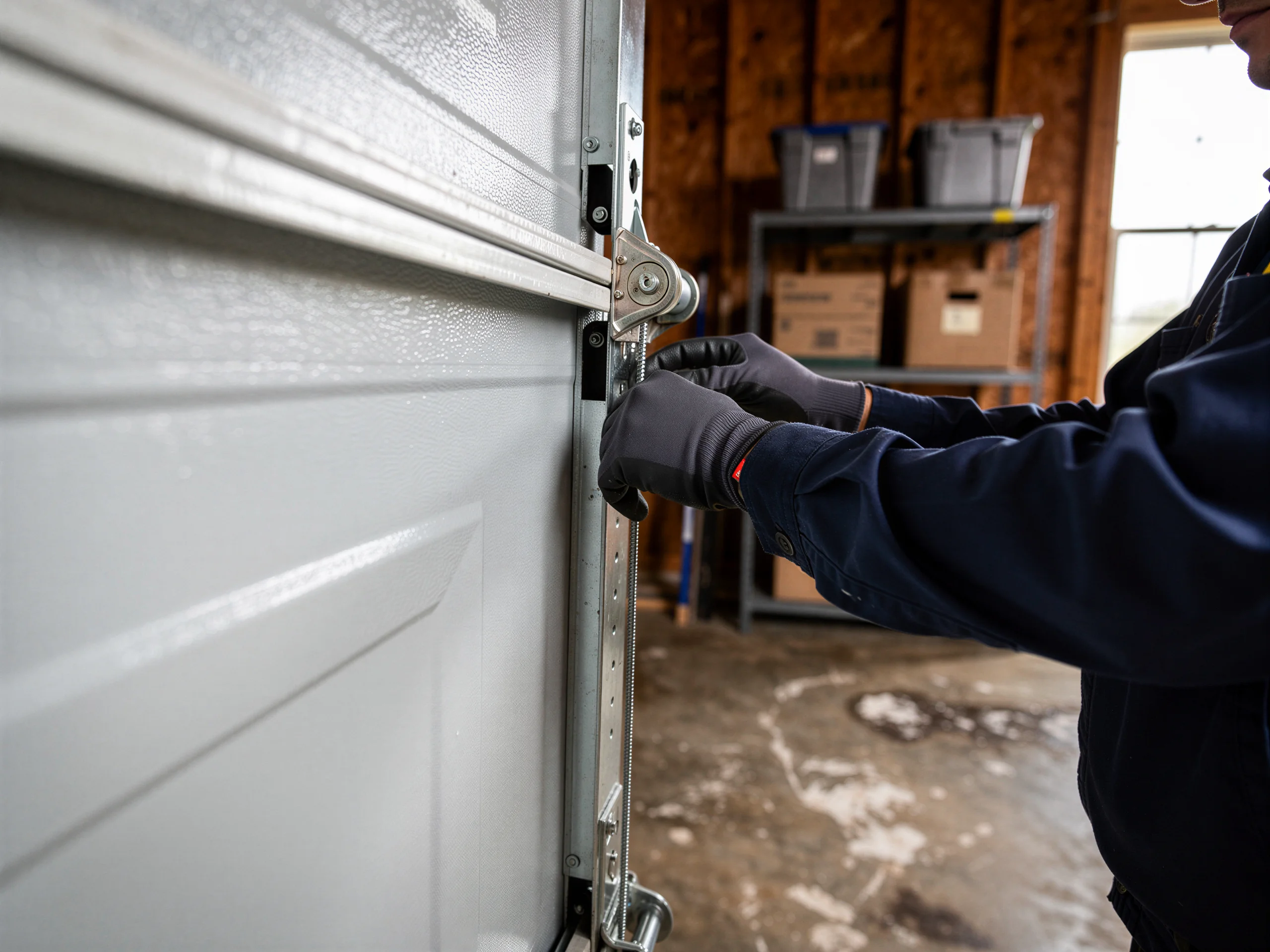
Garage Door Cable Repair for Attleboro Homes
Frayed or snapped garage door cables are common in Attleboro's 1938-1994 housing stock. Learn more →Ready when you are
Need a garage door sorted in Attleboro?
Attleboro Garage Door Pros repairs and installs garage doors, springs and openers in Attleboro, MA and the surrounding area.