Local detail
What It Costs
We can't quote a number without seeing the door, but we can tell you what moves the price. Most of the houses we work on here went up between 1938 and 1994, with the bulk clustered in the 1960s and 70s across the 41 communities we cover. A door from that era usually means a torsion spring wound for a heavier, older-style section, sometimes without a safety cable, and an opener bracket that doesn't match what's sold today. Matching old hardware costs more in labor than swapping a current system, because we're adapting parts instead of bolting in a kit.
The median household income across this service area runs $121,458, which is part of why a lot of owners here choose to replace rather than patch a door that's outdated by code. A spring job on a standard double door is a different call than a spring job on a door with obsolete rollers and a worn track that's been flexing for fifty winters. We'll tell you straight if a repair is throwing good money after bad - sometimes it is, sometimes it isn't, and we won't know until we're standing in front of it.
The area
The Problem
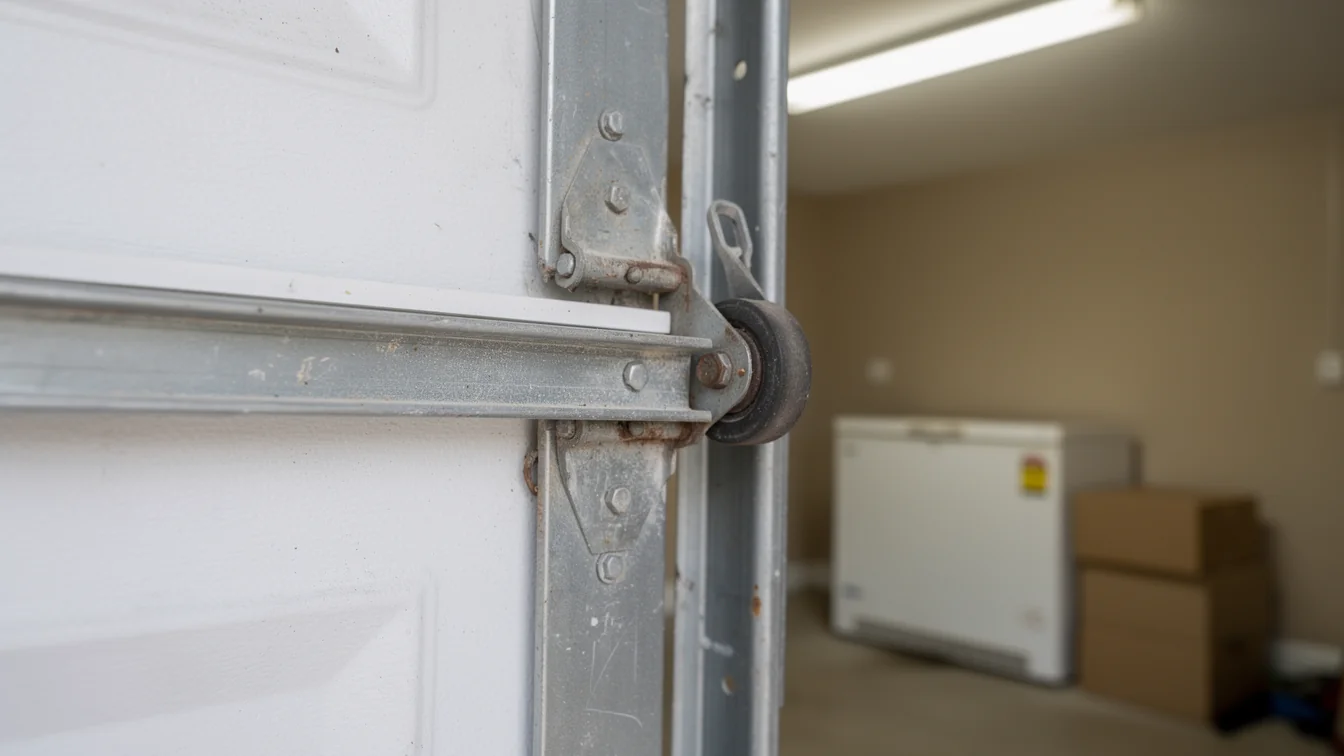
A door installed in 1968 was engineered for the hardware and the winters of 1968. With a median build year of 1975, a lot of these doors are carrying their second or third spring, not their first, and the track alignment has usually shifted a little with every freeze-thaw cycle since. Original rollers on that generation of door are steel, not nylon, and they wear the track unevenly over decades, which is why a door that looks fine often binds halfway up.
The other problem is the opener. A chain-drive unit from the 80s or 90s wasn't built with today's travel limits or force sensors, and on an older door frame it's often fighting a spring that's lost tension gradually rather than snapping outright. That slow loss is harder to notice than a sudden failure - the door just gets heavier on the opener, cycle after cycle, until something gives.
What we find
Leaving It Alone
A torsion spring under tension doesn't fail quietly. When one goes on an older door, it usually takes a cable or a pulley bracket with it, and on a two-car door that's enough force to bend a track or crack a panel on the way down. Across the service area there are 181,329 households and 100,876 owner-occupied houses, most sitting on hardware older than the people living in them, and a fair number of those doors are one bad cold morning away from a spring failure.
Waiting doesn't make the job cheaper. A door that's been grinding on a worn roller for another year usually arrives at the shop with a bent track too, which turns a spring call into a spring-and-track call. If the opener's been straining against a weak spring, the gears inside wear faster, so the opener dies sooner than it should have. None of this is dramatic until the day it is.
How we work
What Local Conditions Do
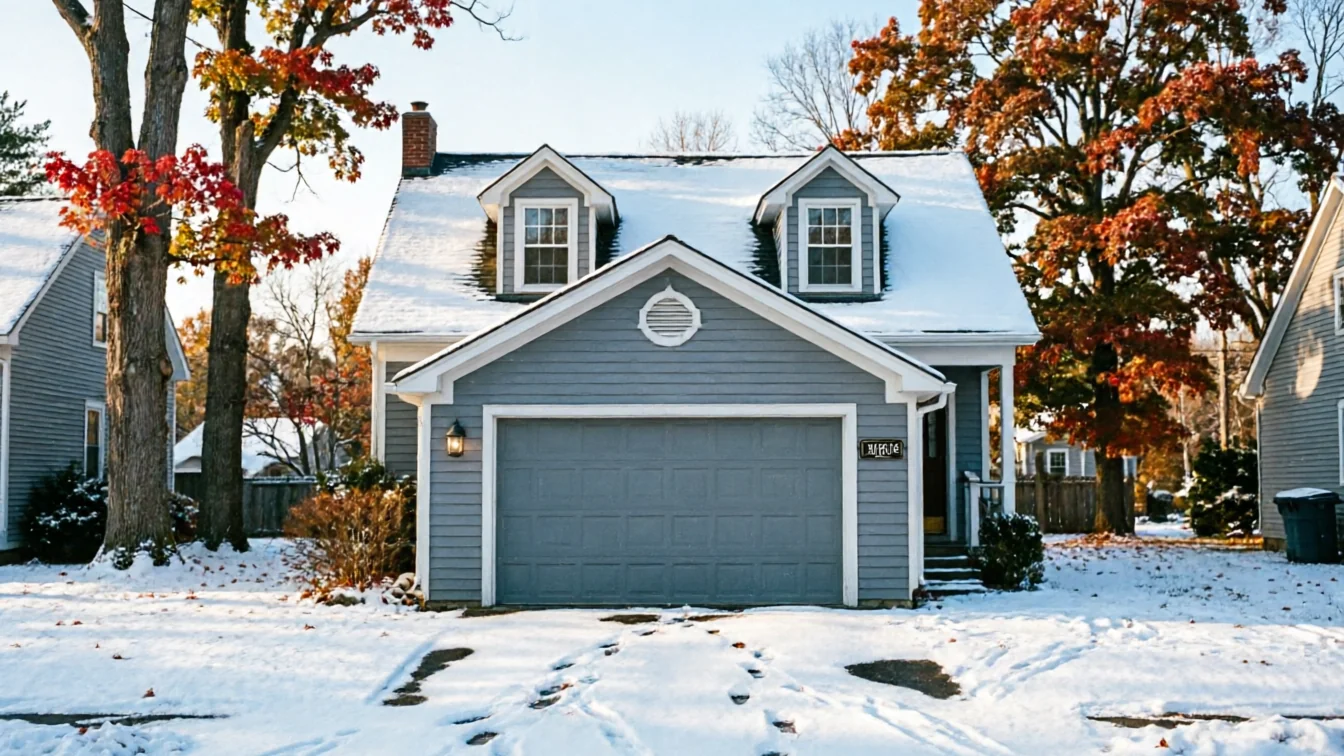
Attleboro sits in a cold-climate zone with severe winter conditions, the kind that stiffens torsion springs and swells wood jambs on a 1960s-era door. Steel loses some flex in deep cold, so a spring that's already near the end of its cycle life is far more likely to let go on a January morning than a mild October one. That's not superstition - it's why we see more spring calls in the cold months than any other time of year.
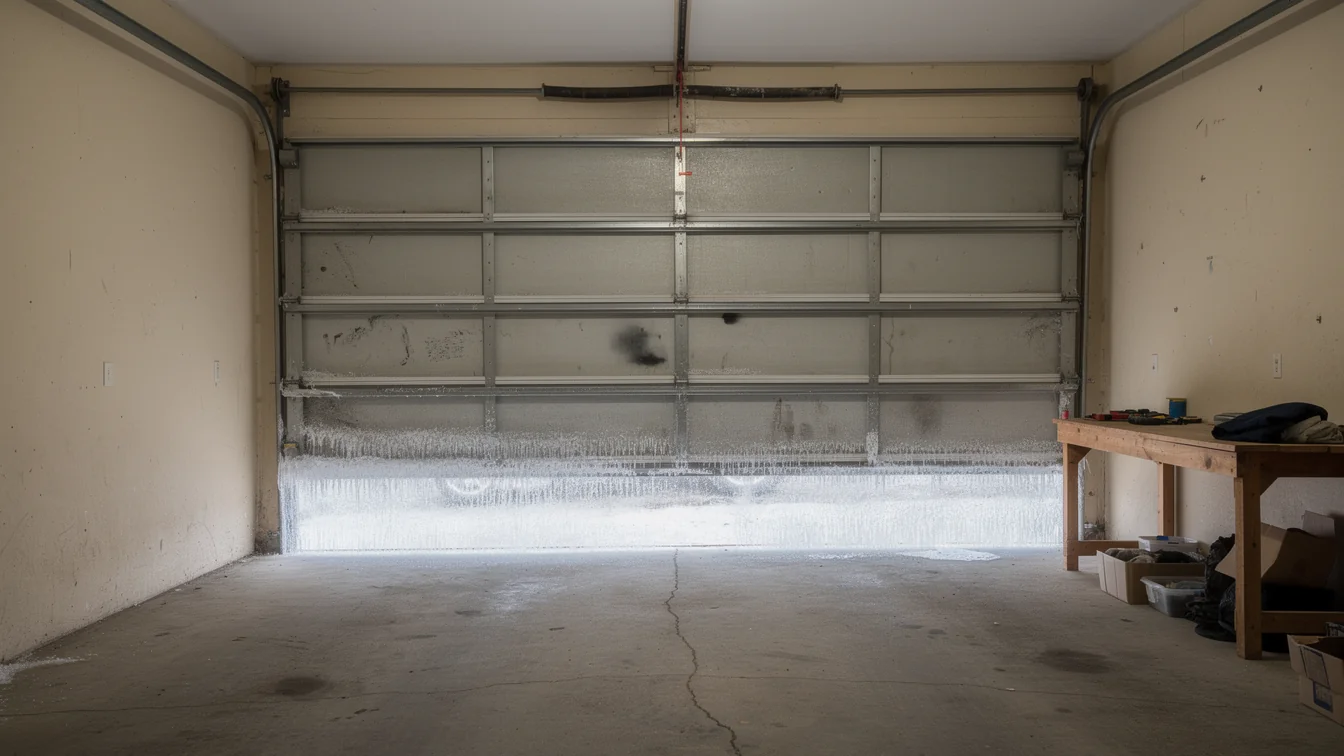
Cold also changes how the door seals. Jambs and panels built decades ago shrink and swell more than newer composite doors, which opens gaps at the bottom seal and lets wind drive snow underneath. On an older door that's already a little out of square, that seasonal movement is often what finally separates a track bracket that's been loose for years. If your door's been sticking only in winter, that's the cold working on hardware that's past its prime, not a one-time fluke.
Talk to a local pro
Garage door trouble in Attleboro?
Same-day service with honest, upfront quotes.