North Seekonk, Attleboro
Roller Replacement for North Seekonk Garage Doors
Garage doors in North Seekonk mostly date to 1960, with original steel rollers worn thin. Attleboro Garage Door Pros swaps them out, 4 miles from the shop.
The DIY Question
North Seekonk's median household income sits at $110,541, which is the number that actually decides this job. Rollers are one of the cheaper parts on a garage door, and at that income level most owners can keep up with swapping them on a normal cycle instead of waiting until one seizes and tears up the track.
Cheap now, costly later
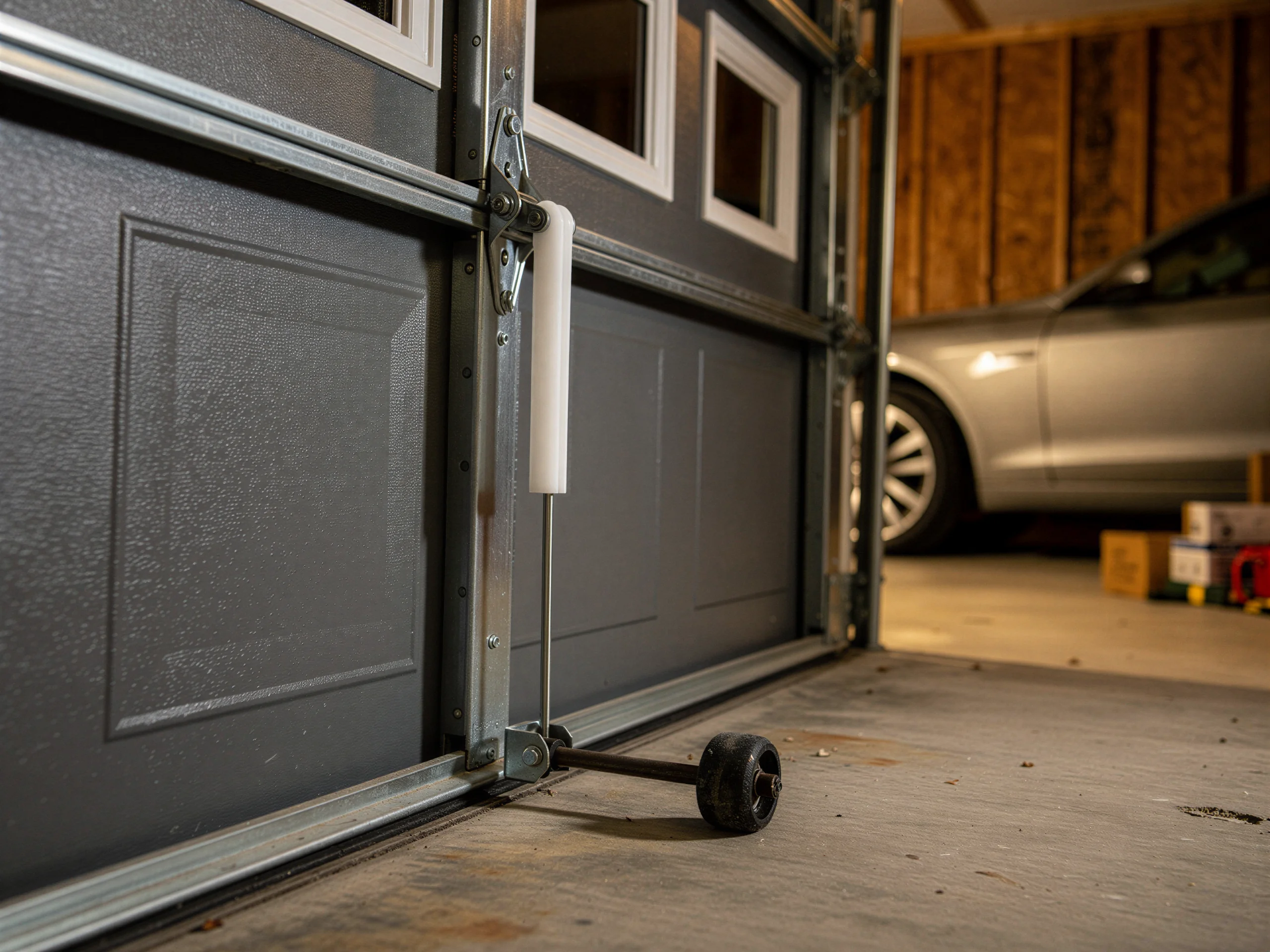
That's the whole repair-versus-replace math here: a worn roller is a small bill now, or it's a bent track and a gouged jamb later, which is a much bigger one.\n\nCan you do it yourself? Bottom roller brackets on the hinges, maybe, if you've got the right clamps and you're not working near a loaded spring.
Spring-cone bracket danger
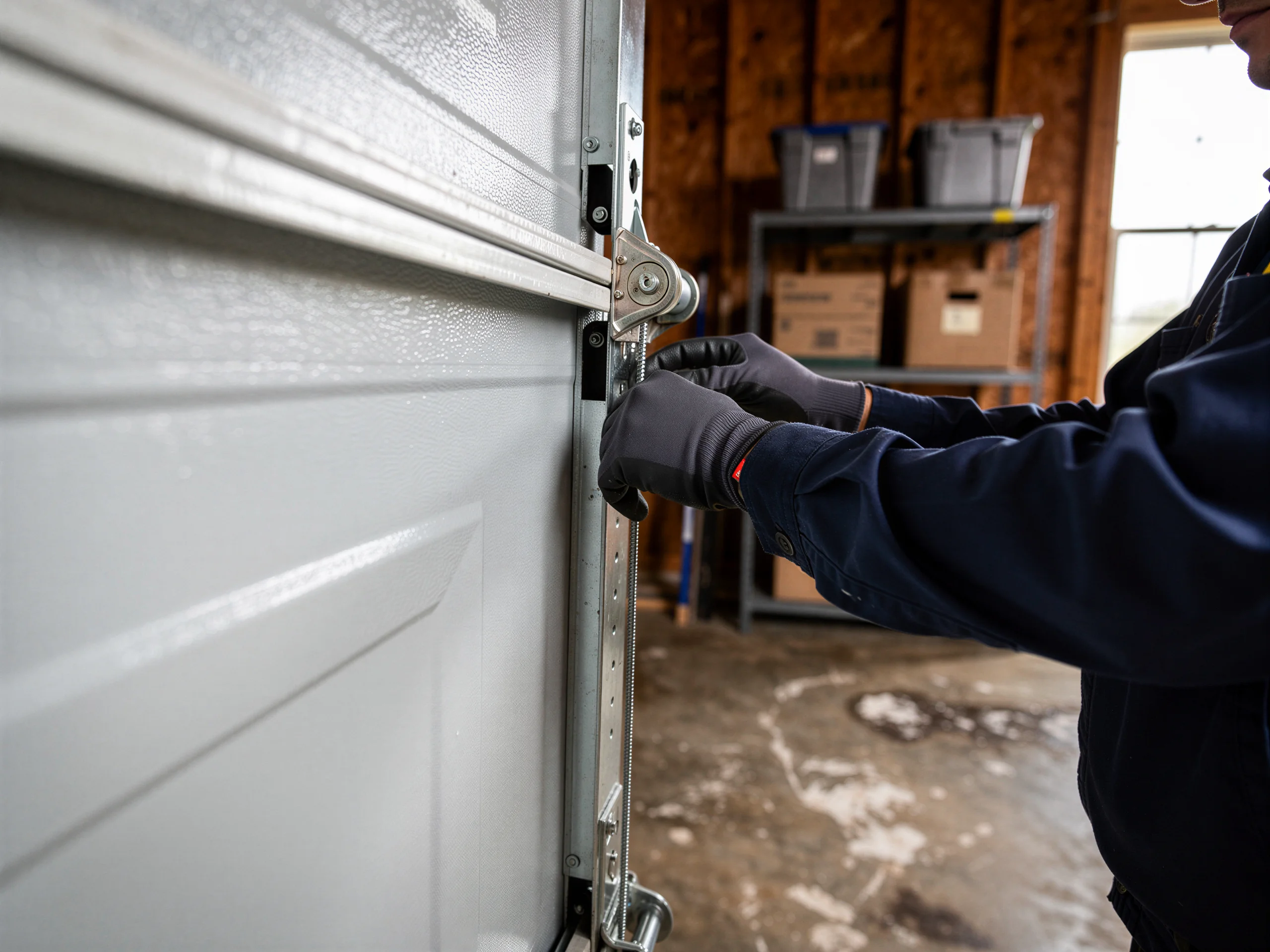
The two rollers nearest the spring cones are a different story - those brackets carry tension from the cable drum, and pulling the wrong bolt on a wound torsion spring is how people end up in the ER.
Stubborn brackets on originals
If your door is original from the 1960 wave of construction, there's a decent chance those brackets have never been off, and they don't always come apart clean.\n\nWe'll say it straight: this isn't the job to learn on a door with a door-height stepladder and no spring clamp. It's a 20-minute job for someone who's done it a thousand times, and a bad afternoon for someone who hasn't.
What Can Go Wrong
Houses in North Seekonk mostly went up around 1960, part of the broader 1960s-70s wave that covers most of the named communities in this area.
Stamped steel wheels
Doors from that build-out, where they haven't been fully replaced, often still carry the galvanized steel rollers that were standard at the time - stamped steel wheels on a steel stem, no bearing, no nylon tire.
Inside-out roller rust
Those rollers run loud, and once the galvanizing wears through they rust from the inside out, which you can't see until the roller seizes in the track.\n\nWhere a door has been upgraded once since 1960, the rollers are usually nylon on a sealed bearing, which is a better part but not an immortal one.
Freeze-thaw cracks tires
Nylon gets brittle in cold, and this area sits in a severe cold climate band - repeated freeze-thaw cycles crack the tire face over a few winters, especially on the two rollers that take the most load near the bottom corners.\n\nWhat goes wrong either way: a cracked or rusted roller binds in the track, the opener keeps pulling against it, and the track bows outward at the bind point. Catch it at the roller stage and it's a parts swap. Catch it after the track bends and you're replacing track, and sometimes a panel, on top of the rollers.
How It Shows Up
The most common complaint we hear is noise - a grinding or clunking that gets louder as the door travels, usually worse on a cold morning than by afternoon once things warm up a degree or two.
Cracked tire slapping rail
That's steel-on-steel wear, or a cracked nylon tire slapping the track rail.\n\nThe second sign is a door that hesitates or jerks at one specific point in its travel, almost always the same spot every time. That's a roller catching on a burr in the track or binding where the track has started to bow.
Side-view roller sticking
If you watch the door from the side while it closes, you can usually spot which roller is sticking - it'll hang up half a second before the others.\n\nLess common but worse: the door comes off the track edge slightly, rides crooked for a foot or two, then drops back in.
Worn thin, sagging corner
That's a roller that's already partly failed and is riding on a flat spot or a broken stem. On older 1960-era hardware we also see rollers that have simply worn thin enough that the door sags visibly at one corner when it's down. None of these mean the opener is bad - they mean the rollers are done.
How Long It Takes
A straight roller swap on a residential door, both tracks, is a short visit - most of the time on site goes into pulling the old hardware and checking the track for the kind of wear or bowing that rollers in bad shape tend to cause. If the track itself has bowed out from a seized roller, that adds time, since the track has to come off, get straightened or replaced, and go back on square before new rollers go in.\n\nWe're coming from Attleboro, about 4 miles out, so getting a truck to North Seekonk isn't the long end of the job - the long end, when there is one, is the condition of what we find once the door's open. A door with original 1960s steel rollers that have never been touched sometimes has bolts rusted into the bracket, which takes longer to work loose than it takes to install the new part.\n\nOne honest limitation: if a roller has already failed enough to bend the track, we don't always carry a matched replacement track section on the truck for every door style, and that can mean a short return visit instead of a one-trip fix.
Booking a Visit
If your door's been noisy or hanging up at the same spot for a few weeks, that's worth getting looked at before a roller actually seizes and takes the track with it. We travel out from Attleboro to North Seekonk for this kind of call, and we'll tell you straight on site whether it's a roller job or something bigger - we're not going to sell you a full track replacement when four rollers and an hour fixes it.\n\nSee our main page for North Seekonk garage door work for the other issues we handle on doors from this area's housing stock, or check the roller replacement page for Attleboro if you want the general rundown on how we price and approach this job before you call.
Questions
Common questions
Are the rollers on my North Seekonk house probably steel or nylon?
Depends on whether the door's been touched since the house was built. Most homes here date to around 1960, and if the door is still original, it likely has steel rollers. If someone's already replaced the door or its hardware once, nylon-on-bearing rollers are more common. We can tell you which in a couple of minutes on site.
Does cold weather really affect garage door rollers?
Yes, especially nylon ones. This area sits in a severe cold climate band, and repeated freezing stiffens nylon tires and makes existing cracks spread faster. Steel rollers don't get brittle the same way, but they rust and bind if the galvanizing has worn through, which cold and moisture together speed up.
Will you drive out to North Seekonk for just a roller job?
Yes. We run out of Attleboro, about 4 miles away, and a roller swap is a normal call for us, not a special trip. We don't keep a branch in North Seekonk, so the visit starts from the Attleboro shop, same as any other job in the area.
How do I know if it's the rollers and not the opener?
Watch the door travel from the side. If it hesitates or jerks at the same spot every single time, that's almost always a roller catching in the track, not the opener. An opener problem usually shows up as the door not moving at all, or stopping partway every time rather than just hitching.
Explore more
More Services in North Seekonk
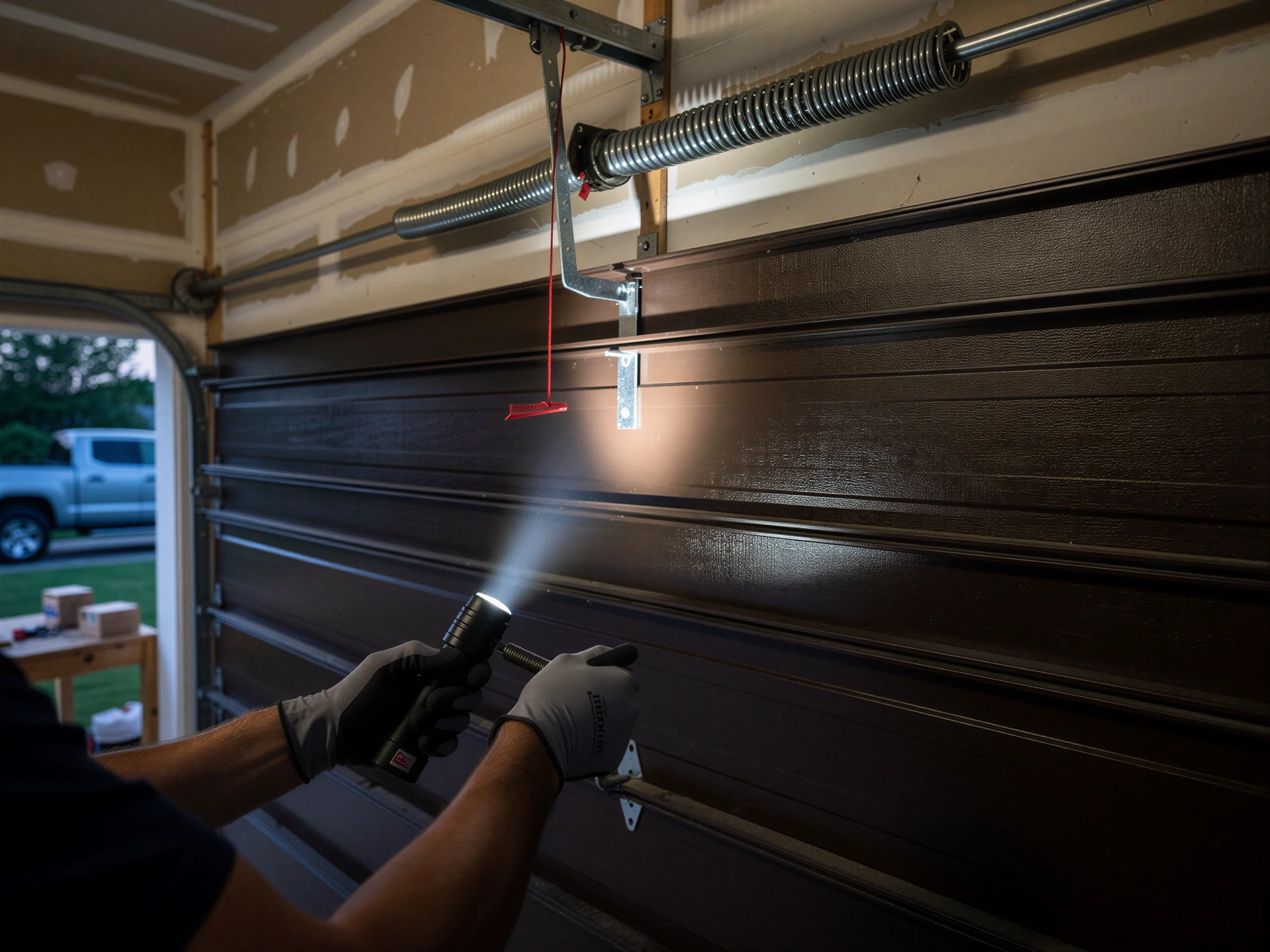
Emergency Garage Door
North Seekonk homes mostly went up around 1960, years before Attleboro's service-area average - older hardware means different failures. Learn more →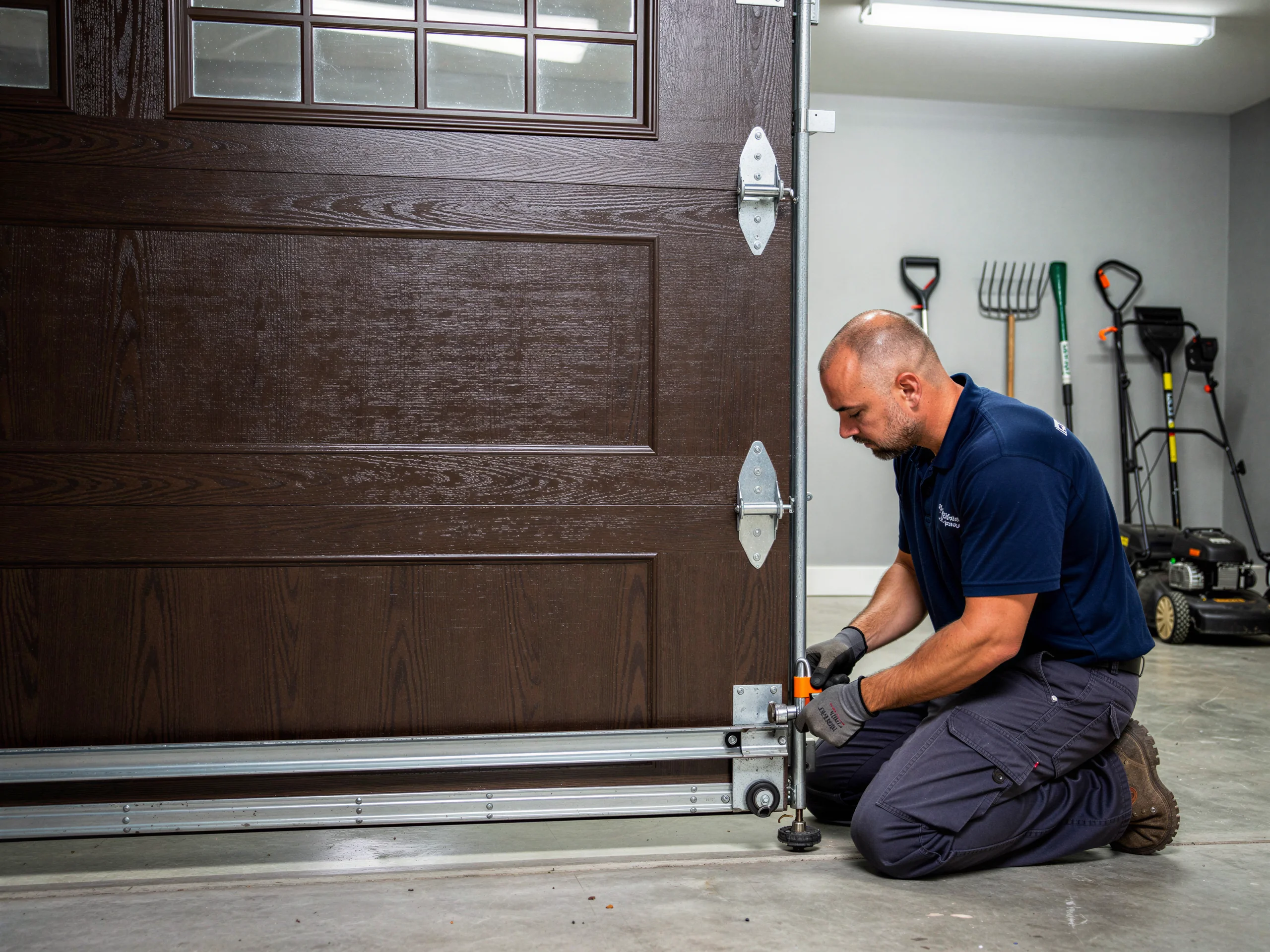
Garage Door Repair
North Seekonk's houses run older than the rest of our service area - 1960s torsion hardware that needs different parts than a newer Attleboro build. Learn more →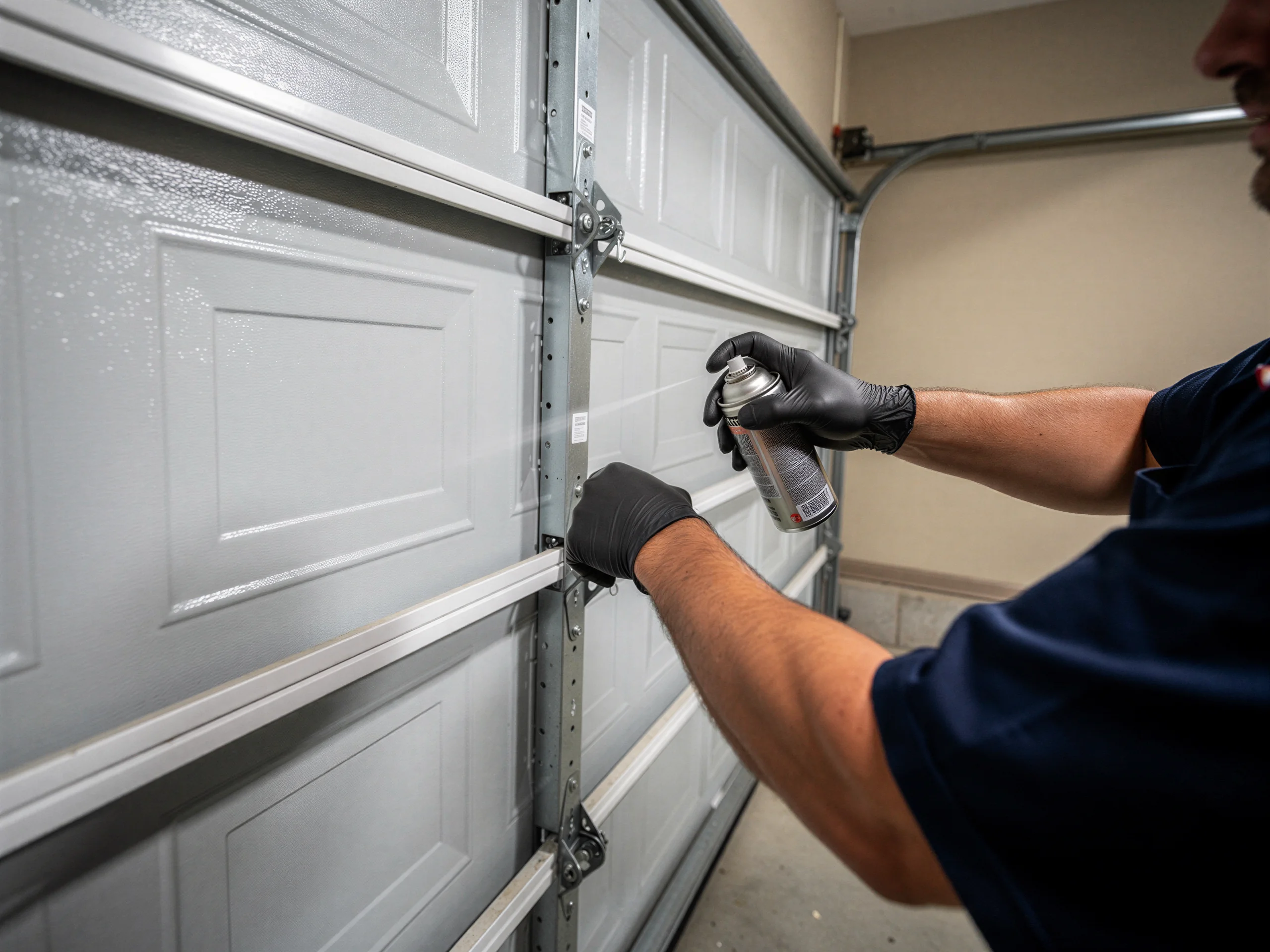
Garage Door Service
Garage door repair for North Seekonk's 1960-era housing stock, serving the area 4 miles from our Attleboro shop. Learn more →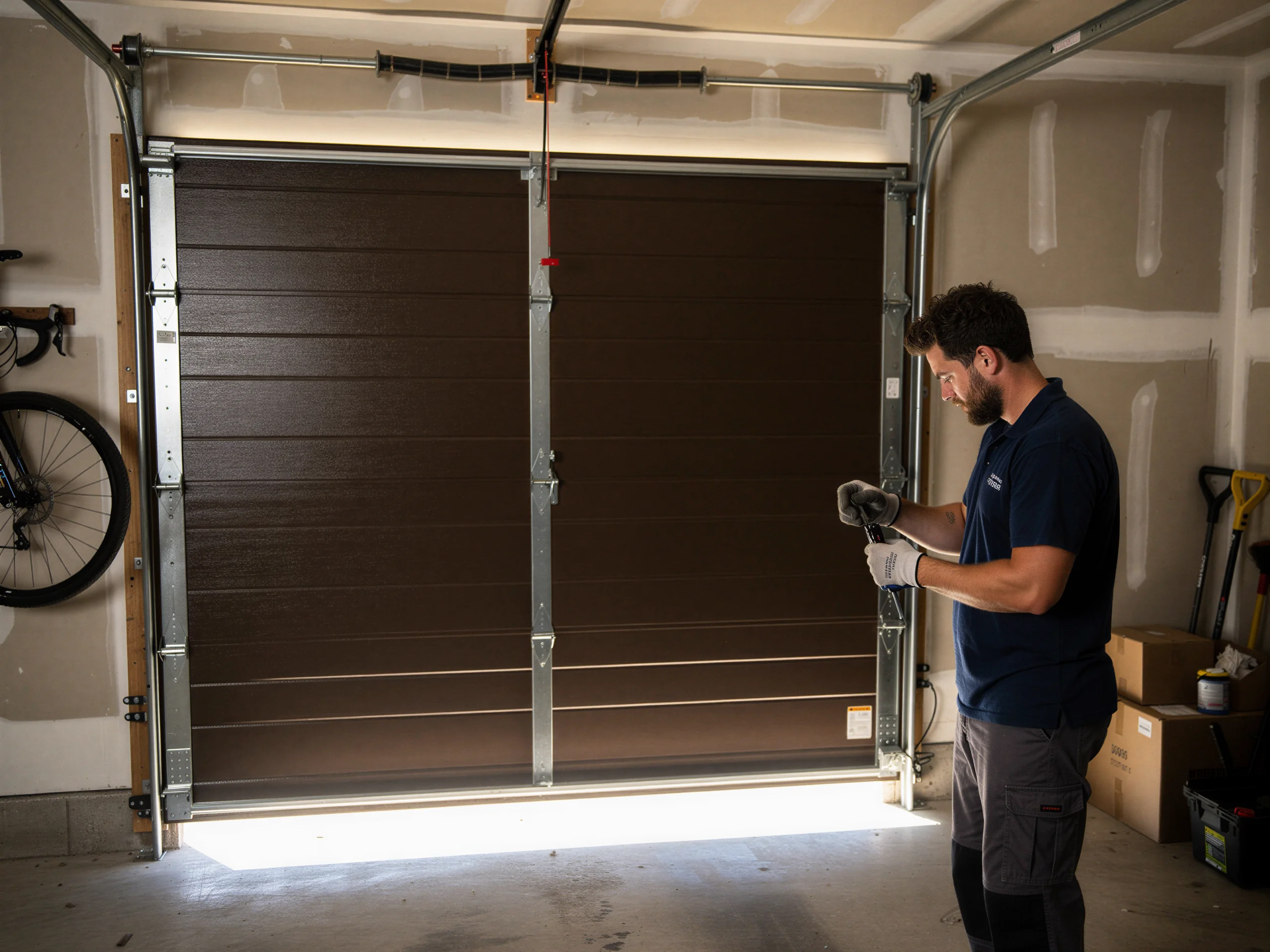
New Door Installation
North Seekonk homes median from 1960 still run original hardware. Learn more →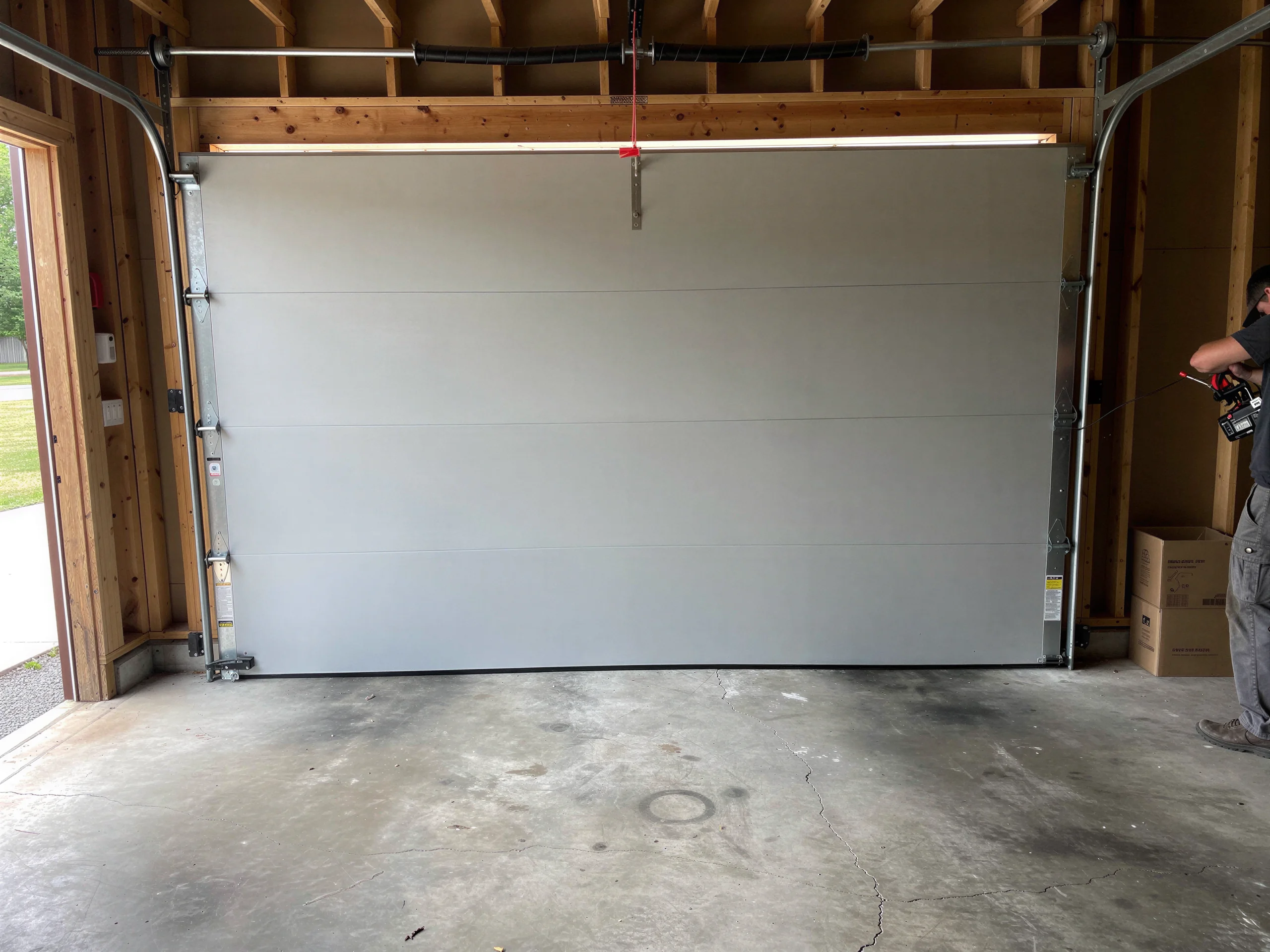
Ready when you are
Need a garage door sorted in Attleboro?
Attleboro Garage Door Pros repairs and installs garage doors, springs and openers in Attleboro, MA and the surrounding area.