
Norton Center, Attleboro
Garage Door Repair for Norton Center's 1980s Housing Stock
Norton Center homes run newer than Attleboro's - median build year 1981 versus 1975 citywide. That six-year gap changes which springs, tracks and openers fail first.
Why This Fails Locally
Attleboro's housing stock centers on a median build year of 1975, but Norton Center's own median lands at 1981. Six years doesn't sound like much until you look at what changed in garage door hardware during that stretch. Doors going up in the city in the mid-70s often came with lighter torsion springs and simpler galvanized track, while the Norton Center wave a few years later started seeing heavier sectional doors paired with early chain-drive openers - bulkier units that draw more current and put more stress on the same gauge of track hardware.
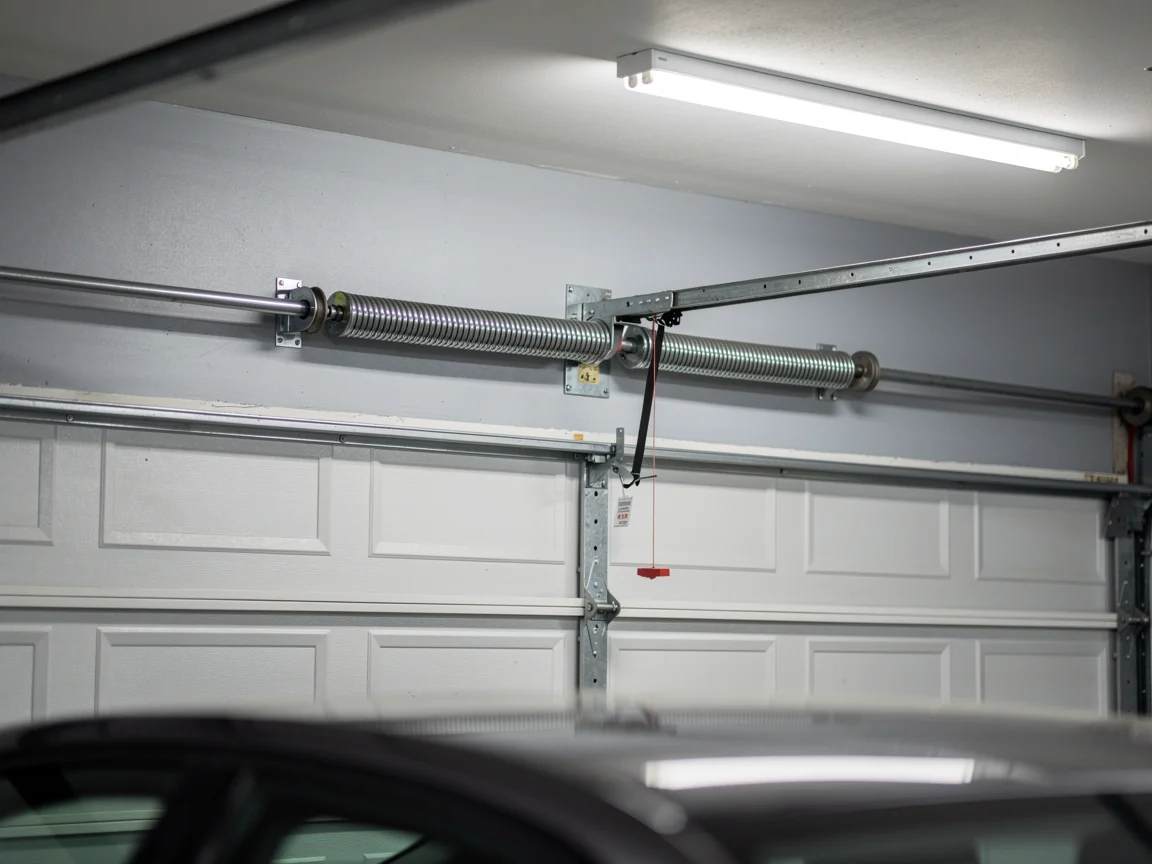
That matters because when we get a call from this area, we're usually not looking at the same failure pattern as a call from the older parts of Attleboro proper. The springs are often still original but sized for a door that's slightly heavier than what the city's 1975-era stock typically carries. Rollers wear differently too, since the extension spring setups common in slightly newer construction put different load on the horizontal track than the torsion setups dominant in older builds.
Norton Center sits about six miles from our shop in Attleboro, and across the wider service area we're covering 41 named communities with housing spanning 1938 to 1994 - so the hardware generation shifts street by street, not just town by town.
How It Shows Up
On doors from this build era, the first sign is usually a labored opener - a chain-drive unit straining and grinding before the door even lifts off the floor.
Opener fights weak spring
That's a different symptom than the loud bang-and-stop you get from a snapped torsion spring on an older door. Here, the opener motor is often fighting a spring that's lost tension gradually rather than failing all at once. Track misalignment shows up as a door that walks sideways on its way up, scraping one side of the frame.
Scraping wears brackets fast
On the heavier sectional doors common to 1981-era construction, that scraping wears the roller bracket faster than it would on a lighter older door, so what starts as a minor rattle becomes a bent track within a season if it's ignored.
Cable gauge mismatch
Cables fraying near the bottom bracket is another one we see more in this generation than in the city's oldest stock - the cable gauge used then wasn't quite matched to the door weight that became standard shortly after. None of this is dramatic at first. It's a door that's slower, louder, or slightly crooked, and it gets worse the longer it runs that way.
The DIY Question
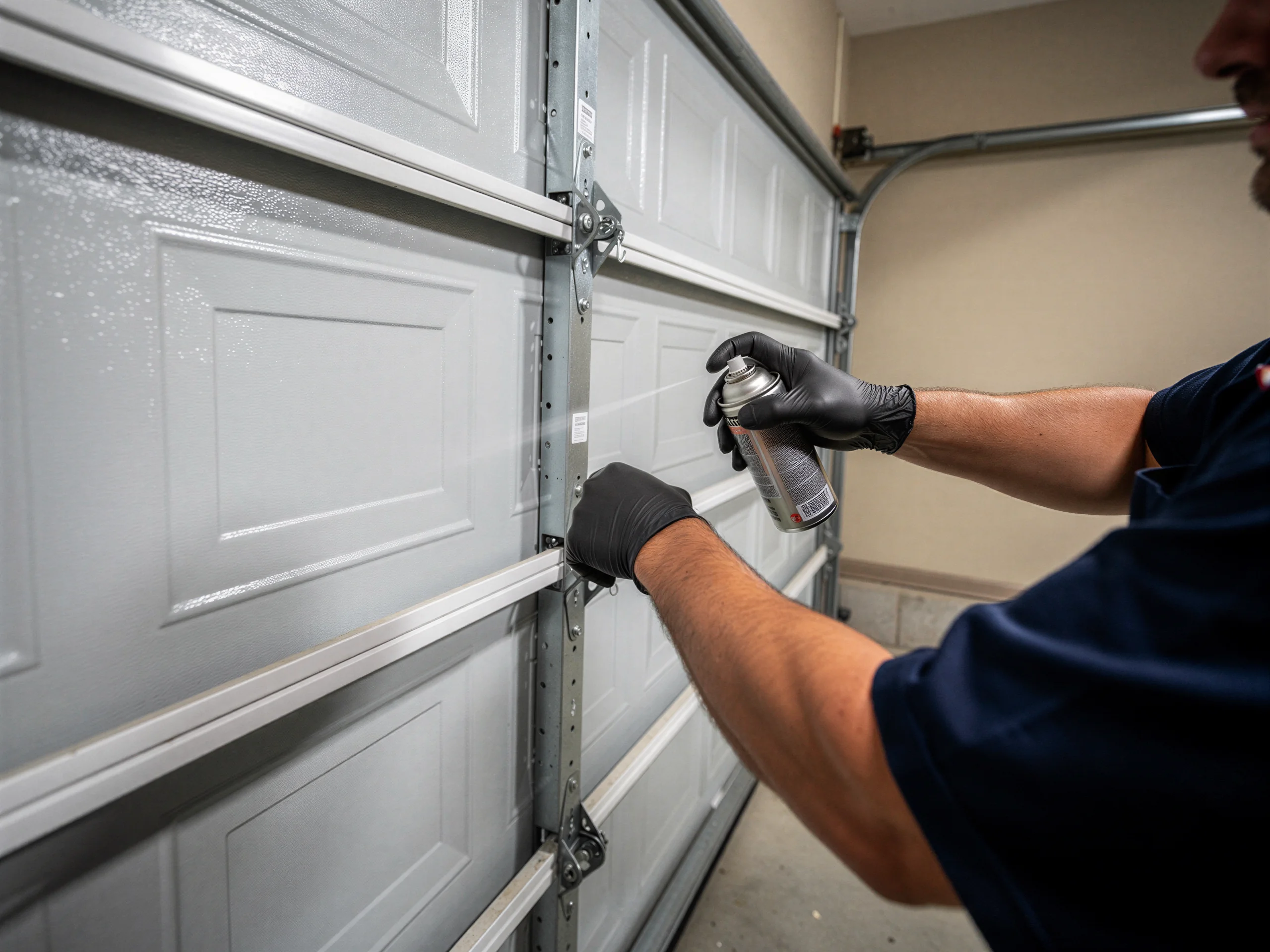
Tightening loose bolts on the track brackets or lubricating hinges is fine to do yourself, and it's cheap insurance against the wear patterns above. What you shouldn't touch is anything under spring tension - torsion or extension, doesn't matter which.
Stored spring force hazard
A spring built for a heavier 1980s-era sectional door stores more force than people expect, and releasing it wrong is how people end up in the emergency room, not just with a broken door. If the opener is straining, resist the urge to just replace the motor and call it fixed.
Strain signals spring wear
On doors from this build era, a struggling opener is often a symptom of a spring that's already lost tension, not a motor problem. Swap the opener without addressing the spring and you'll be back to the same complaint in a few months, just with a newer, more expensive part wearing out the same way.
Paying for diagnosis
We'll say plainly: if you're not sure which part is actually failing, that's a reasonable thing to pay someone to diagnose. Guessing wrong on a sectional door this size costs more than the call.
How Long It Takes
We're not based in Norton Center - we run out of Attleboro, about six miles away. We don't carry a local depot or a standing crew in the area, so every job starts with the drive.
Typical spring job timing
That's worth knowing upfront rather than discovering it on the day. Once on site, a spring replacement on this generation of sectional door typically runs in the range most torsion or extension jobs do - it's not a quick fix, but it's not an all-day job either.
Bent bracket adds hours
Track realignment takes longer if the bracket has already bent from repeated scraping, since that means pulling the door off the track rather than just adjusting it in place. We can't promise a same-day slot sight unseen, since that depends on what's already booked out of Attleboro that week.
Quick diagnosis on site
What we can tell you is that the diagnosis itself, once we're standing in front of the door, is usually quick - the failure patterns common to 1981-era construction are consistent enough that we know what we're looking at within a few minutes.
What the Repair Takes
For a door from this era, the repair kit usually includes a torsion or extension spring sized to the actual door weight rather than a generic replacement - undersizing is a common mistake on doors from this period because people assume all residential doors from the late 70s and 80s carry the same spring spec, and they don't.
Re-straightening the track run
Track work, if the bracket has bent, means pulling the section free, straightening or replacing the horizontal run, and re-securing the roller brackets so the door travels straight again.
Cables replaced in pairs
Cable replacement is usually done as a pair even if only one side shows fraying, since cables from the same manufacturing run wear at close to the same rate.
Parts gone for old models
One limitation worth naming here: if the opener itself is more than a couple decades past its build date and the circuit board or logic unit has failed rather than just the motor, parts for some older chain-drive models are hard to source quickly. In that case, replacement usually makes more sense than waiting on a part that may take weeks to find.
What It Costs
We don't publish a flat number for Norton Center because the job itself varies with what's actually failed - a spring swap, a track realignment, and a full opener replacement are three different bills, and guessing at one on a page like this would be more misleading than useful.
What we can tell you is that the median household income across our service area sits at $121,458, and locally in Norton Center it runs closer to $114,051 - both comfortably above the range where a proper spring and track repair on a heavier sectional door is a reasonable expense rather than a stretch. We quote the job after we've seen the door, not before, because sizing a quote off a phone description on a door this heavy is how people get surprised later.
Questions
Common questions
Why does my opener strain more than my neighbor's in an older part of Attleboro?
Houses in this part of the service area tend to run newer than the city's older stock - median build year here is 1981 versus 1975 citywide. The slightly heavier sectional doors common to that era put more load on the opener motor, so a struggling chain-drive unit here often points to a spring that's lost tension, not a weak motor.
Do you have a crew based in Norton Center?
No. We run out of Attleboro, about six miles away, and travel out for every job here. There's no local depot or standing crew in the area, so plan for the drive time when you're thinking about scheduling.
Is it worth fixing an old chain-drive opener instead of replacing it?
Depends on what failed. If it's just the motor, repair usually makes sense. If the circuit board or logic unit is gone on an older model, parts can be hard to source quickly, and replacement often ends up being the more practical call.
Can I replace a spring myself on a heavier 1980s-era door?
No. Springs sized for the heavier sectional doors common to this build era store more force than most people expect, torsion or extension. That's not a DIY job regardless of how straightforward it looks once the cover panel is off.
Explore more
More Services in Norton Center
Cable Repair
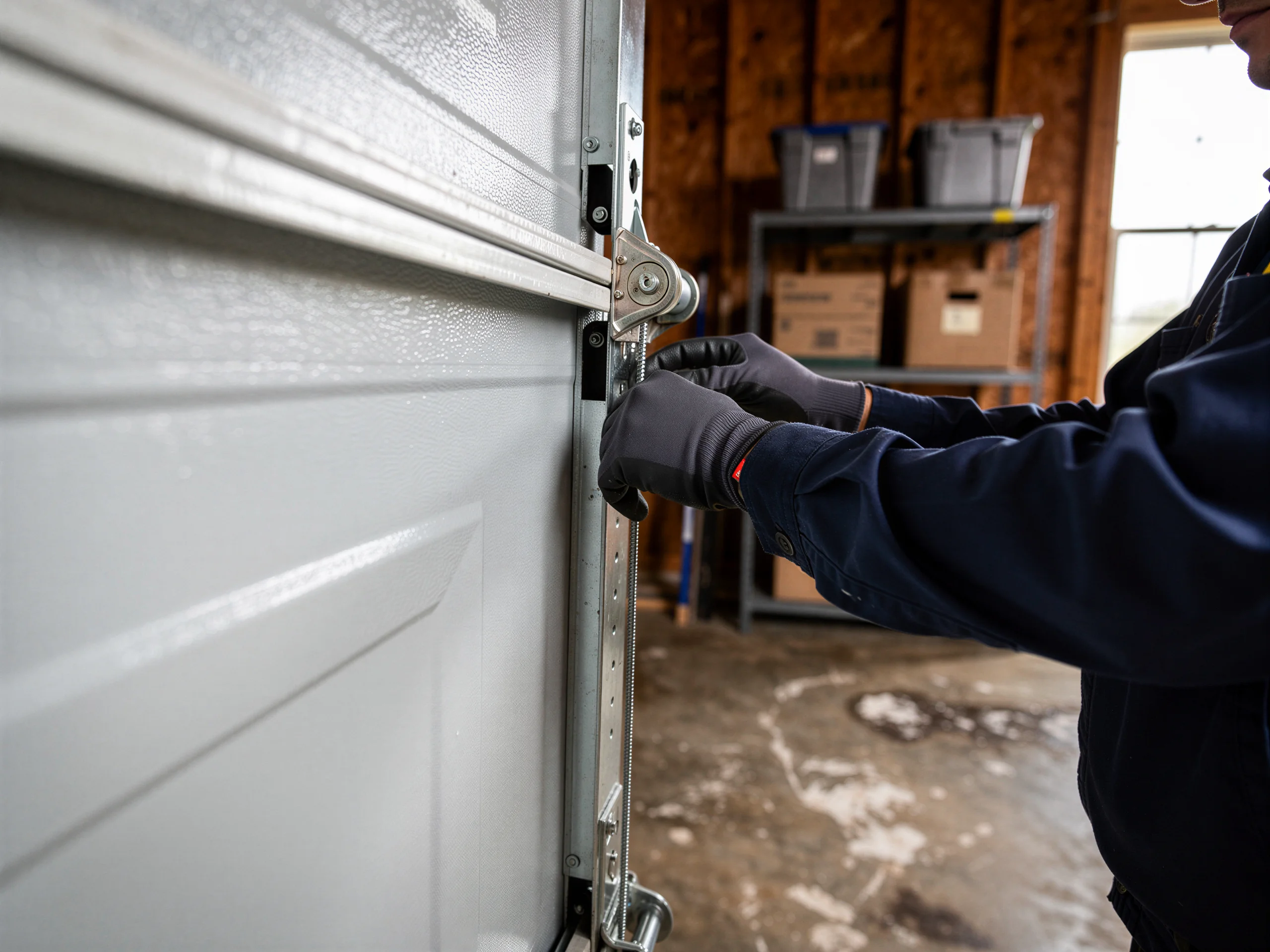
Norton Center homes built around 1981 are hitting 40+ years on original cable and drum hardware. Learn more →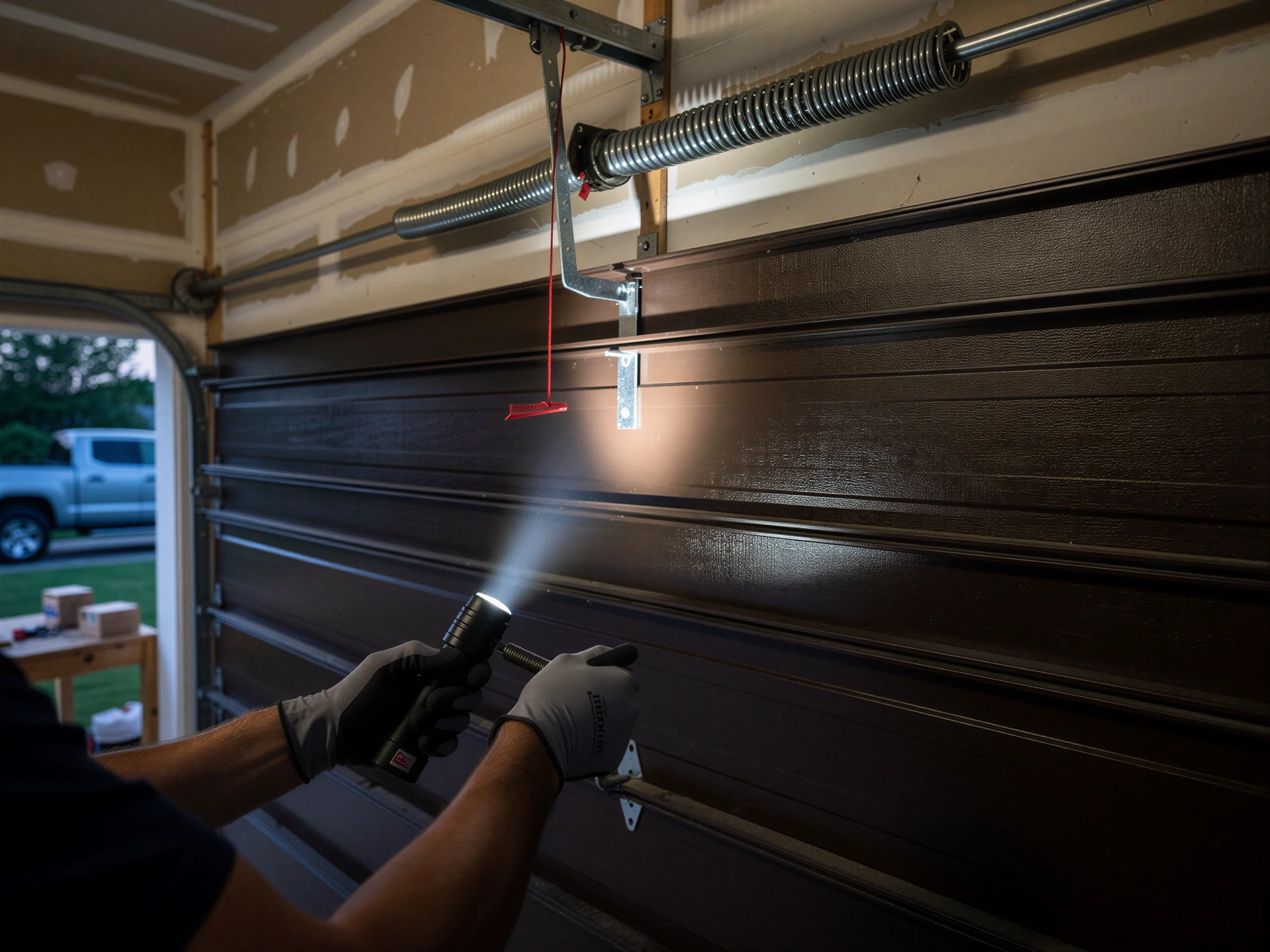
Emergency Garage Door
Norton Center homes mostly date to the early 1980s, which means a specific generation of doors and openers. Learn more →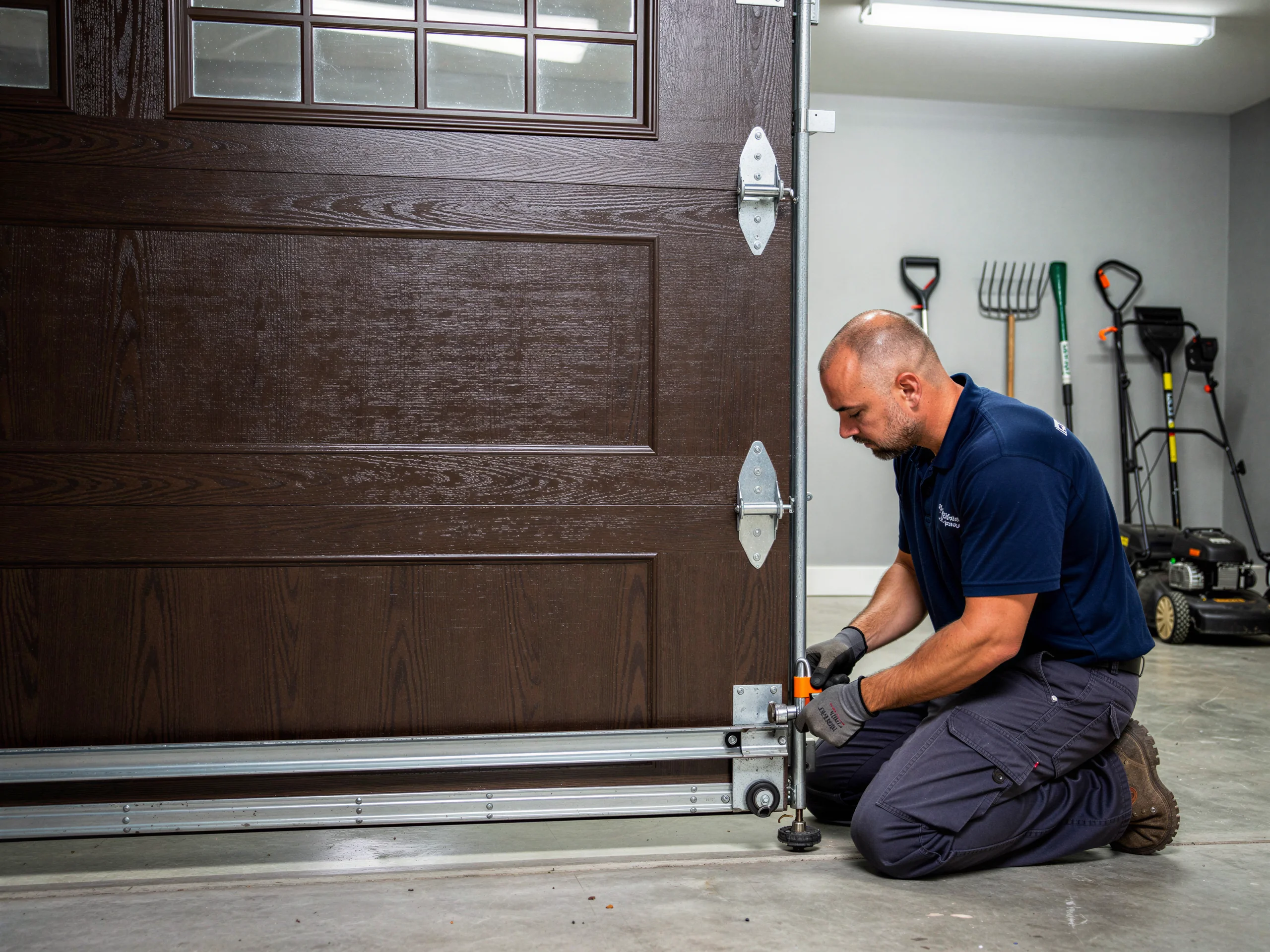
Garage Door Repair
Norton Center homes median around 1981, with a median household income of $114,051 - lower than the Attleboro service area average. Learn more →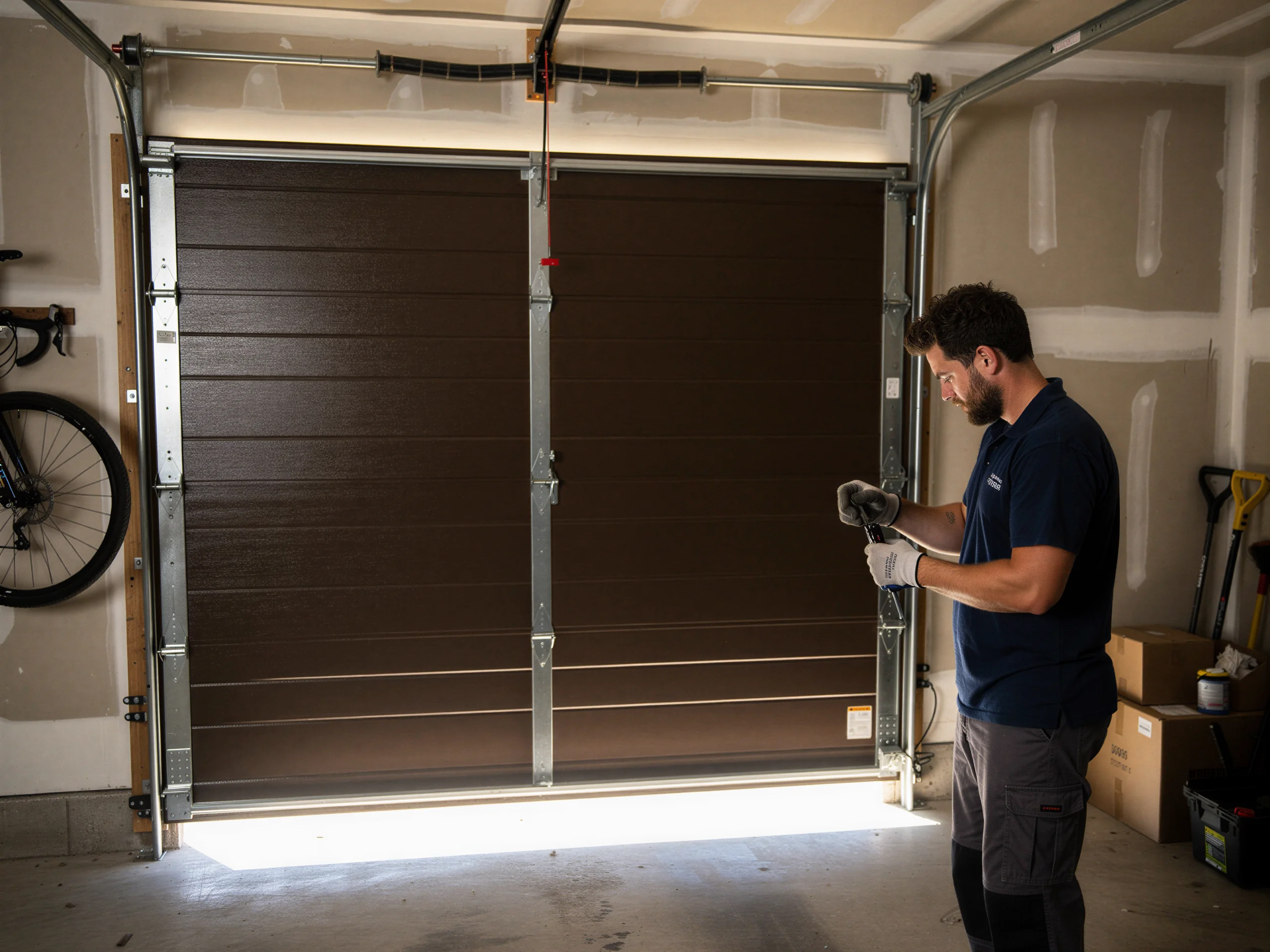
New Door Installation
New garage door installation in Norton Center, MA, where most houses date to the early 1980s. Learn more →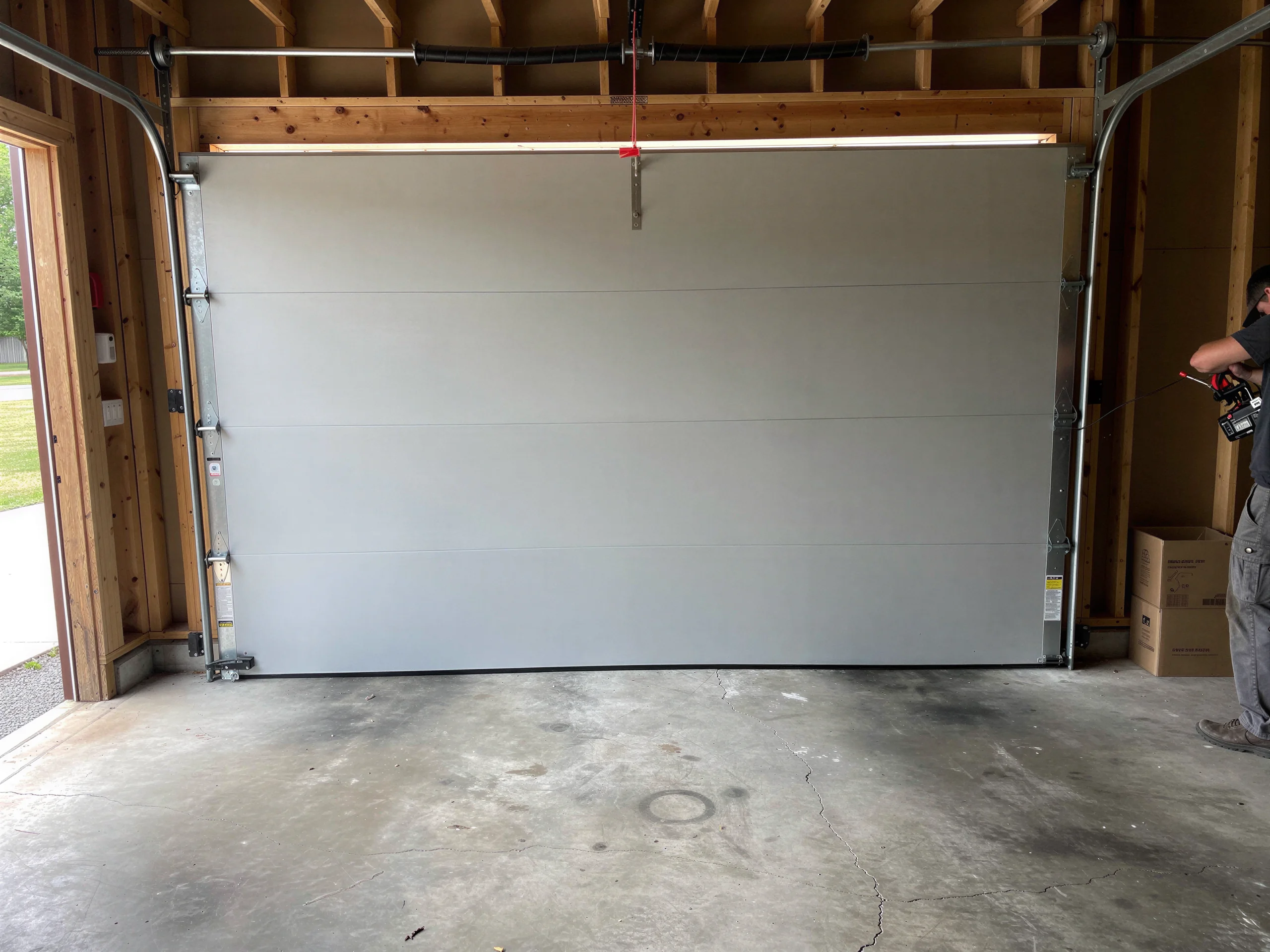
Off Track Repair
Norton Center homes went up around 1981 on steel roller track, and cold winters here walk doors off that track. Learn more →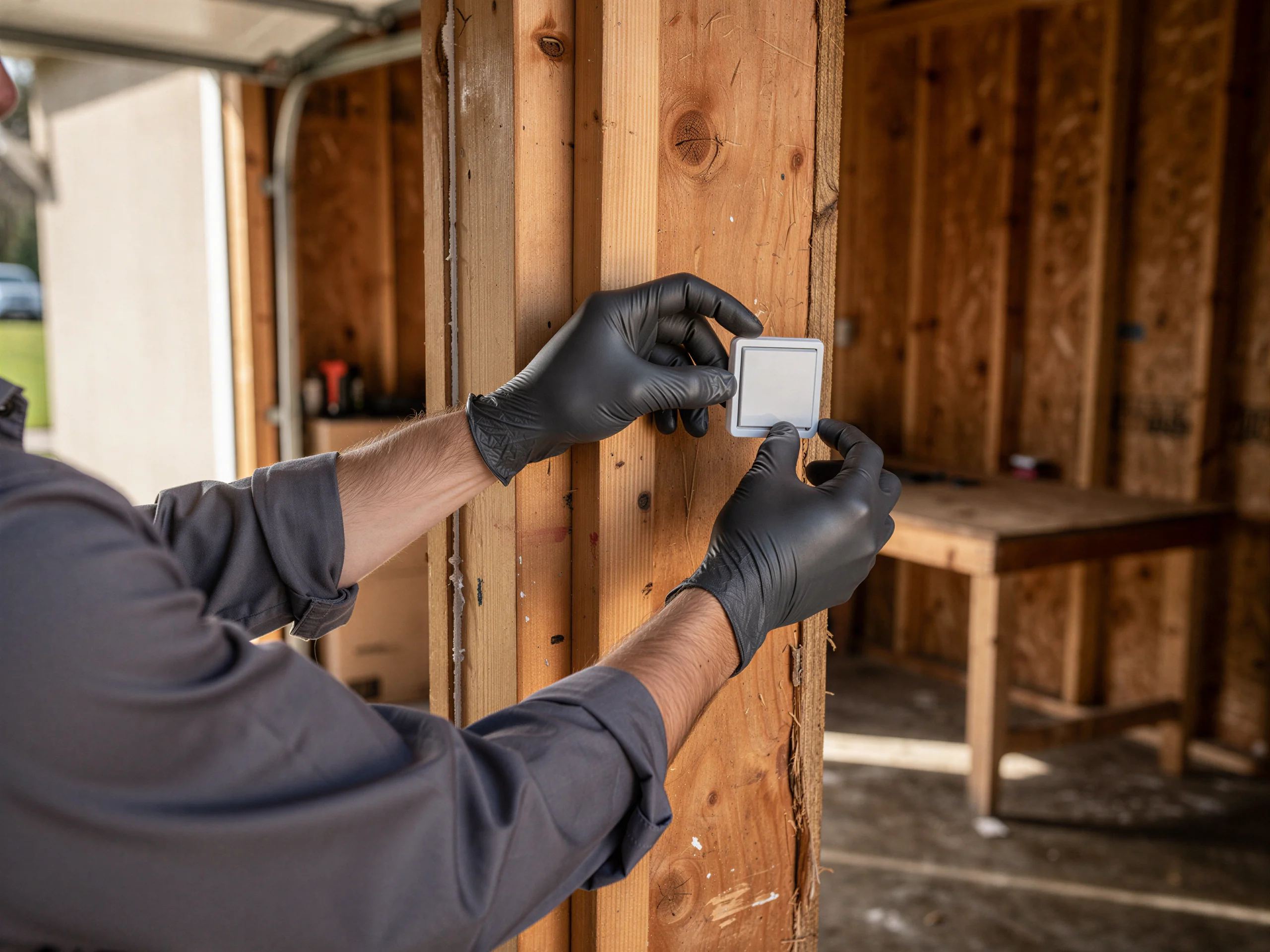
Opener Installation
Opener installs for Norton Center's early-1980s houses, run from our Attleboro shop six miles away. Learn more →
Roller Replacement
Norton Center homes mostly date to 1981, newer than much of the Attleboro area's stock, but cold-climate rollers still wear out. Learn more →Ready when you are
Need a garage door sorted in Attleboro?
Attleboro Garage Door Pros repairs and installs garage doors, springs and openers in Attleboro, MA and the surrounding area.