
Norton, Attleboro
What Breaks First in Norton's 1980s Garage Doors
Norton, MA homes built mostly in the 1980s bring different opener and spring faults than older Attleboro stock. Emergency repair service from 6 miles away.
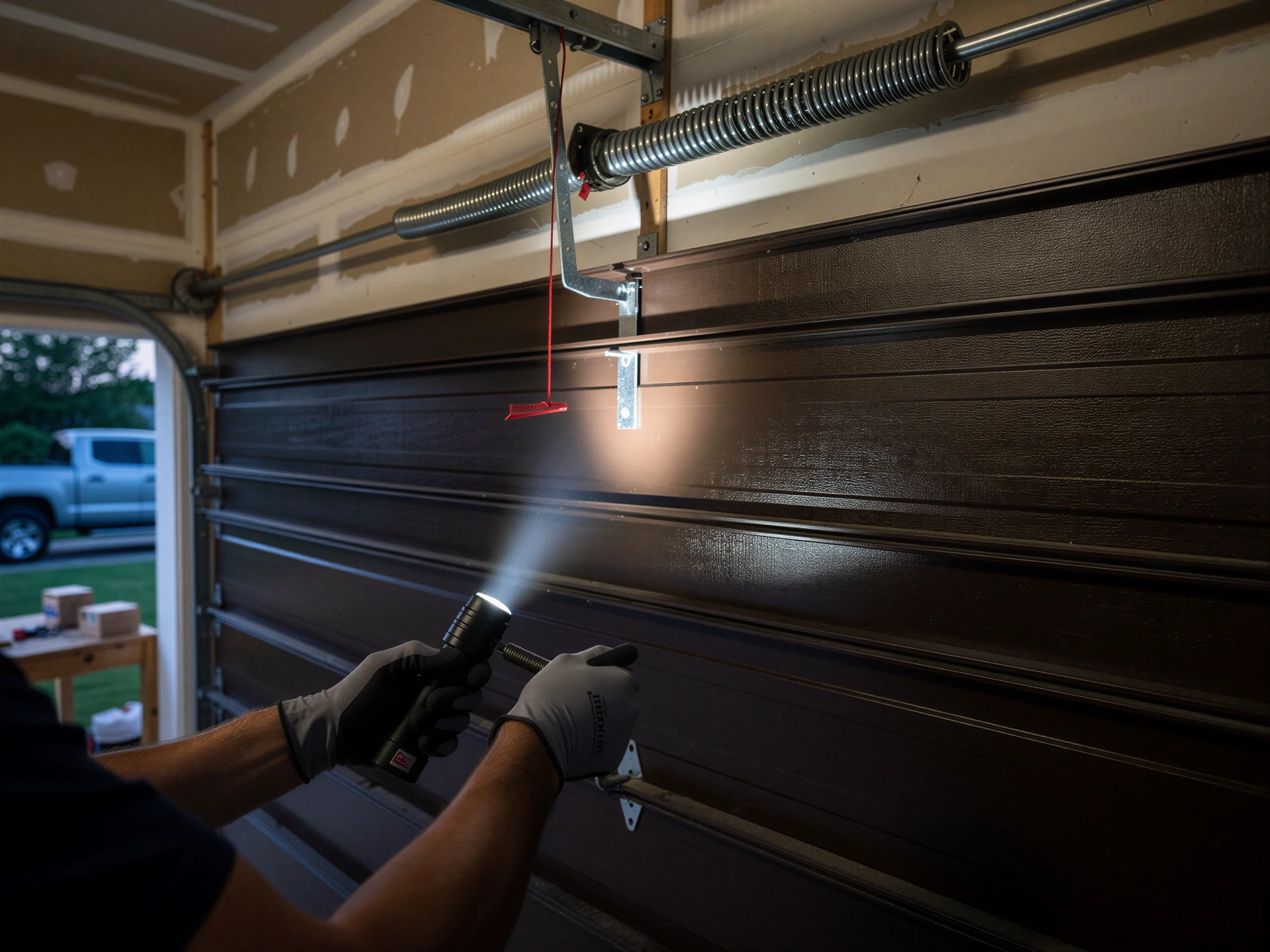
How Long It Takes
Norton has 6,558 households, which puts it well below the big towns in this service area and keeps the call volume on any given day fairly low.
Short queue, quick response
That matters for how a broken-spring call gets handled: there's no backlog of a dozen jobs stacked ahead of yours the way there can be in a denser town.
No standing Norton crew
We run out of Attleboro, six miles off, so the drive is short but it's still a drive - we don't keep a crew or a truck sitting in Norton waiting for the phone to ring.
Most fixes under two hours
When a torsion spring snaps or a cable jumps the drum, the job itself usually runs under two hours once a tech is on site: diagnose, source the matching spring or cable from the truck stock, swap it, balance the door, test the opener travel limits. The six-mile distance from Attleboro is the only wait built into this; the repair itself isn't the slow part.
What the Repair Takes
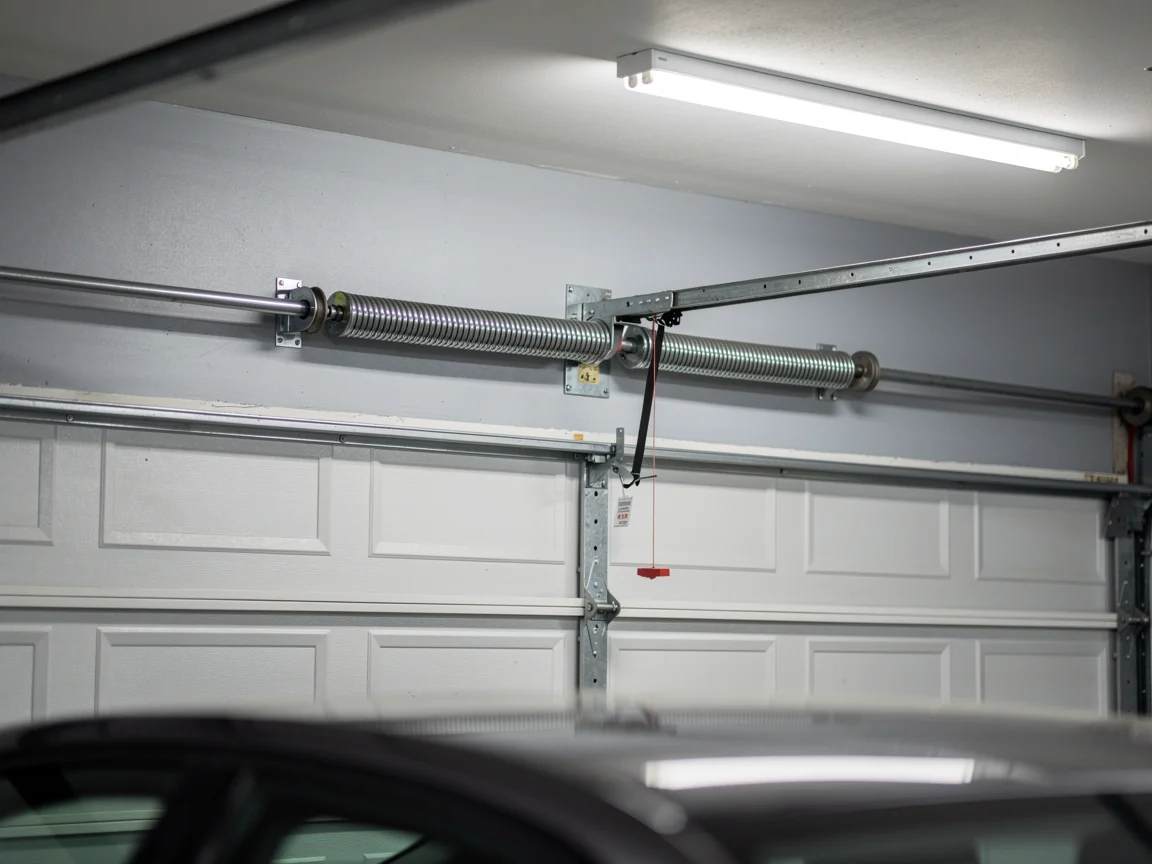
Most emergency calls break down into one of three jobs: a broken torsion or extension spring, a snapped or frayed lift cable, or an opener that's stopped responding because a safety sensor got knocked out of alignment or a gear in the drive head stripped. Norton's housing stock runs newer than a lot of the surrounding towns - median build year around 1983 against a region-wide median closer to 1975 - so a larger share of the doors here are still on their original torsion hardware rather than the older side-mounted extension setups you find in pre-1960s housing. That means the repair usually involves standard torsion spring sizing rather than hunting down obsolete extension spring cups. The door comes down, the old spring or cable comes off under control, the replacement goes on, and the door gets re-balanced so the opener isn't doing the lifting work the spring should be doing. A door that's out of balance is what burns out openers early, so balancing is never skipped.
Why This Fails Locally
This area sits in a cold-climate zone with severe winter conditions, and that's the part that actually drives most of the emergency calls, not age of the door by itself. Steel contracts in deep cold, torsion springs lose a little tension, and a spring that was already near the end of its cycle count often picks the first hard freeze to go. Norton's housing, built mostly from the 1960s through the early 1990s across this area, has had decades of that same freeze-thaw cycle working on galvanized spring coating and on track brackets anchored into slabs that shift slightly each winter. A door built in 1983 isn't old in the way a 1940s door is old, but it's old enough that the factory spring is long past its rated cycle life if it's never been replaced. Combine a tired spring with a cold morning and you get the 6 a.m. call where the door won't budge and the opener just hums.
How It Shows Up
The most common version: the door won't move at all, and the opener motor runs but the door stays put - that's almost always a broken spring, not a dead opener.
Bang then refused lift
A loud bang from the garage followed by the door refusing to lift is a spring letting go, sometimes with one cable still holding one side up, which is dangerous to touch and should wait for a tech.
Stalls or reverses midway
A door that lifts partway then stalls or reverses on its own is usually a sensor misalignment or a worn drive gear, not a spring. Cables that look frayed or kinked at the bottom roller are on borrowed time even if the door still moves.
Fading spring, heavier feel
A door that's noticeably heavier to lift by hand than it used to be is telling you the spring has already lost tension and full failure is coming, just not today.
What Is on the Truck
The truck stock is built around what actually breaks: torsion springs in the common residential sizes for standard 7-foot and 8-foot double and single doors, the matched cable sets that go with them, a range of nylon and steel rollers, and the sensor and gear-head parts that cover most chain and belt drive openers installed from the 1980s through now. What isn't on the truck is anything obsolete - if a door still has its original 1960s-era extension spring hardware with cups and pulleys nobody manufactures anymore, that's a parts-order situation, not a same-visit fix, and we'll say so rather than jury-rig something that won't hold. Most Norton calls don't hit that wall given the newer housing stock here, but it does happen on the handful of older properties mixed into any town this size.
The DIY Question
Replacing a torsion spring yourself is the one repair on this list we'd talk you out of. The spring is wound under enough tension to break bones or worse if the winding bar slips, and the tools to do it safely aren't things most garages have lying around. Cable replacement carries the same risk since the cable is under load from the spring system. What's fine to do yourself: clean and lubricate rollers and hinges, check and tighten loose bolts on the track brackets, test the auto-reverse safety feature by setting a piece of wood under the door and making sure it reverses on contact. If the door is visibly off its track or a spring has already broken, stop and call rather than forcing it - a door on an uneven lift can jump the track entirely and that turns a repair into a replacement.
Questions
Common questions
How far out does Attleboro Garage Door Pros travel for an emergency call in Norton?
Norton is about six miles from Attleboro, and that's the distance the truck covers for every call here - there's no separate branch or crew based in Norton itself. The drive is short, but it's worth knowing we're coming from Attleboro, not already parked down the street.
Are Norton's garage doors different from older towns nearby?
Yes. Norton's housing runs newer on average, with a median build year around 1983, compared to a region-wide median closer to 1975. That means more standard torsion spring setups and fewer of the older extension-spring systems that show up in pre-1960s housing stock elsewhere in this area.
Why do springs break more in winter here?
This area sits in a cold-climate zone with severe winter conditions. Steel springs lose tension as they get cold, and a spring that's already near the end of its cycle life often fails on the first hard freeze rather than during a mild stretch of weather.
Can I replace a broken spring myself to save time?
We wouldn't recommend it. A torsion spring is under enough tension to cause serious injury if the winding bar slips, and most homeowners don't have the specific tools for it. Cleaning rollers, tightening track bolts, and testing the auto-reverse safety feature are all safe to do yourself.
Explore more
More Services in Norton
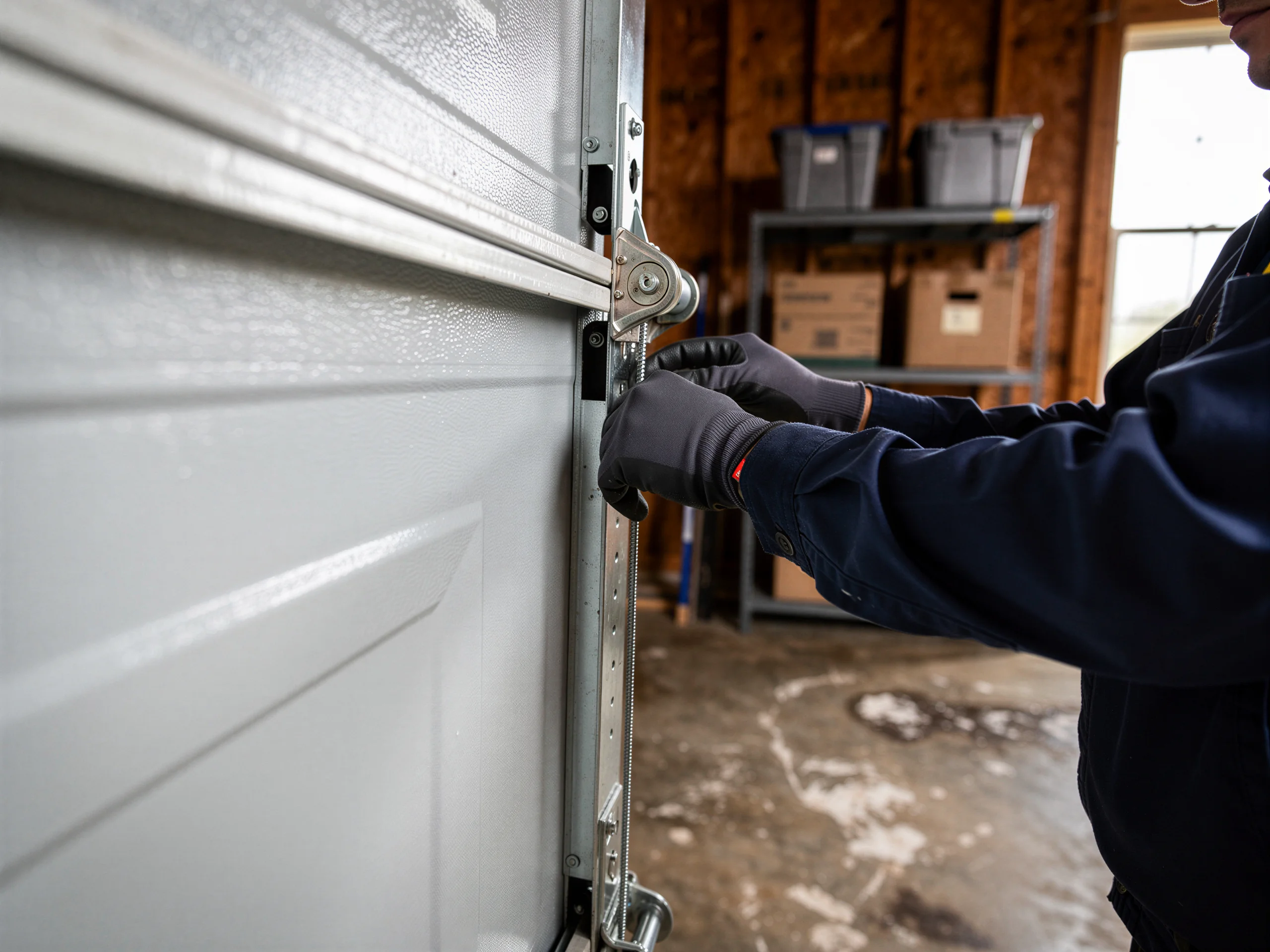
Cable Repair
Attleboro Garage Door Pros drives the 6 miles to Norton for broken or frayed cable repairs on the 1970s-90s doors that make up most of this town's housing stock. Learn more →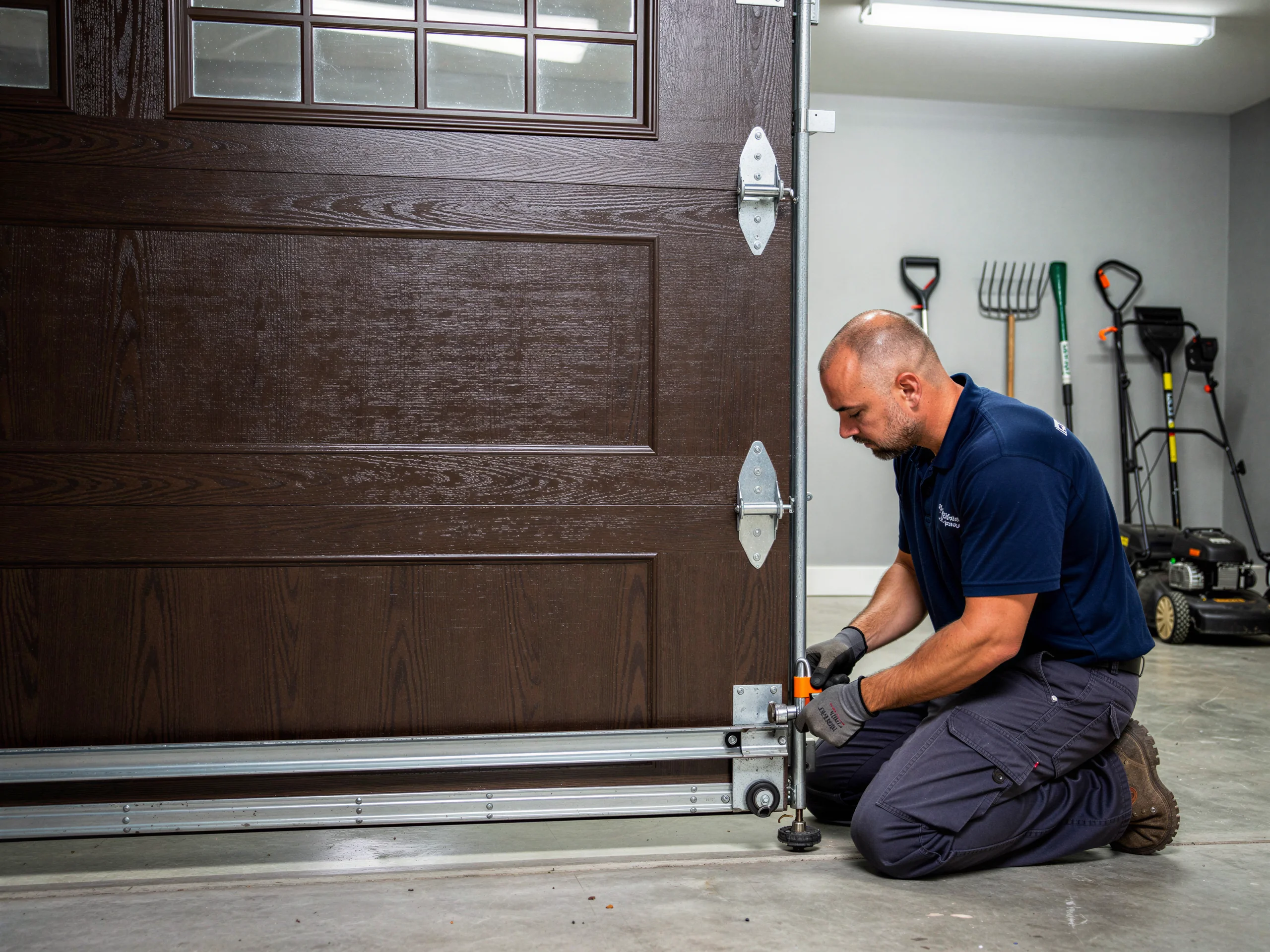
Garage Door Repair
Norton homes mostly went up around 1983, a decade past the service area's 1975 median - different hardware, different failure. Learn more →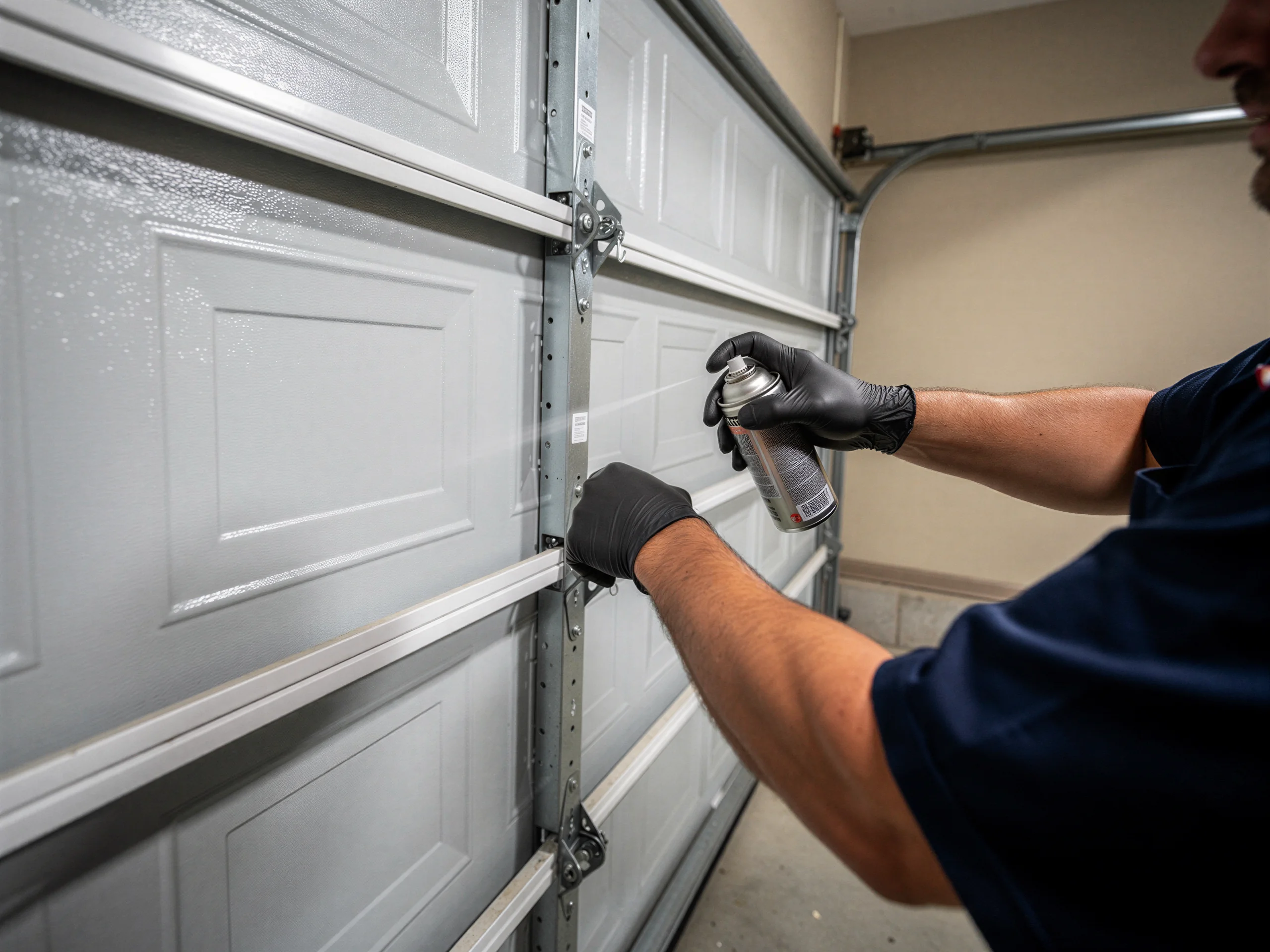
Garage Door Service
Garage door repair and service for Norton, MA, built out mostly in the early 1980s. Learn more →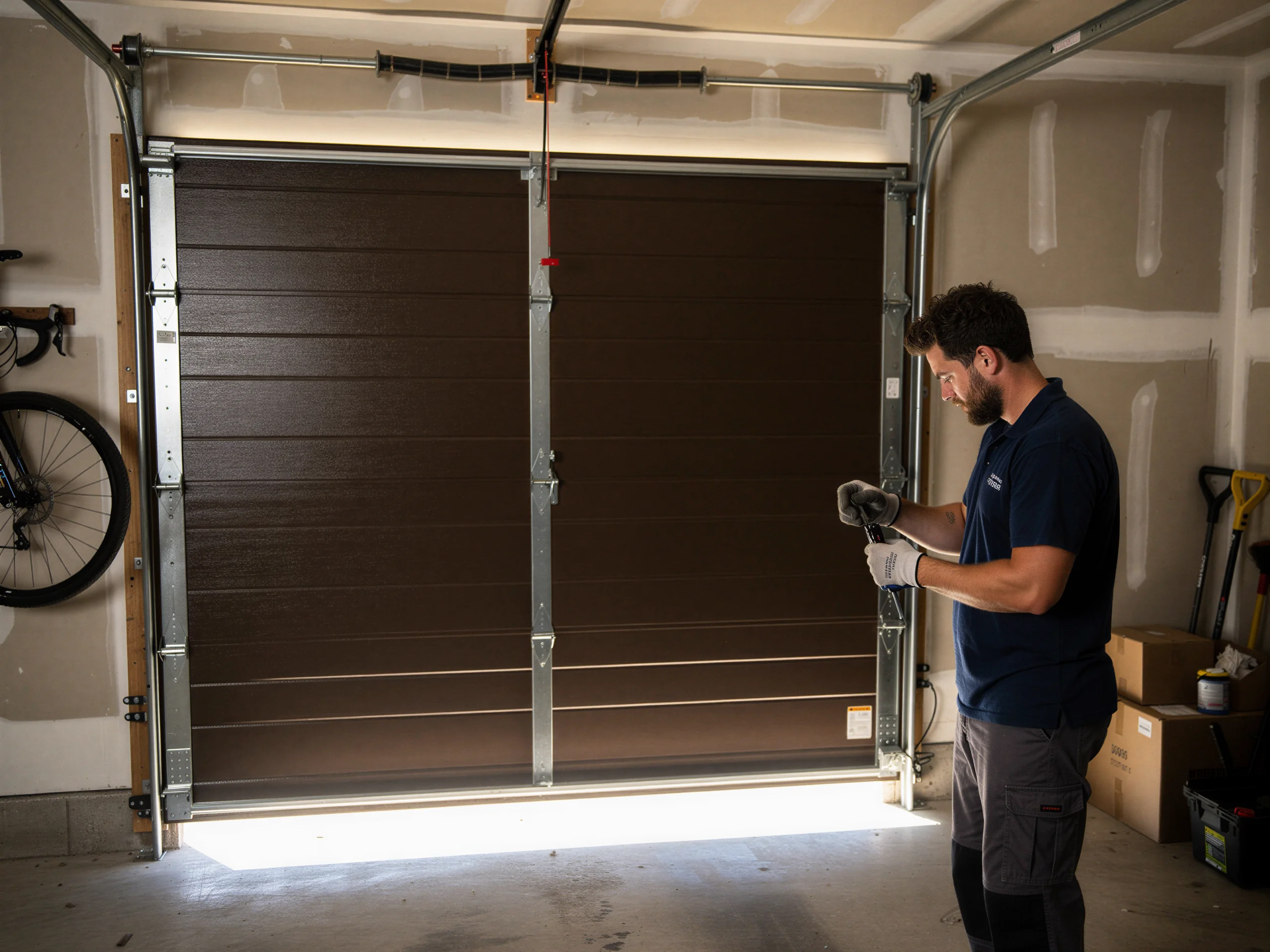
Opener Installation
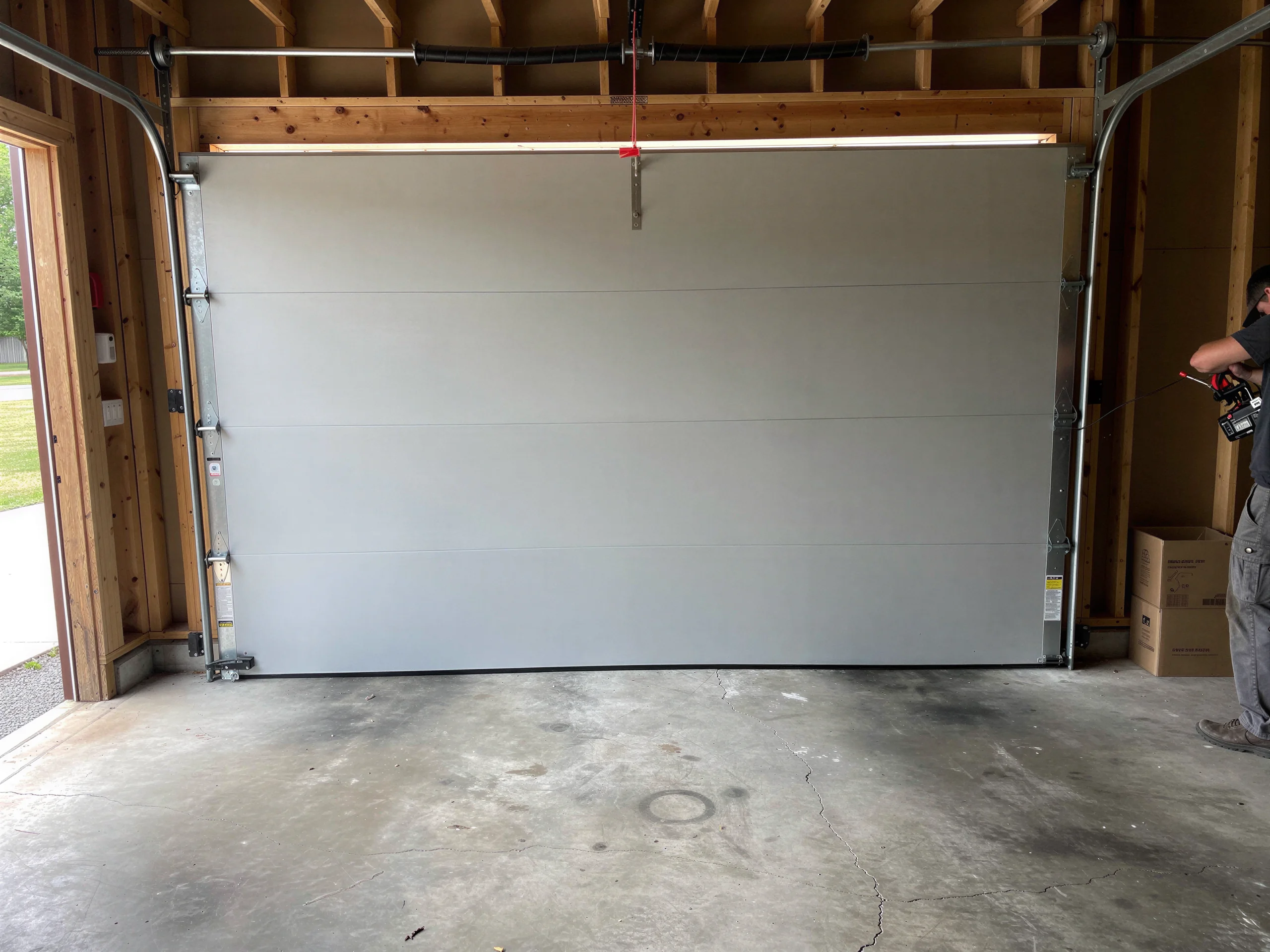
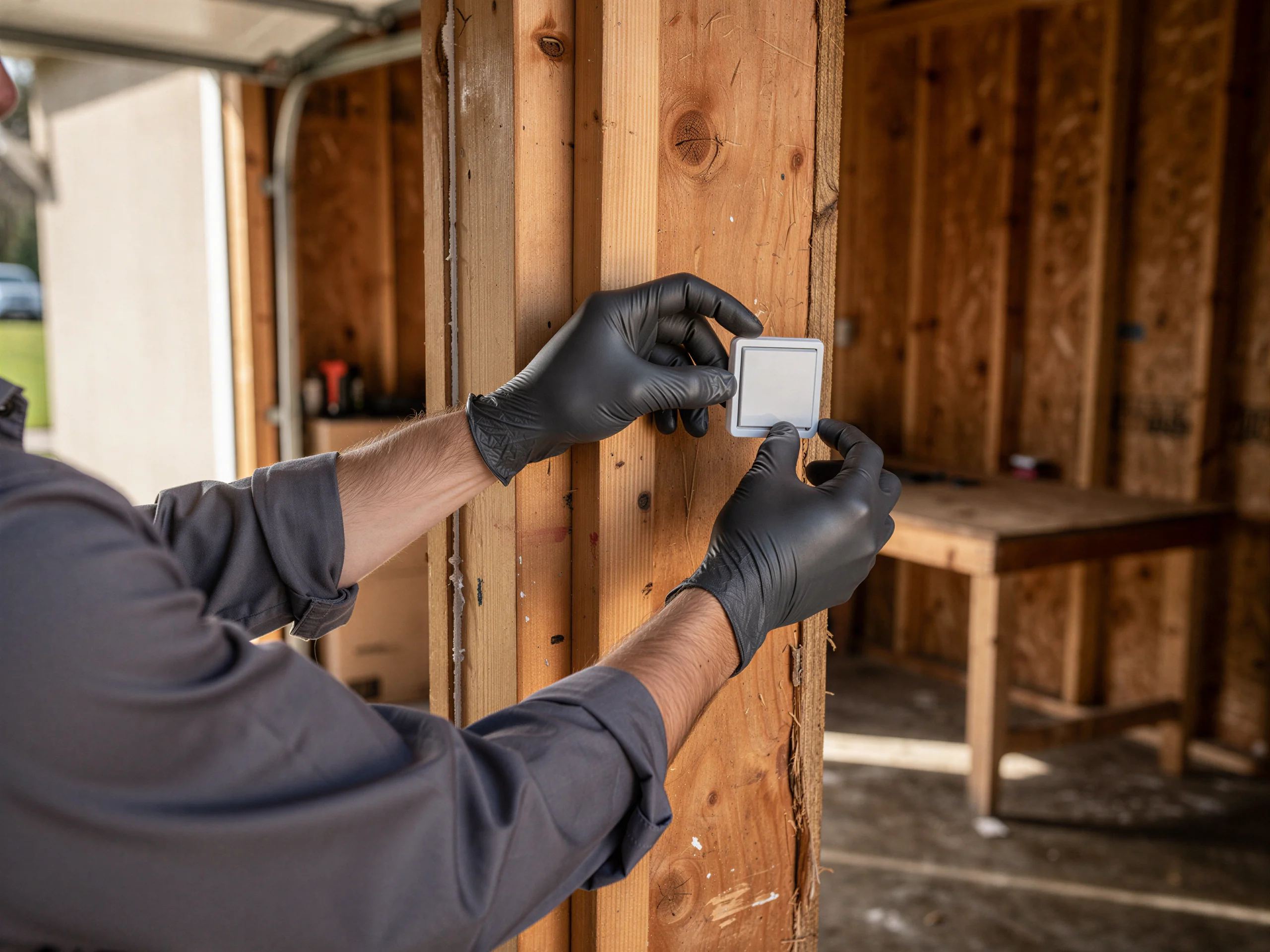
Norton homes were mostly built around 1983, a decade newer than the rest of the service area. Learn more →
Roller Replacement
Norton's doors mostly date to the early 1980s, right as steel rollers went from ball-bearing to cheap builder-grade. Learn more →Ready when you are
Need a garage door sorted in Attleboro?
Attleboro Garage Door Pros repairs and installs garage doors, springs and openers in Attleboro, MA and the surrounding area.