
Plainville, Attleboro
Roller Replacement for Plainville's Late-1970s and 1980s Garage Doors
Plainville's garage doors mostly date to around 1980, later than much of the surrounding area. We swap worn rollers on steel track built for that era, traveling the 6 miles from Attleboro.
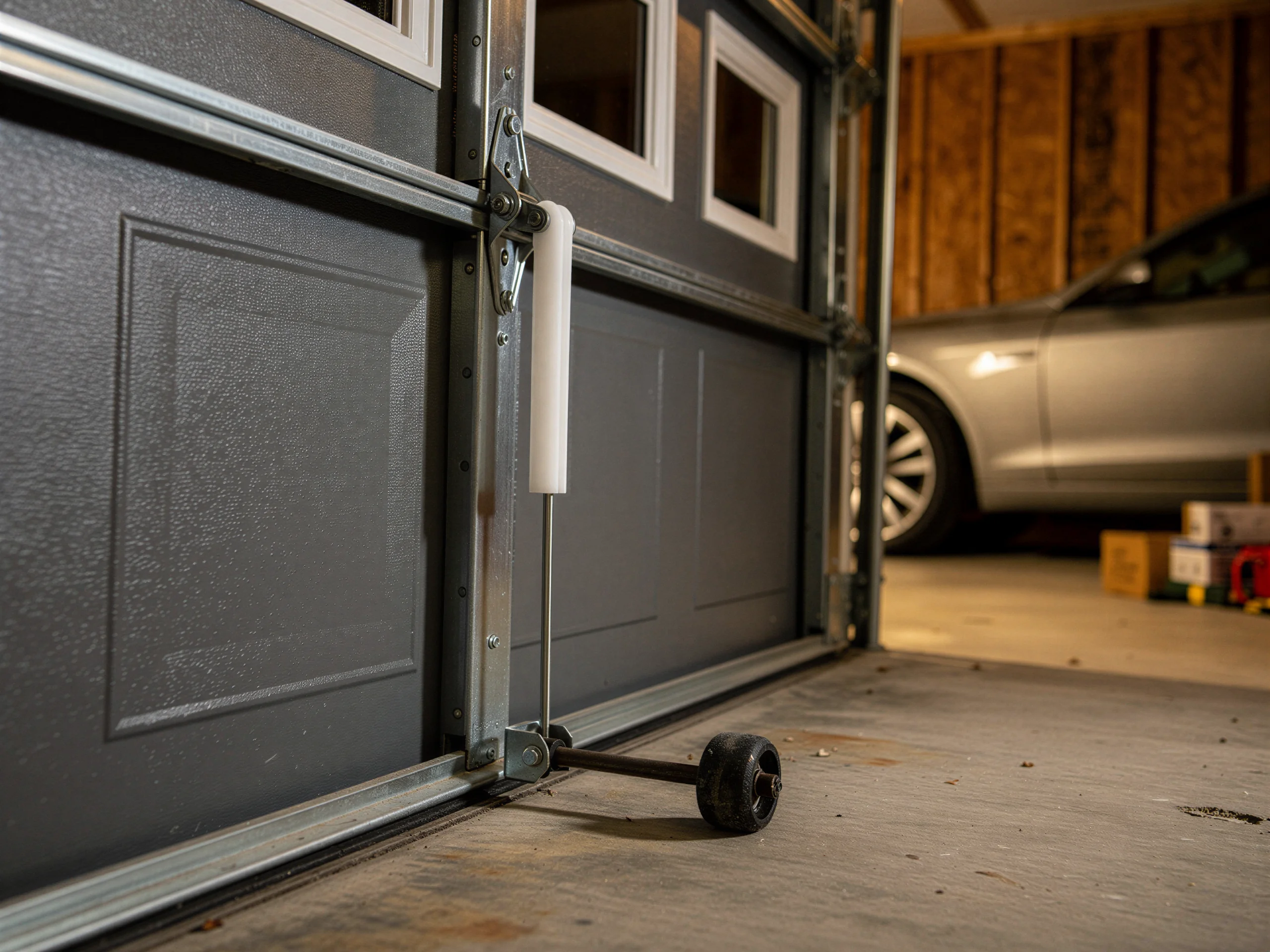
What the Repair Takes
Plainville's housing stock centers on 1980, which puts it on the newer edge of a service area where the median build year is closer to 1975.
Dozen rollers per door
That matters for roller work because a door from this era is almost always a steel sectional panel riding on steel vertical track, hung with ten to twelve rollers per door rather than the lighter aluminum doors you'd see on anything built before the 1960s. The stems on those original rollers are usually plain steel or early nylon, neither of which holds up forever on a track that's been exposed to forty-plus winters.
Piecemeal roller removal
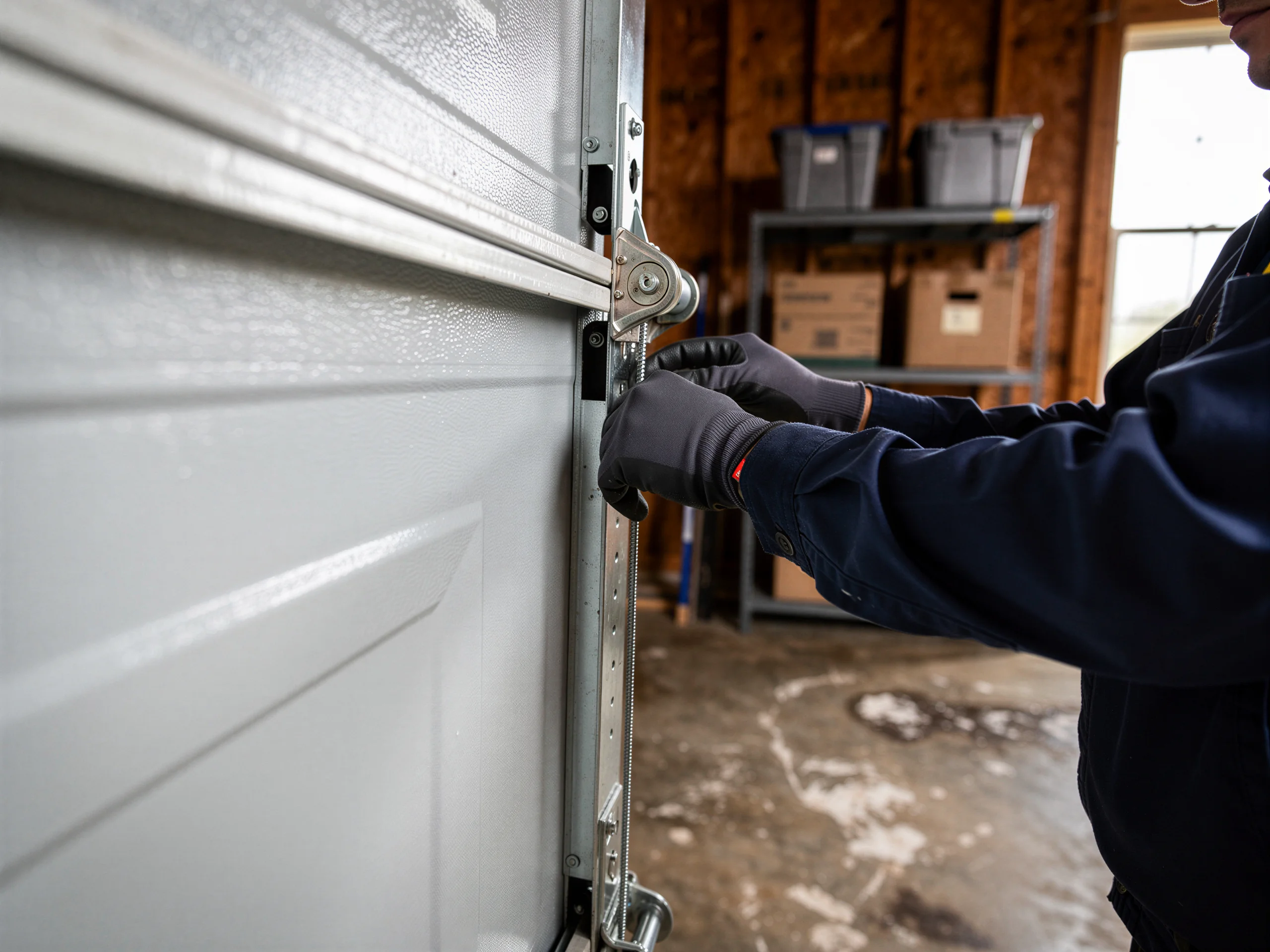
The job itself is straightforward once we're on site: pull the old rollers one at a time, working around the door so it never comes fully loose from the track, check each track section for bowing or rust pitting where a cracked roller has been grinding metal-on-metal, and set new rollers with sealed bearings in their place.
Straighten track before rollers
If the track itself is bent from a roller that seized years ago, that gets straightened or swapped before new rollers go in, because new rollers on a bad track just wear out again in a season.
Panel failure is separate
We don't rebuild the whole door on a roller call. If the panels themselves are failing - rust-through, delamination, a section that's cracked - that's a separate conversation, not something we fold into a roller swap.
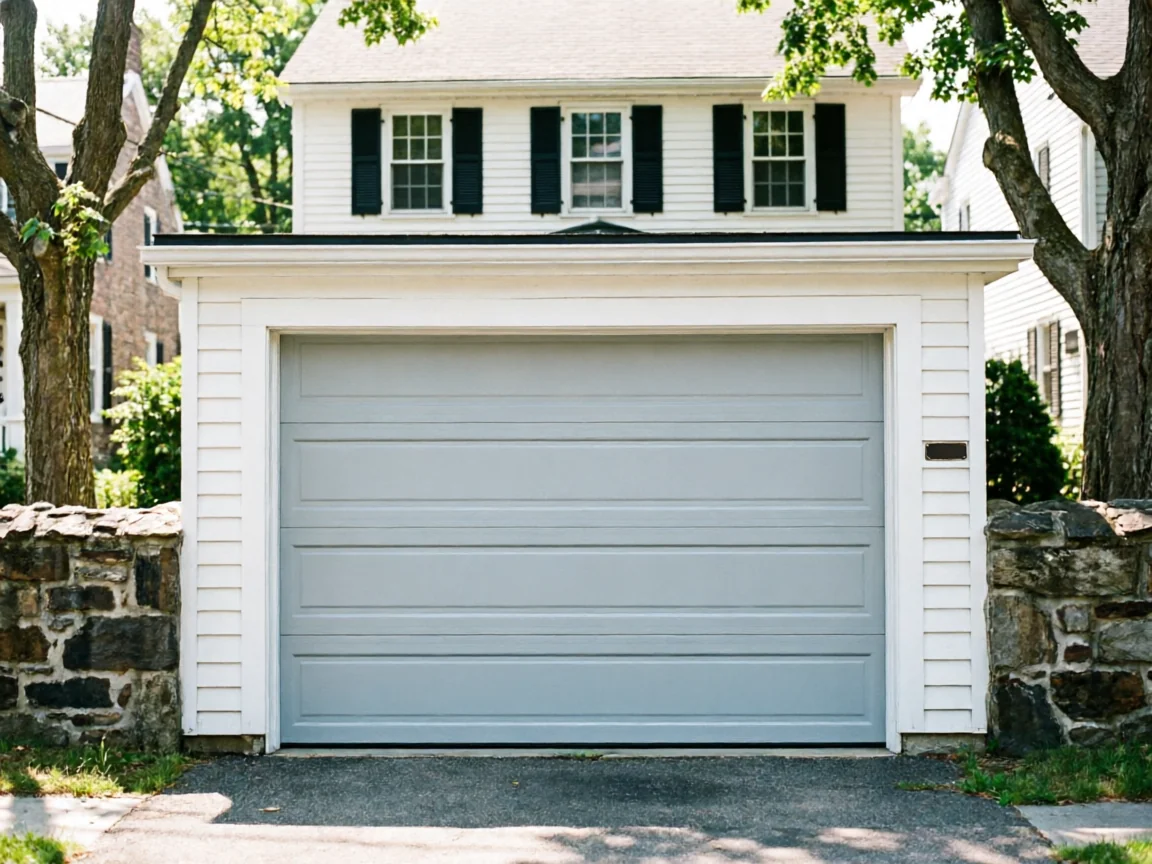
How It Shows Up
On a door built around 1980, the first sign is usually noise before it's a stuck door - a grinding or popping sound as the door travels, loudest right where a specific roller has worn down enough that its bearing is gone and it's riding on bare steel.
Visible side wobble
You'll often hear it worse on the first open of a cold morning, before anything's had a chance to loosen up. The next stage is visible wobble. Watch the door from the side as it moves and you'll see it shudder or lean at the point where the worn roller sits, instead of tracking smooth and flat.
Extra current draw
Some owners notice the opener straining harder, pulling more current to move a door that should be moving the same as it always has, because a dragging roller adds resistance the motor has to fight.
Jumped track, dead door
Left alone long enough, a roller that's cracked can jump the track entirely, which usually means the door won't move at all until someone's out to reset it back into the channel. That's the point where what started as a quiet roller job turns into an after-hours call, which is exactly why catching the grinding early is worth the trouble.
What Is on the Truck
For a roller job on a door from Plainville's era, the truck carries both 7-ball steel rollers and sealed-bearing nylon rollers, since which one makes sense depends on what the door was built with and how much noise the owner's willing to live with - nylon runs quieter, steel holds up slightly better in a garage that sees heavy daily use.
Short track lengths stocked
We also carry short sections of standard track, because a track section that's taken damage from a dead roller sometimes needs replacing rather than straightening. What we don't carry is every non-standard track profile.
Unusual track ordered in
Plainville's doors from this period mostly use common residential track widths, but if a door was custom-built or retrofitted with something unusual, that part may need to be ordered rather than pulled off the truck that day - which means a second trip from Attleboro instead of one.
Winter-grade lubricant
We also carry lubricant rated for cold use, since a lithium grease that's fine in July can stiffen up and do more harm than good once temperatures drop the way they do here in winter.
How Long It Takes
A straight roller swap on a single door, with no track damage, generally runs under two hours once we're set up. Add bent track or rollers that have worn unevenly on both sides of the door, and it stretches longer because each section has to be checked and adjusted individually rather than swapped as a set.
We travel the roughly 6 miles from our Attleboro base to reach Plainville, so plan the visit around that drive rather than expecting a walk-up same-hour fix - we don't keep a branch or stock point in town itself. For most households here, scheduling the job for daylight hours makes the inspection easier, since spotting a hairline crack in a roller or a slight bow in the track is easier to see in good light than under a garage bulb.
Questions
Common questions
How do I know if it's the rollers and not the opener?
If the door grinds or shudders while moving but the opener itself sounds normal and the door eventually gets where it's going, that points to rollers or track rather than the motor. If the opener strains, reverses, or won't engage at all, that's a different problem, and we'd check the opener alongside the rollers rather than assume one or the other.
Can you match the original rollers on a door from 1980?
We carry standard steel and nylon rollers that fit the track widths common on houses from that era in Plainville. We don't keep every discontinued roller style on the truck, so if a door has a non-standard track profile, that part may need to be ordered before we can finish the job.
Do cold winters here actually wear out rollers faster?
Cold, dry air stiffens grease and makes plastic and nylon components more brittle, so a roller that's already partway worn tends to fail sooner in winter than it would in a milder climate. That's part of why we stock cold-rated lubricant rather than a standard summer grease.
Is it worth replacing just the worst roller instead of the whole set?
If the door is otherwise in good shape and only one or two rollers show wear, we'll replace just those rather than push a full set you don't need. If most of the rollers are close to the same age and condition, which is common on an original 1980 door, doing them all at once usually makes more sense than coming back in six months for the next one.
Explore more
More Services in Plainville
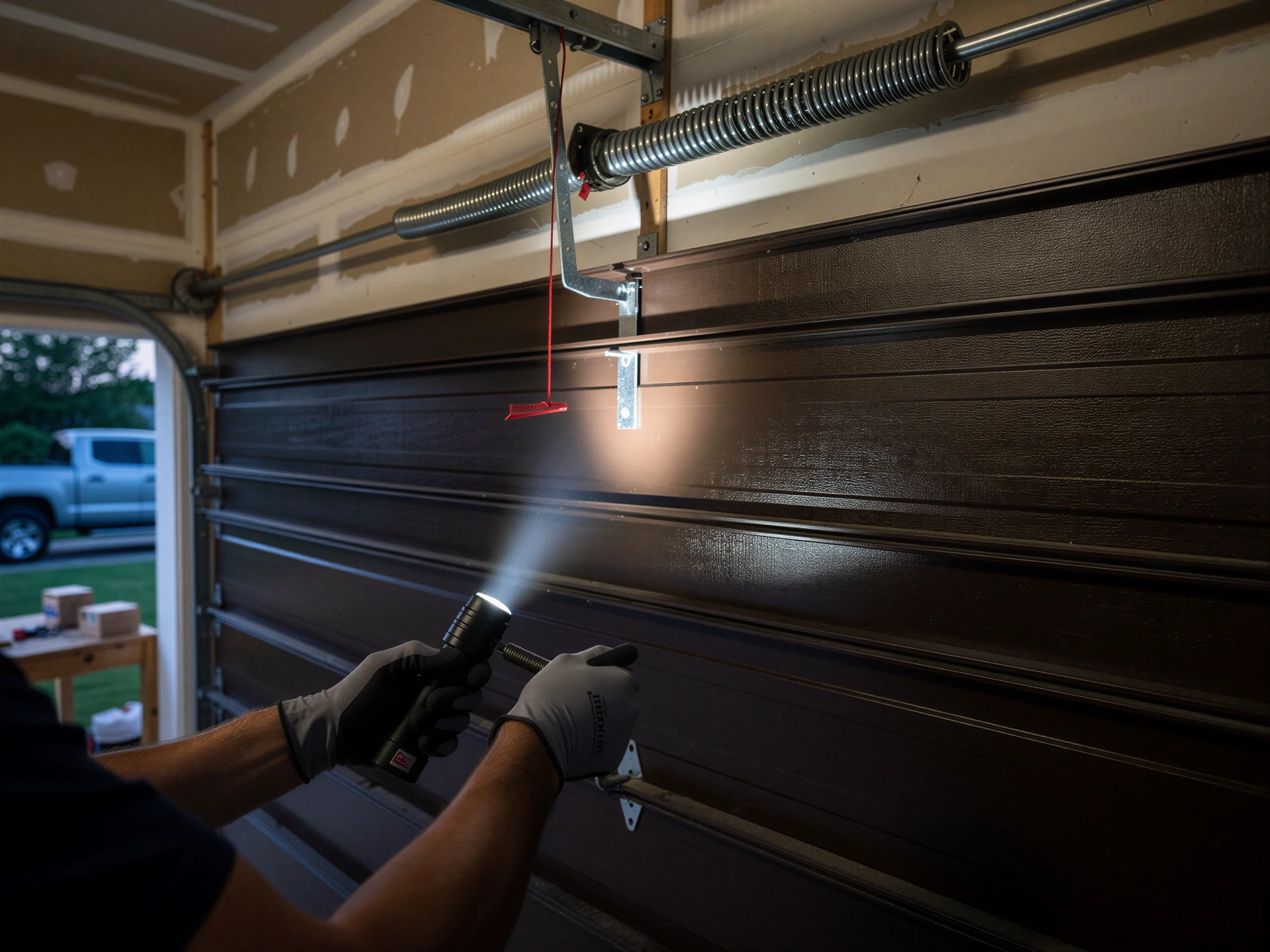
Emergency Garage Door
Plainville's 1980s homes face garage door trouble fast in cold New England winters. Learn more →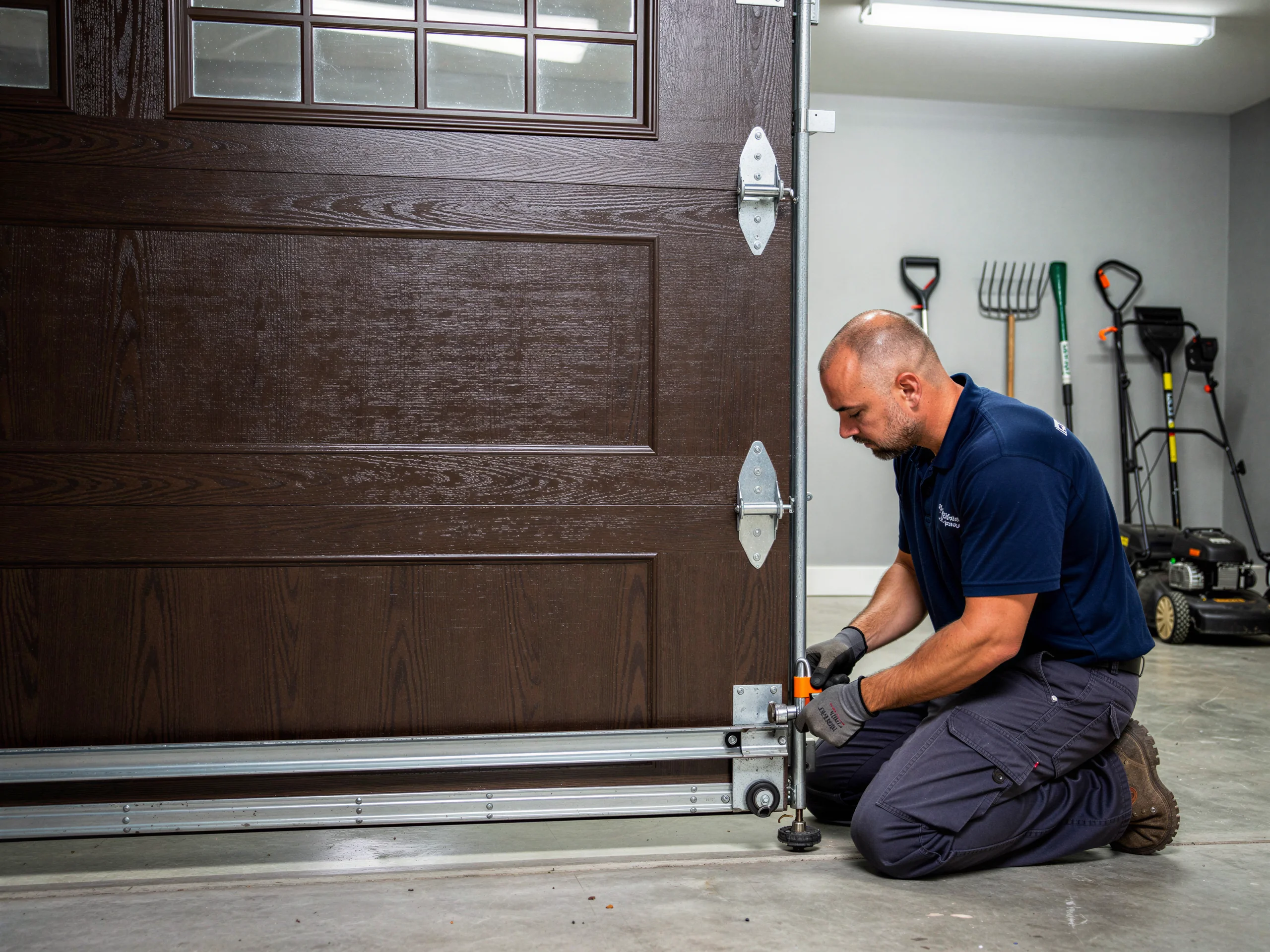
Garage Door Repair
Plainville homes mostly date to 1980, right when steel sectional doors and chain-drive openers took over from wood. Learn more →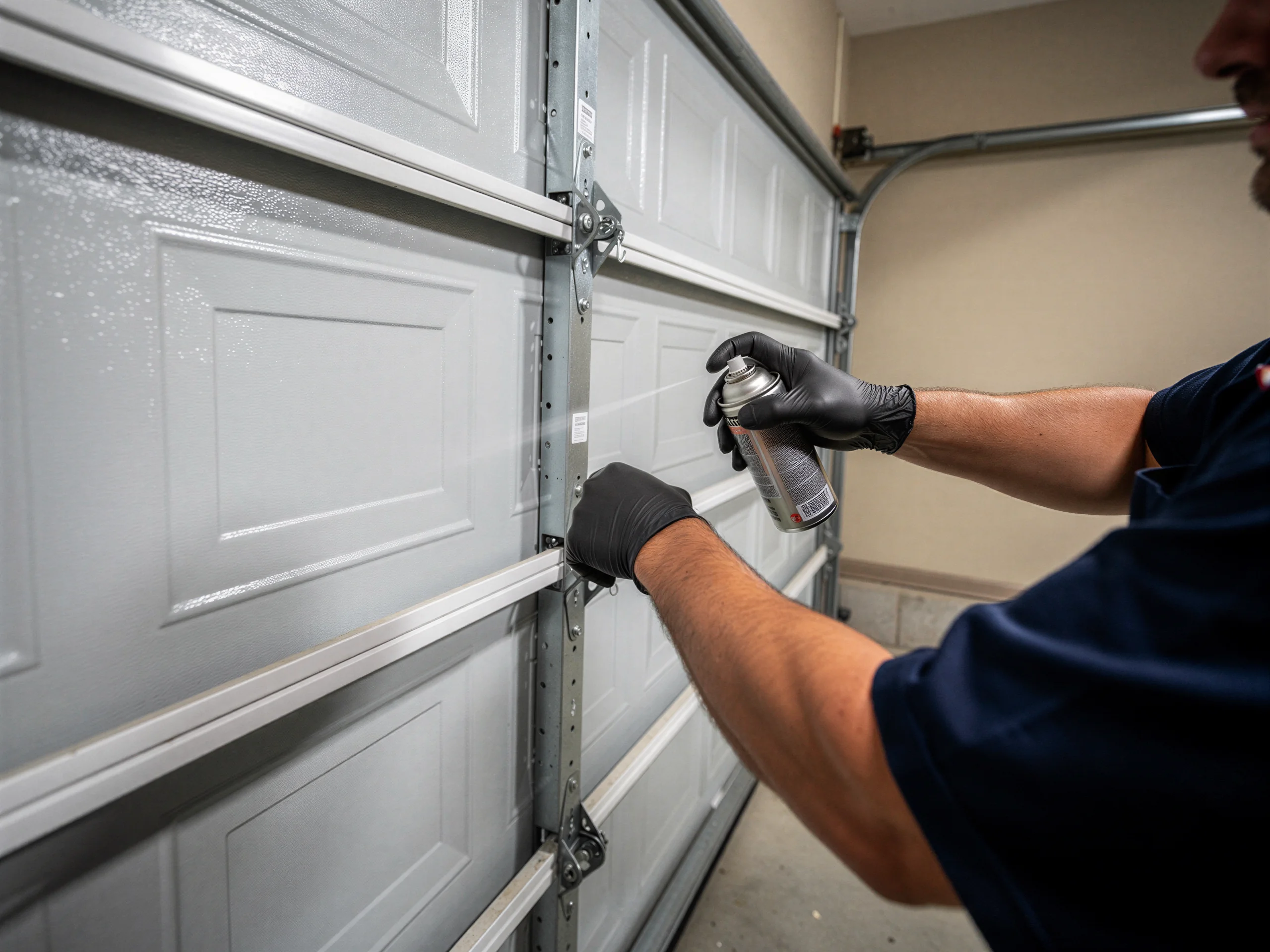
Garage Door Service
Garage door repair and service for Plainville, MA, covered from our Attleboro truck six miles out. Learn more →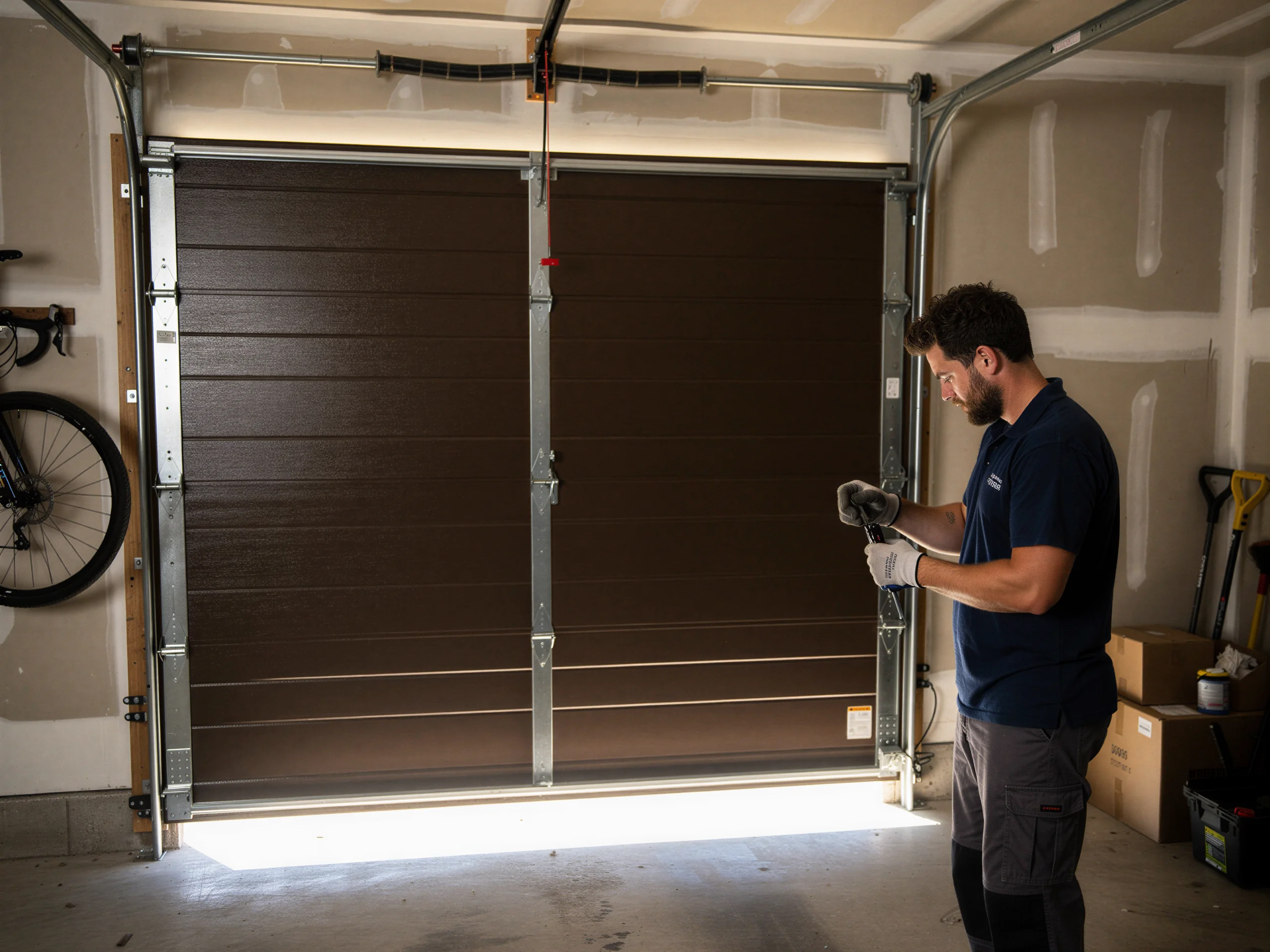
New Door Installation
Plainville runs about 4,200 households, smaller than the wider service area, with doors mostly dating to 1980. Learn more →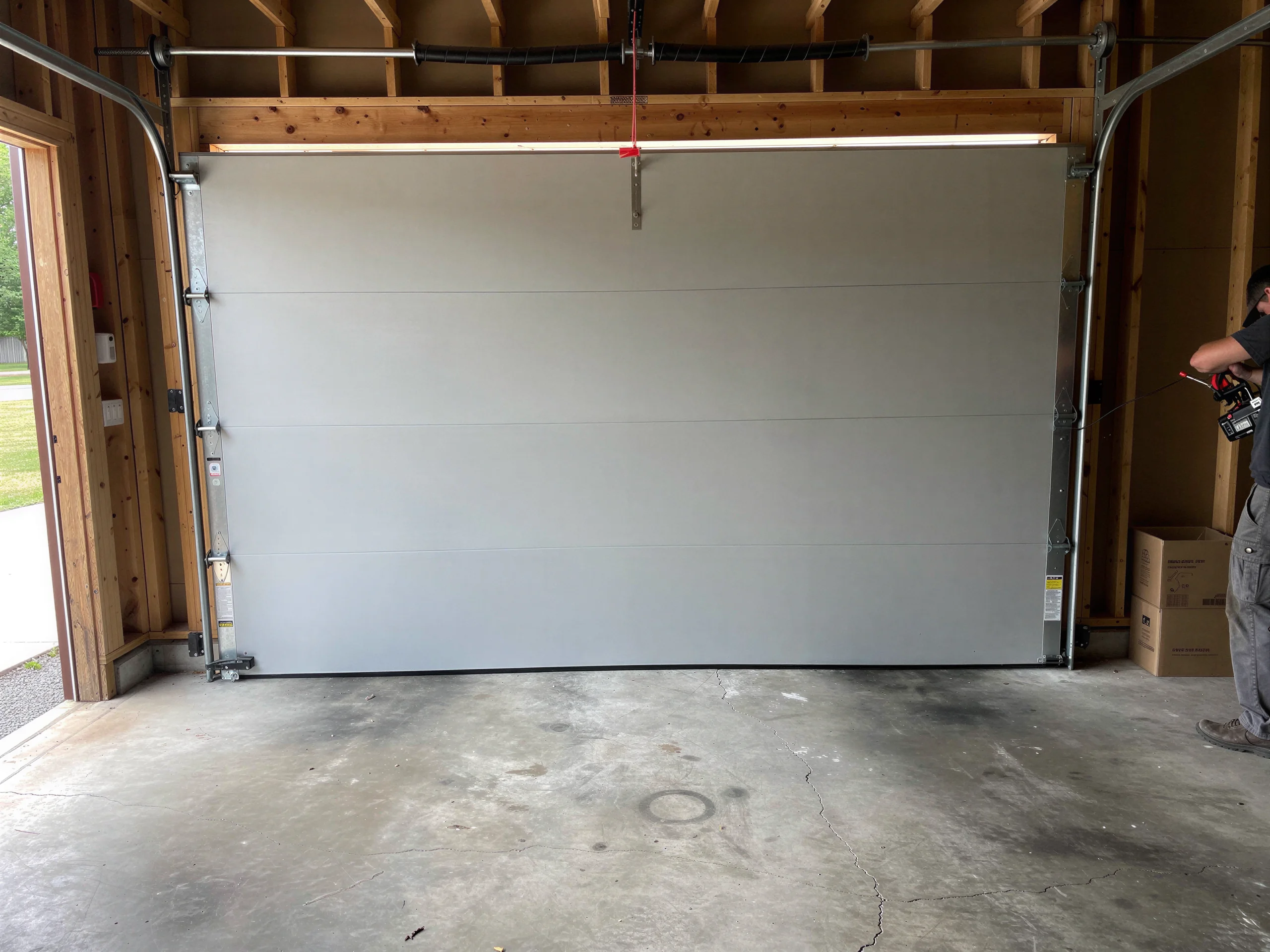
Off Track Repair
Plainville's doors mostly date to 1980, and extension-spring track hardware from that era jumps the rail easier than newer torsion setups. Learn more →
Opener Installation
Opener installs in Plainville, MA, where most houses date to 1980 and the original chain-drive unit on the ceiling has likely never been swapped. Learn more →Ready when you are
Need a garage door sorted in Attleboro?
Attleboro Garage Door Pros repairs and installs garage doors, springs and openers in Attleboro, MA and the surrounding area.